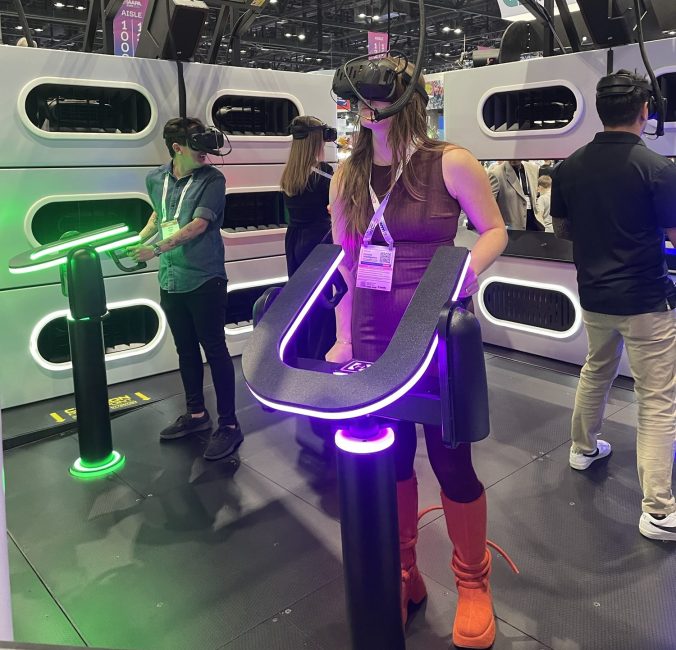
During IAAPA 2025 I was struck by the number of virtual and digital attractions on display. What also surprised me was how exceptional most of them were in creating a totally immersive experience. Also, many of these attractions were of a size that could allow them to be used by any park, family entertainment center (FEC) or even arcade. Some would require a building, some a room and some were as small as a single chair. Some were purely ride experiences where others were enhanced versions of classic sit down arcade shooters and many combined both. The Rilix Coaster VR stood out as a compelling immersive experience in a traditional arcade format. The virtual theme park probably isn’t replacing your favorite roller coaster anytime soon, but it does offer operators another option to entertain guests.
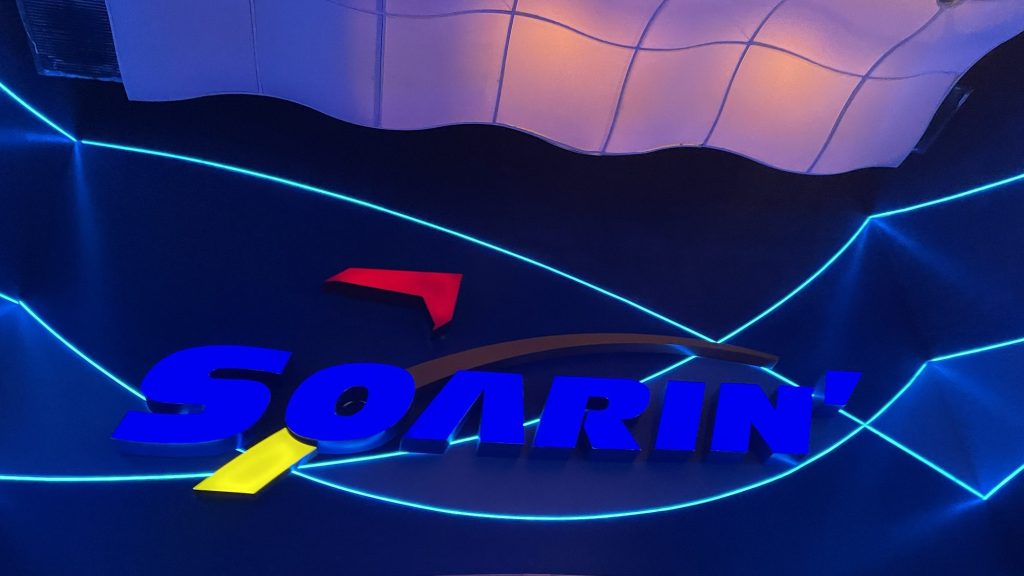
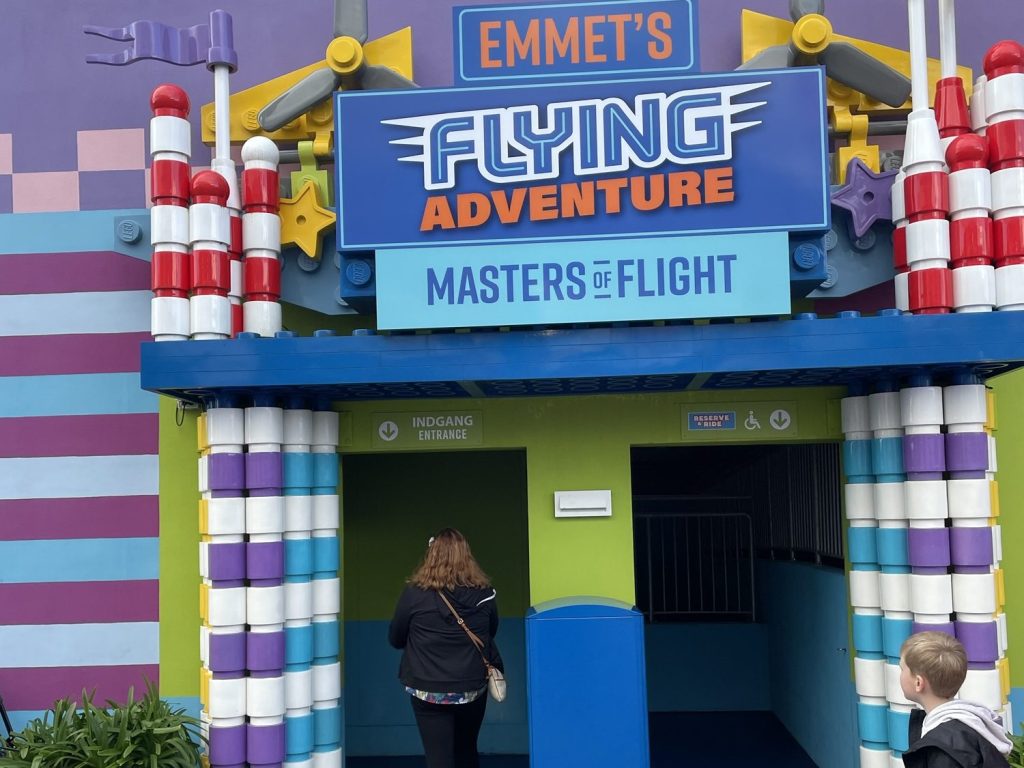
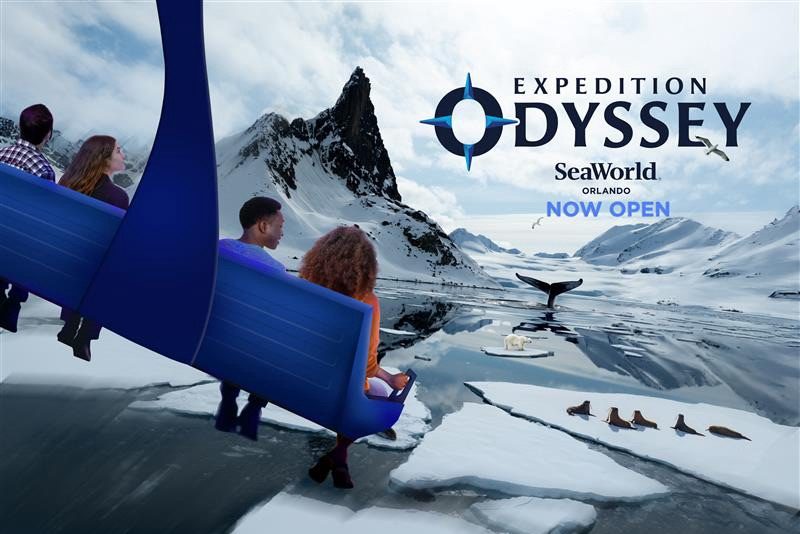
There are examples of primary virtual rides already having tremendous success such Soarin’ and Avatar Flight of Passage at Disney World. Many of these options are highly similar, but smaller versions of the “flying theater” concept pioneered by Disney. You can now find large and small versions of this attraction at places ranging from LEGOLAND to SeaWorld. The key to the success of these rides is that they are far more complex than a vibrating seat in front of a screen. These attractions use wind, water, scents and sound to create a completely immersive experience. Some early iterations often suffered from technical issues like poor syncing of the video and motion or low resolution videos that caused motion sickness in some. However, in the modern versions the motion is flawlessly synced to the screens and can trick the mind and make the rider forget they are on a simulator. They can create the illusion of speed where there is none, so fooling the mind that the riders actually feel physical sensations greater than the extent of their actual movements. They’re also almost universally indoors allowing for all year and all weather operations.
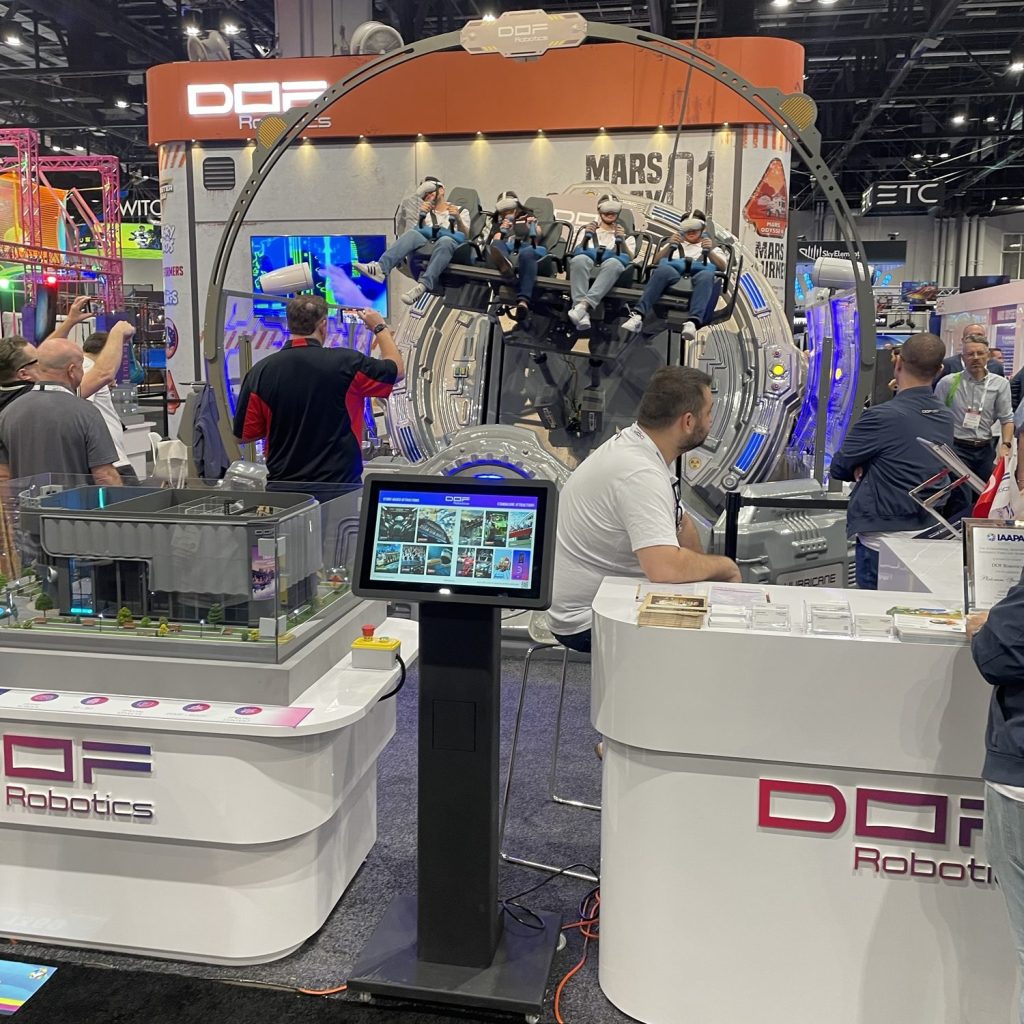
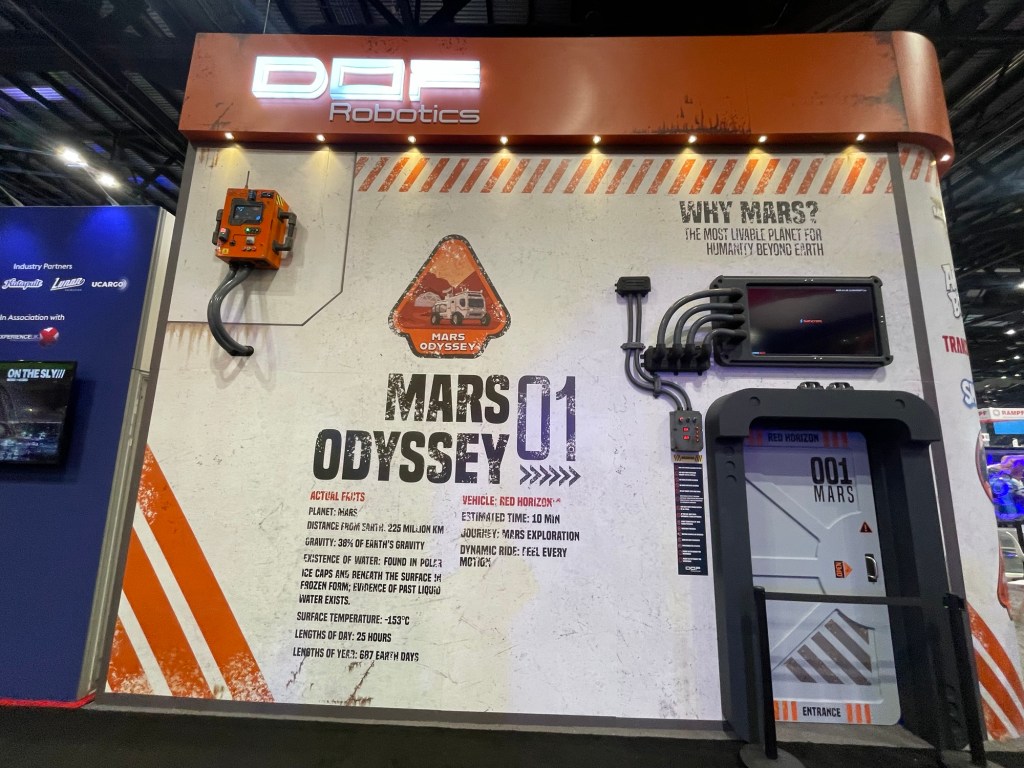
One of the largest booths at IAAPA belonged to DOF Robitics, creator of 500+ high-tech attractions in over 60 countries. These digital options include flying theaters, XD/4D cinemas, immersive tunnels, VR/AR standalone attractions as well as complete interactive parks and edutainment venues. DOF Robotics had several impressive attractions on display at IAAPA including a large immersive tunnel featuring a Mars landing and their Hurricane 360 VR experience with 7 degrees of freedom including inversions. The Hurricane 360 was setup as a high speed racing experience and the attraction’s movements created convincing sensations of speed and acceleration. The Mars immersive tunnel used screens 360 degrees around a vehicle that when combined with mild motions created similar sensations, but importantly without the need for VR headsets. These rides at IAAPA were clearly prototypes, but still impressive.
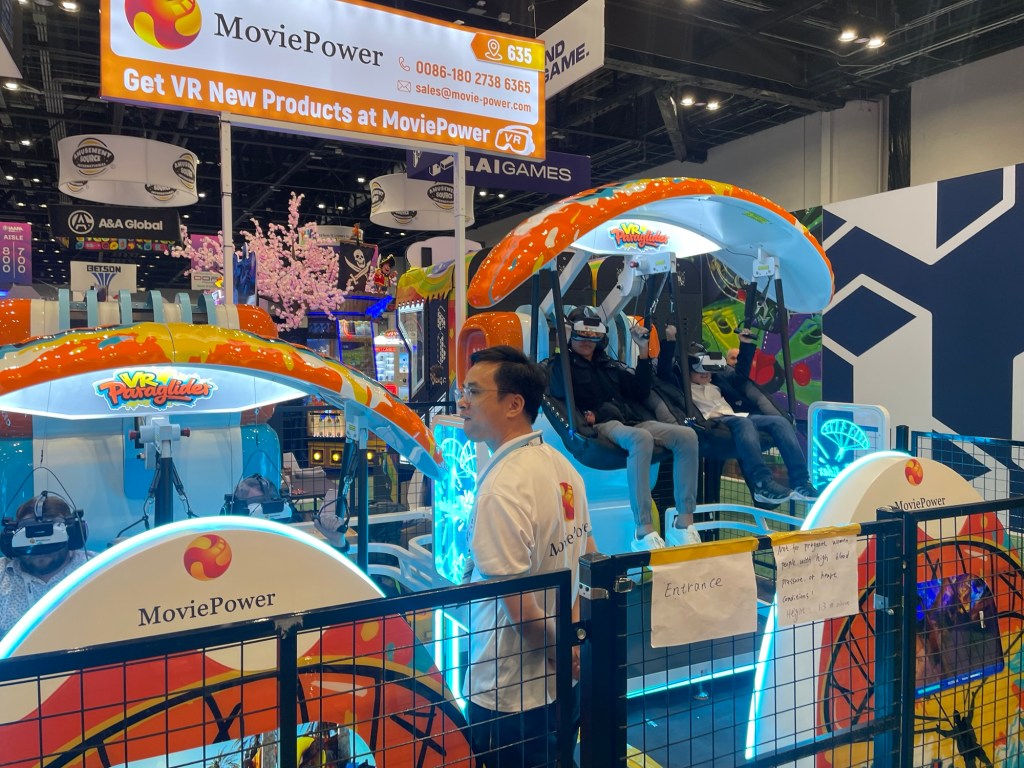
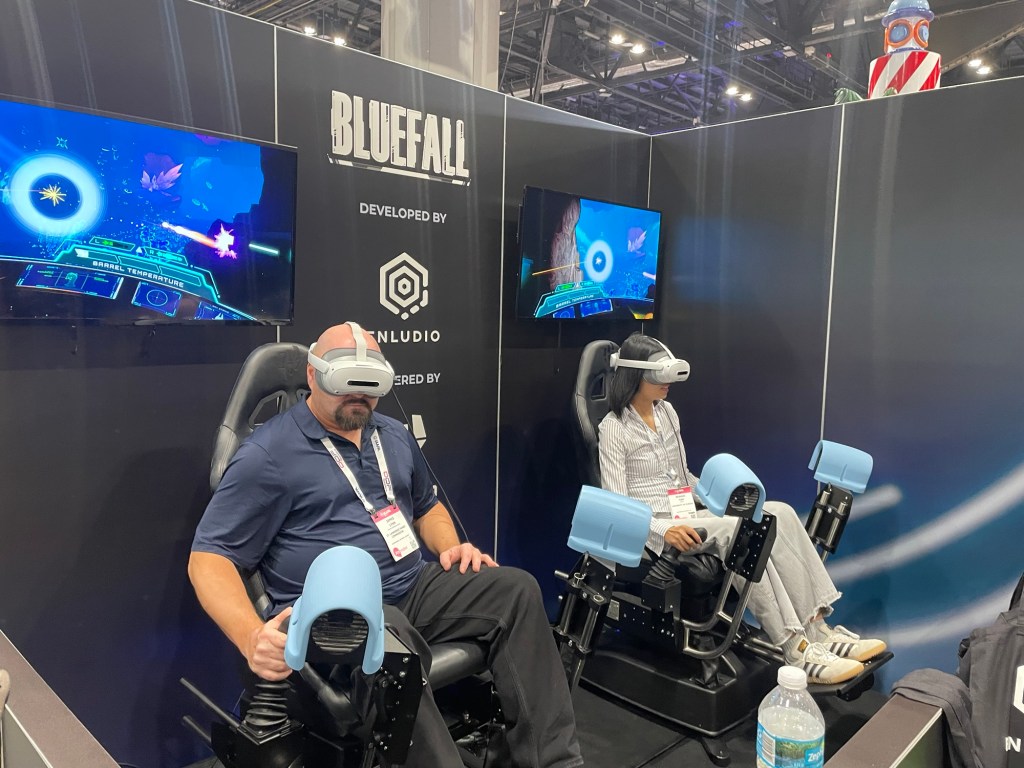
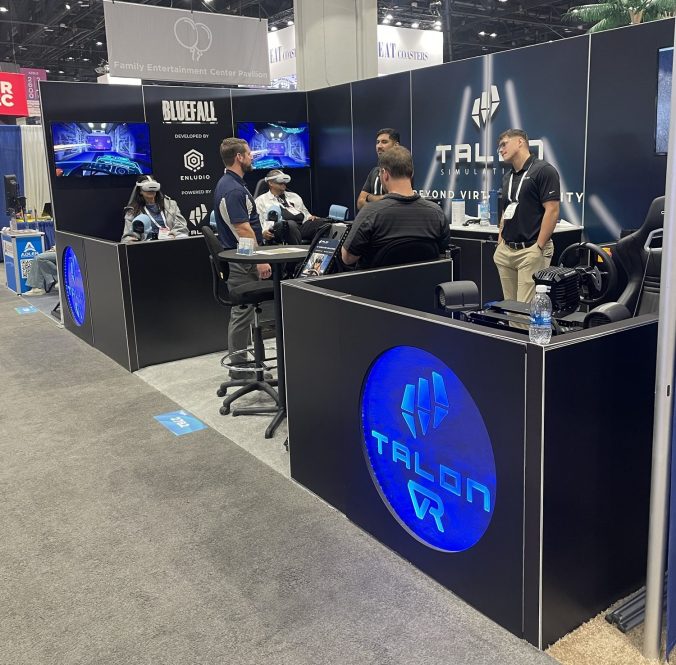
Two other interesting options were the MoviePower Paraglider Simulator and the BlueFall “game chair” by Talon Simulations. The MoviePower system had you on a magic carpet and you could feel the heat of the desert, the cool of the snow and the mist coming off the waves of the ocean. It was essentially a “ride” with top flight immersion. BlueFall is essentially a VR game, but with haptic and wind effects. In BlueFall you use your gaze to aim on an on-rail shooter set underwater and is meant to showcase the Talon Simulation technology. The simulation uses a chair setup that is quite small that you could imagine being setup anywhere, even potentially a home.
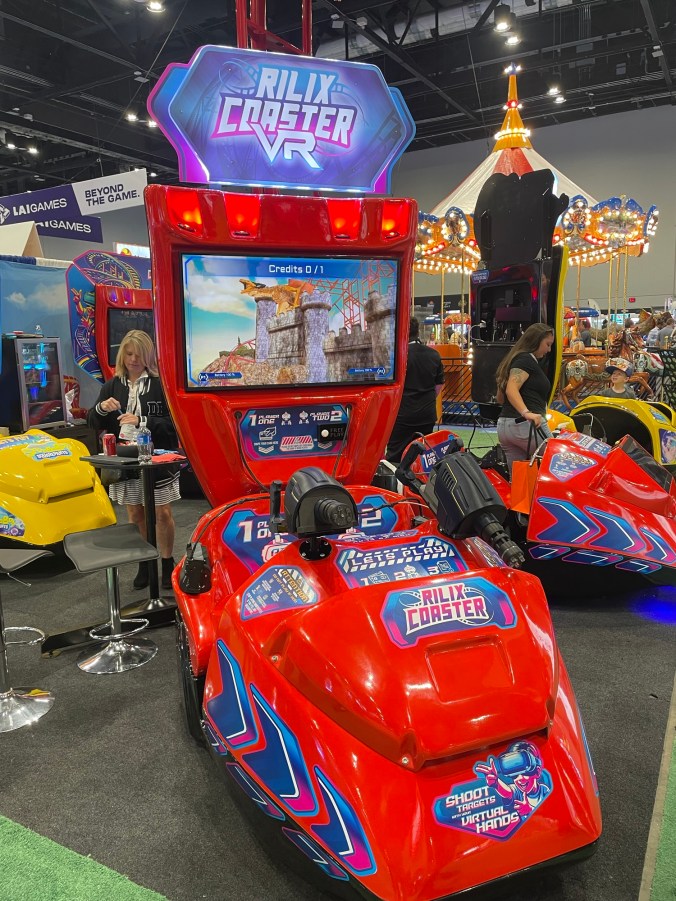
One of my personal favorites in the virtual space Rilix, maker of the Rilix Coaster VR. The Rilix Coaster is a a 4D, unattended, and coin-operated virtual reality simulator that offers 16 unique roller coaster style experiences. The heart of the Rilix system are VR goggles, but it also uses haptic transducer technology so that the seat vibrates in perfect harmony with the ride, bringing every twist, turn, and bump to life. Additionally, Rilix uses a cutting-edge wind system,featuring strategically positioned high-performance fans to generate dynamic airflow that heightens the feeling of speed and excitement. All this combines to enhance immersion and create an engaging experience. Rilix packs so much immersion into its small footprint, offering a standout attraction that compares favorably to much larger and more complex options. This potentially offers operators a great VR option and tremendous value without requiring any additional employees, large footprint or huge capital investment.
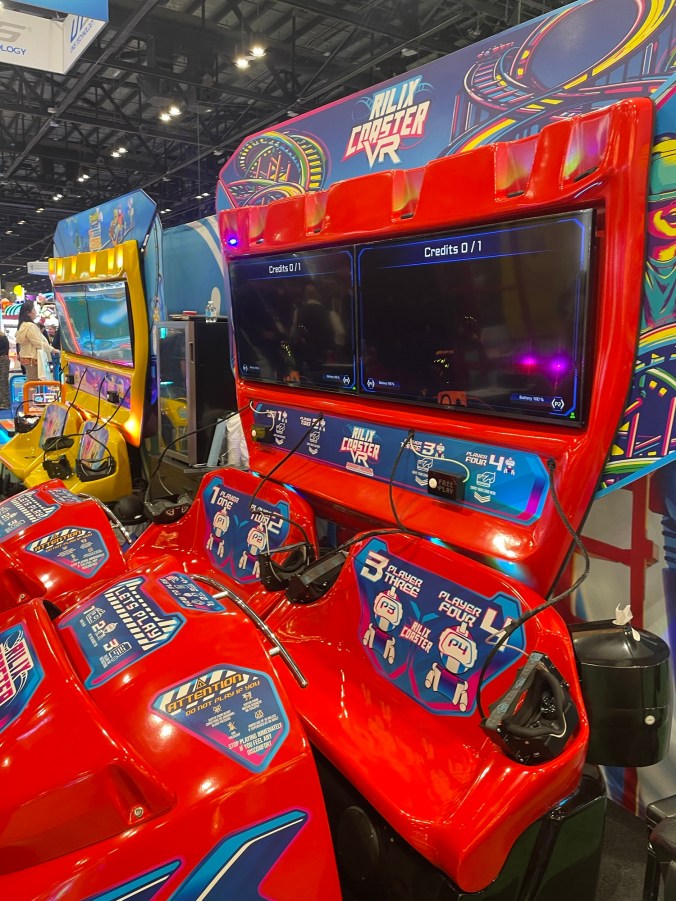
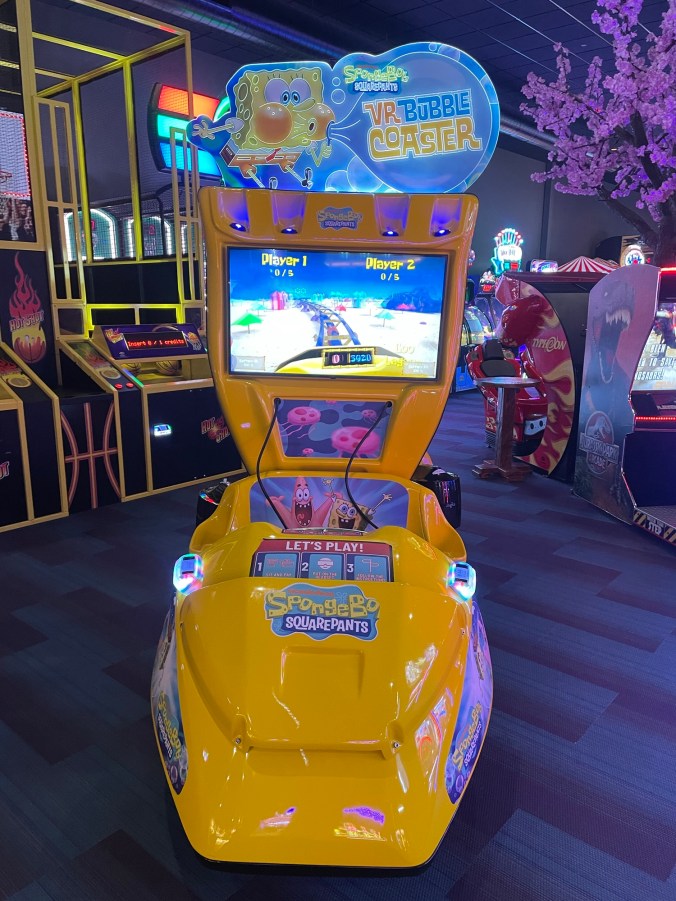
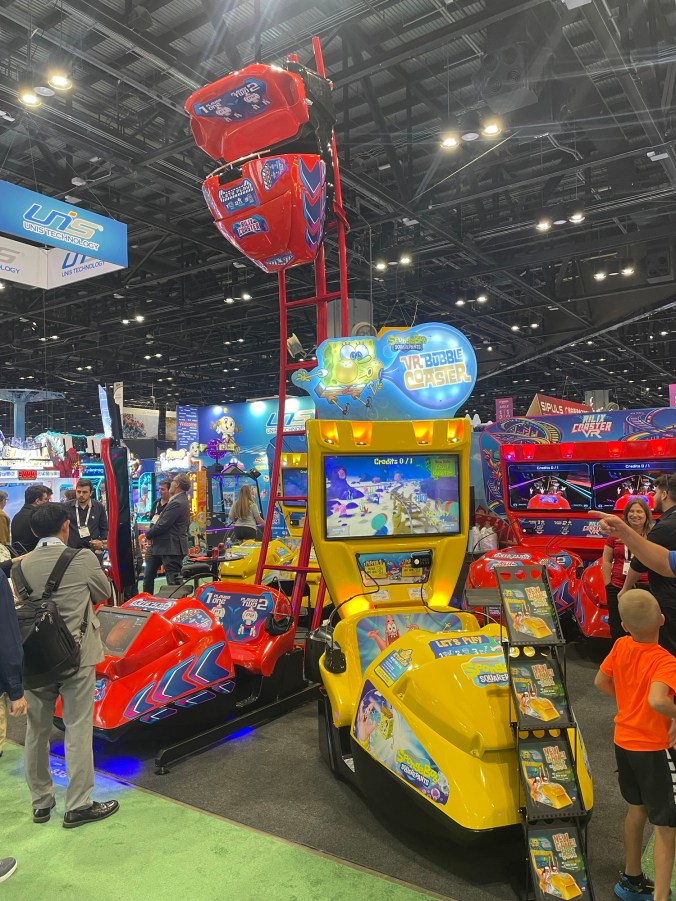
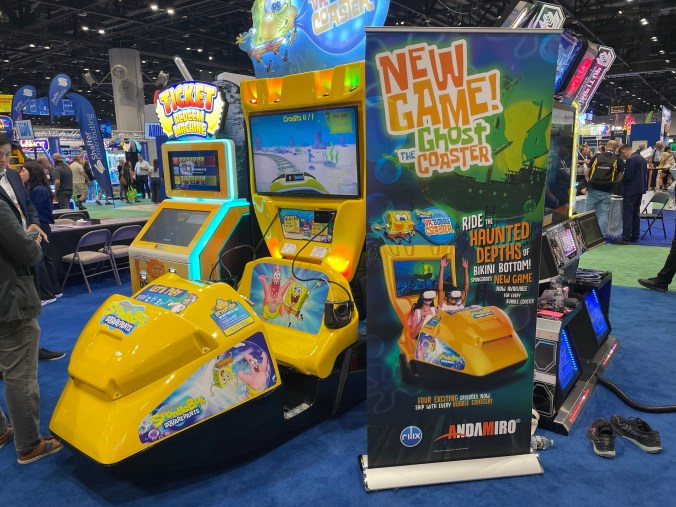
Rilix is constantly innovating its product with new features, Rilix has also added an all-new interactive shooting mode where riders can aim and fire at targets during their thrilling coaster ride. You can also dive into the vibrant world of Bikini Bottom with the SpongeBob VR Bubble Coaster. The Rilix Coaster doesn’t attempt to mimic a real life coaster experience, but instead offer fantasy coasters that include a diverse array of options including dinosaurs, pirates, robots and even the North Pole. The base platform offers near limitless opportunities for new future iterative experiences with potentially just simple software updates. Rilix could potentially even be customize an additional virtual coaster to the location or the operator themselves.
The Rilix Coaster VR stood out as a compelling immersive VR experience in a traditional arcade format.
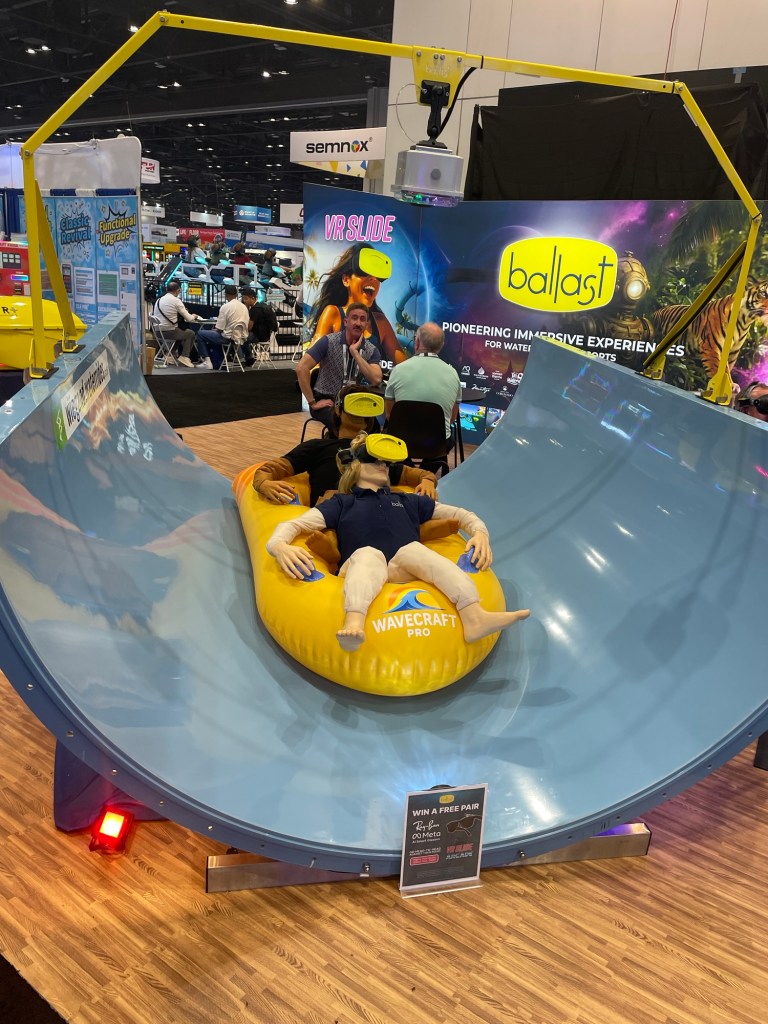
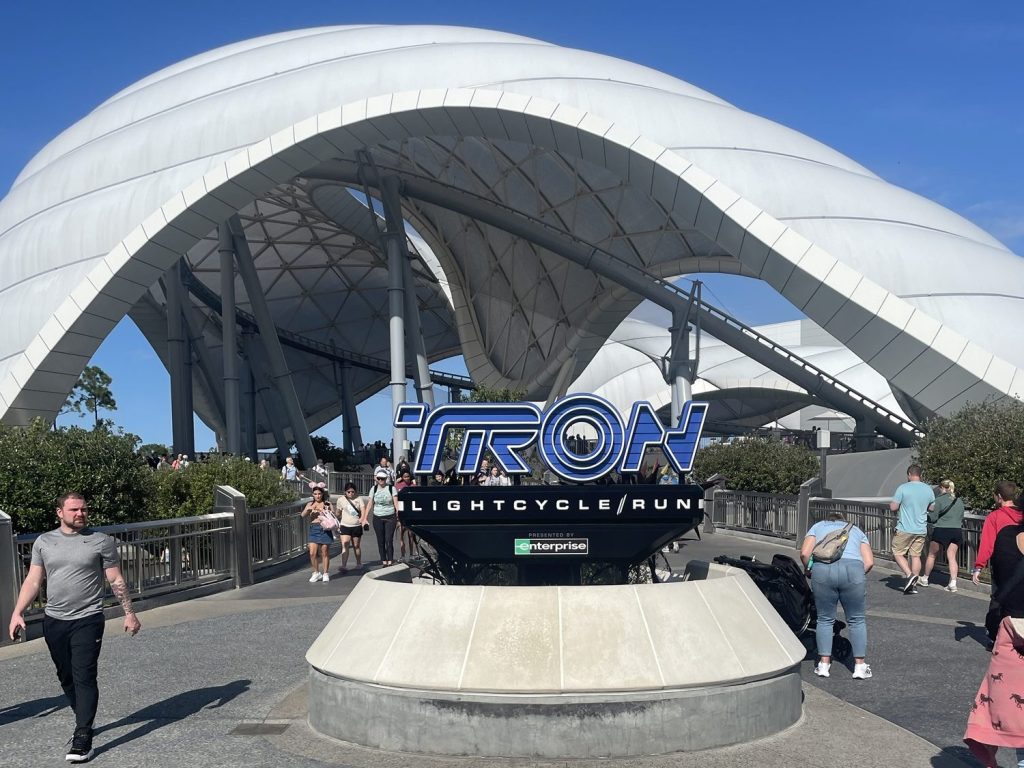
Of course not everything in the virtual space is a good idea and many will not be successful. At IAAPA one company was offering VR goggles that riders worn on water slides which seemed potentially problematic for many reasons. This appeared to be similar to the largely failed trend of wearing VR goggles on a roller coaster. Although many of these specific technologies may not stand the test of time, they may be an iterative step towards another new great technology as these were precursors to the AR technology used on Mario Kart: Bowser’s Challenge. In its early days Universal was often criticized for being too reliant on screens, but has since won widespread praise for rides like Harry Potter and the Battle at the Ministry, Monsters Unchained: The Frankenstein Experiment and Mario Kart: Bowser’s Challenge that blend the virtual and the practical. Disney has been on a similar trend with Star Wars: Rise of the Resistance, Guardians of the Galaxy: Cosmic Rewind and Tron Lightcycle Power Run. The best attractions of the future will probably continue to blend the virtual with the mechanical.
It will be interesting to see what IAAPA 2026 brings. I expect to see even more virtual options with most of them being a product for arcades and family entertainment centers. There will be some big versions that will end up in theme parks similar to Soarin’ or Avatar Flight of Passage too. Many rides will also blend aspects of the virtual with the practical like Mario Kart: Bowser’s Challenge. In the end technology is best employed when it is a tool for storytelling rather than the story itself. Guests want to be transported and immersed in another world or experience exhilaration of the senses. The method used by attraction designers is almost inconsequential as long as they deliver a quality experience.

