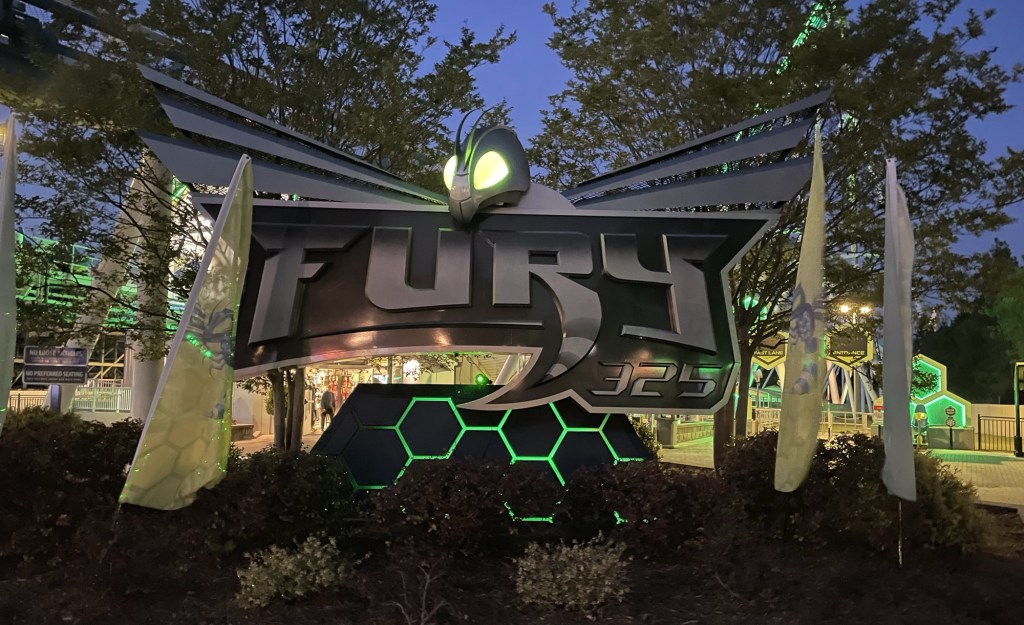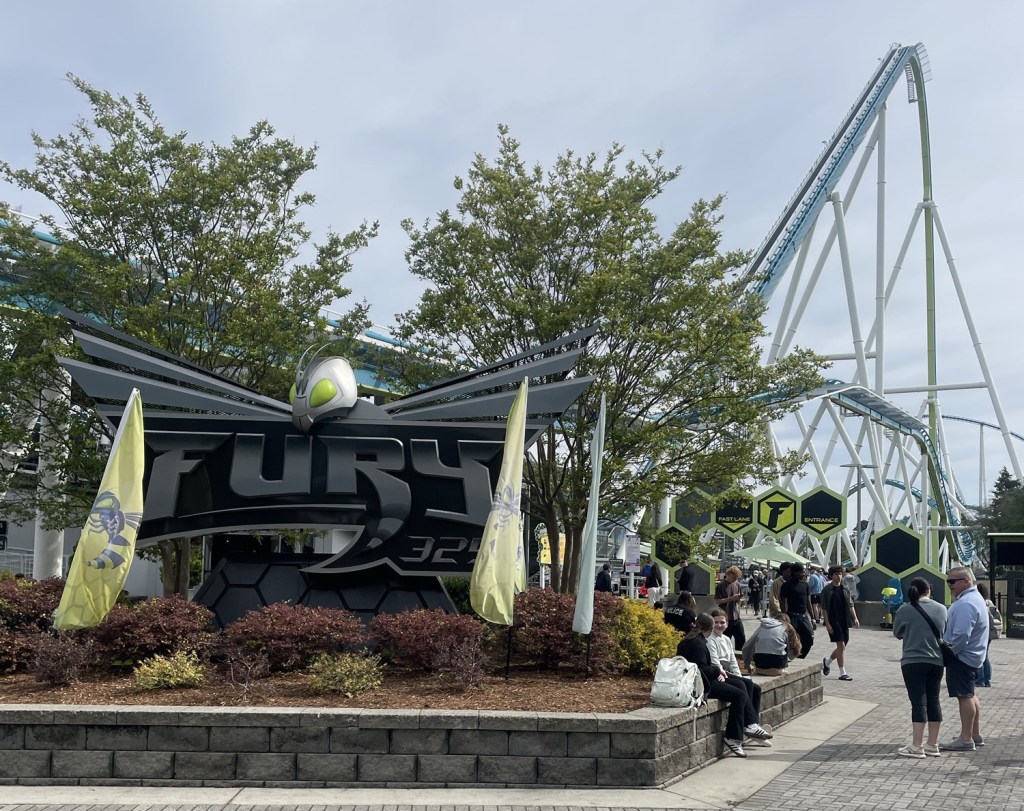
In a traditional roller coaster the lift hill is the source of energy to power the train throughout the course. This is essentially the conversion of potential energy into kinetic energy. The lift hill builds anticipation for the ride to come and is also vital to making the more often written about aspects of a roller coaster possible. This article will be part trigonometry and part physics to help describe this overlooked part of one of the world’s best roller coasters.
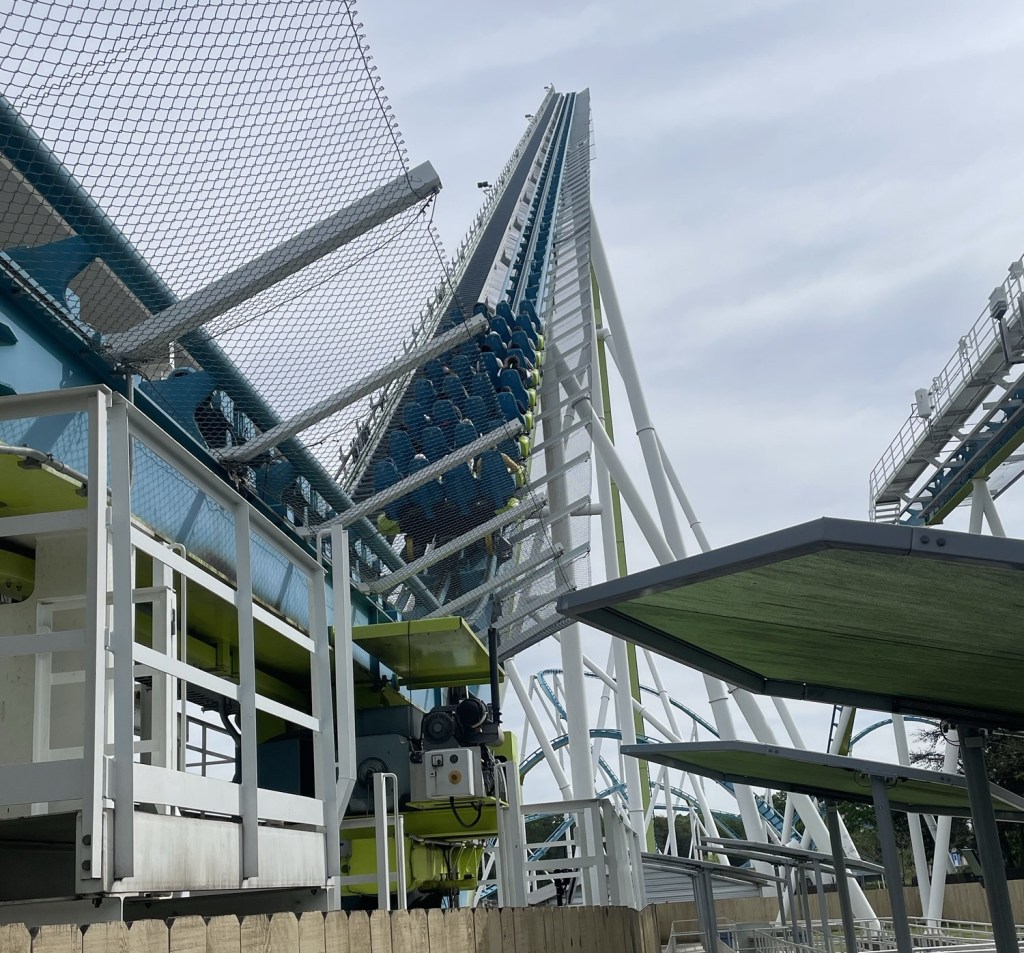
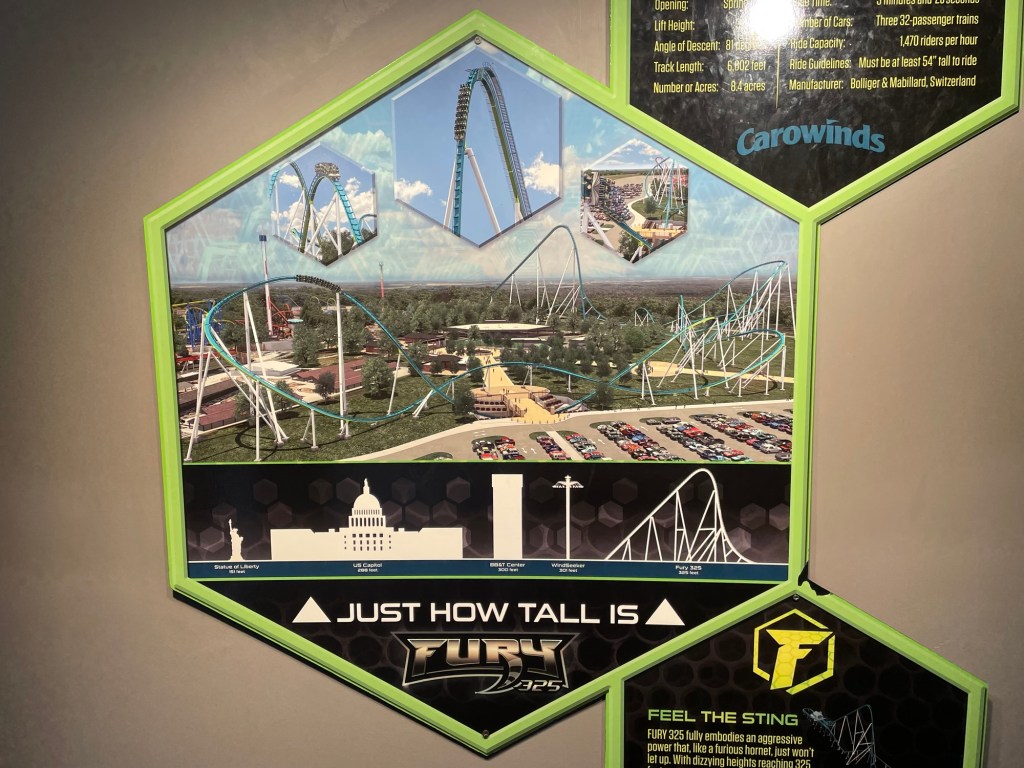
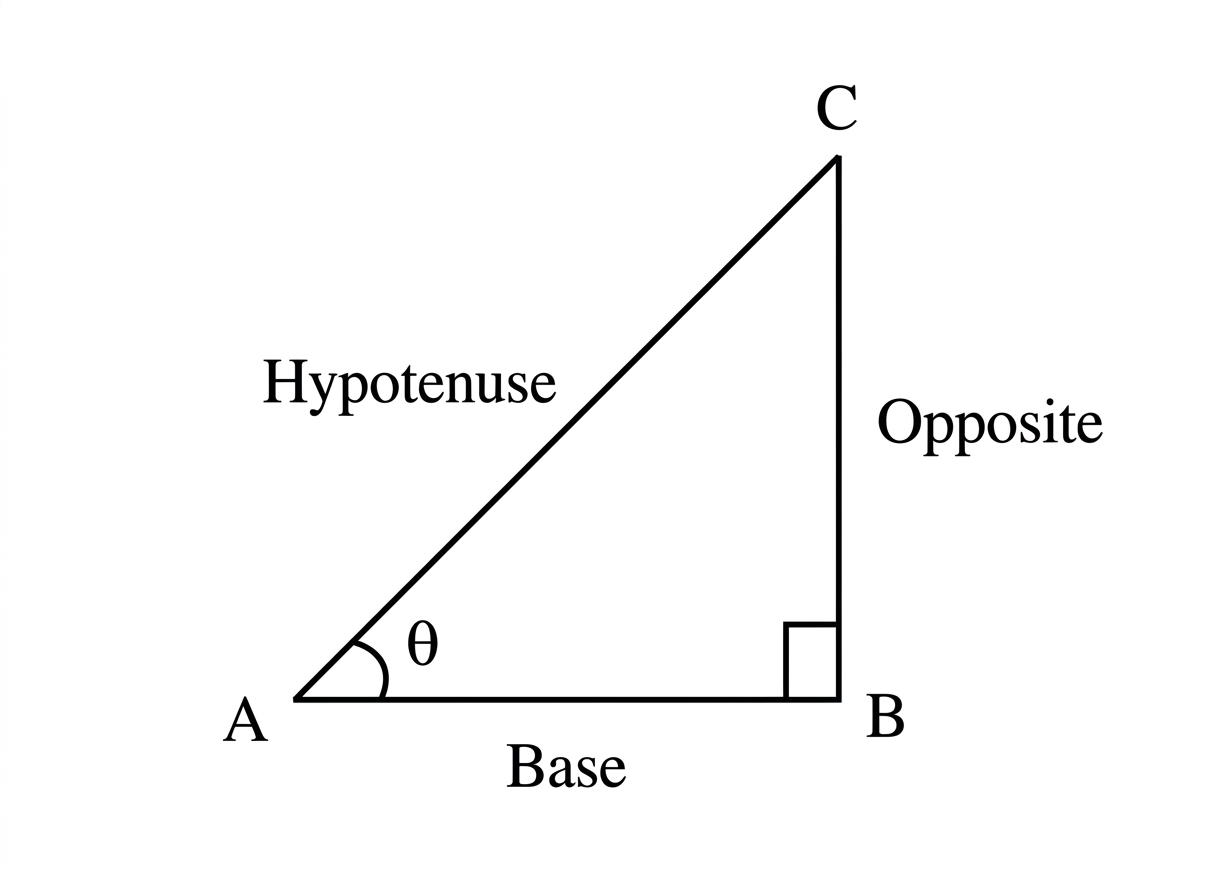
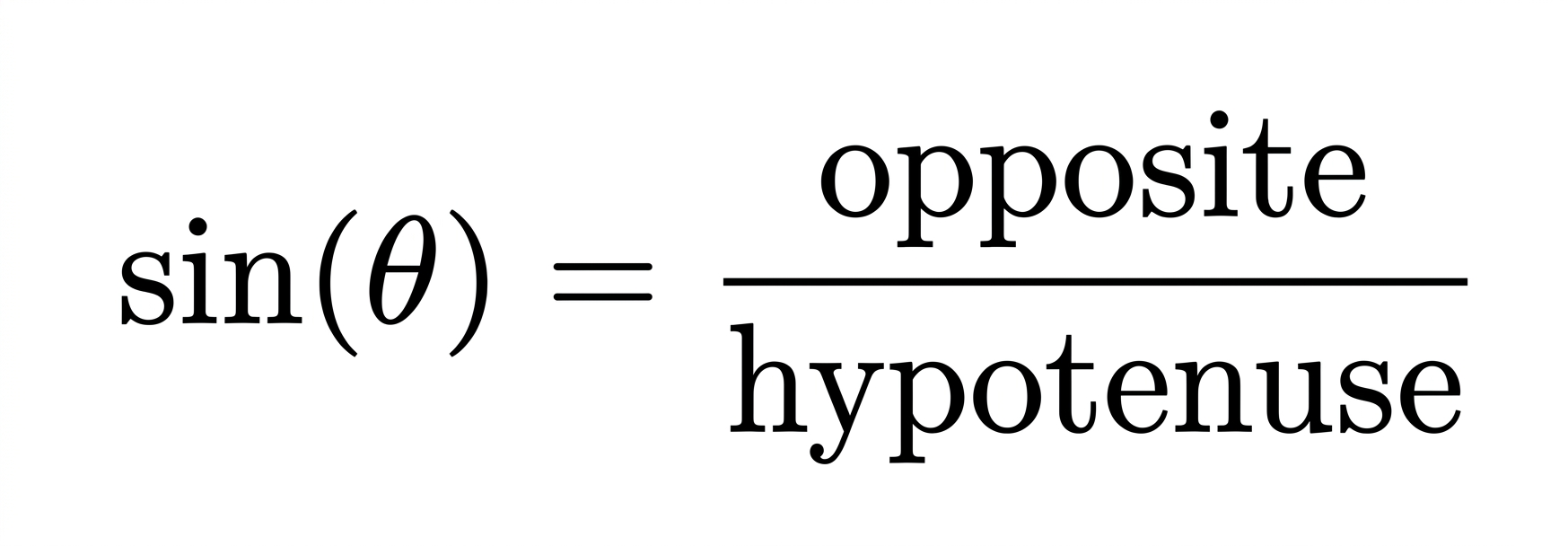
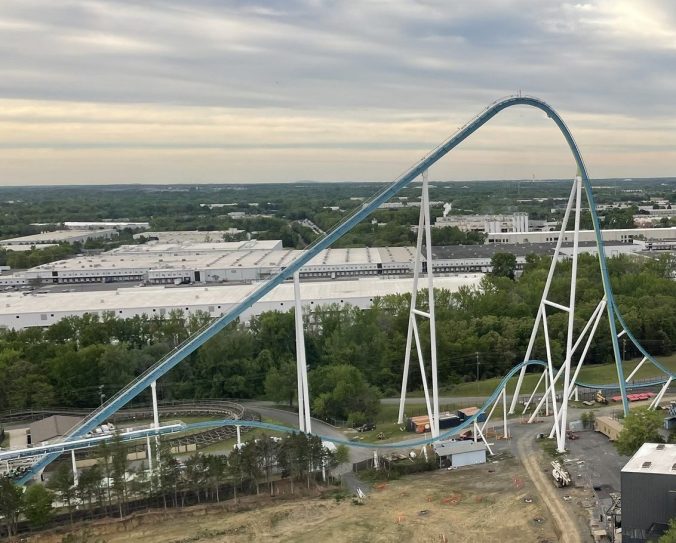
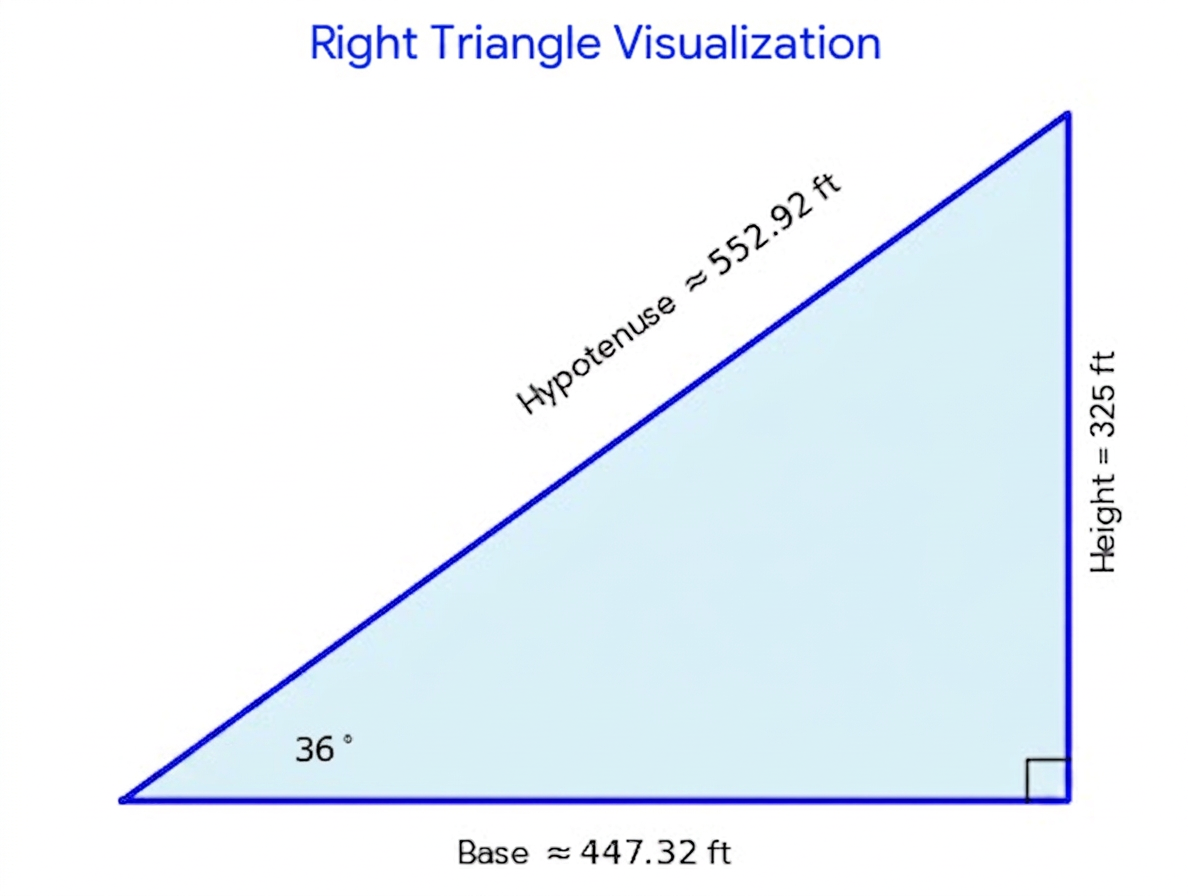
The hill of Fury 325 is famously 325 feet tall, but the lift hill is actually much longer. To figure out the length of the lift hill we can use some simple geometry. If we simplify and assume the lift hill is the shape of a right triangle then we just need the height (325 feet) and the angle to determine length. There is some debate online about the angle of Fury 325’s lift hill, but the most reported number is around 36 degrees. To find the hypotenuse when you have one angle and the length of the side opposite that angle (the height), you use the sine function from trigonometry:
Rearranging for the hypotenuse:
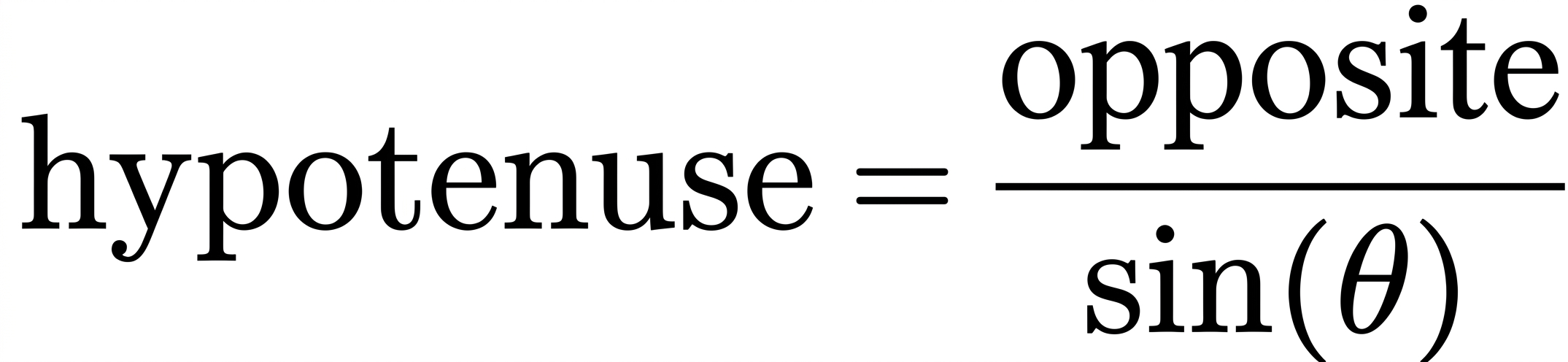
Plugging in our values:

So we have a lift hill that is approximately 550 feet long, but the chain actually is double that length as it must go up and down. That makes the chain 1100 feet long, just under a quarter of a mile!
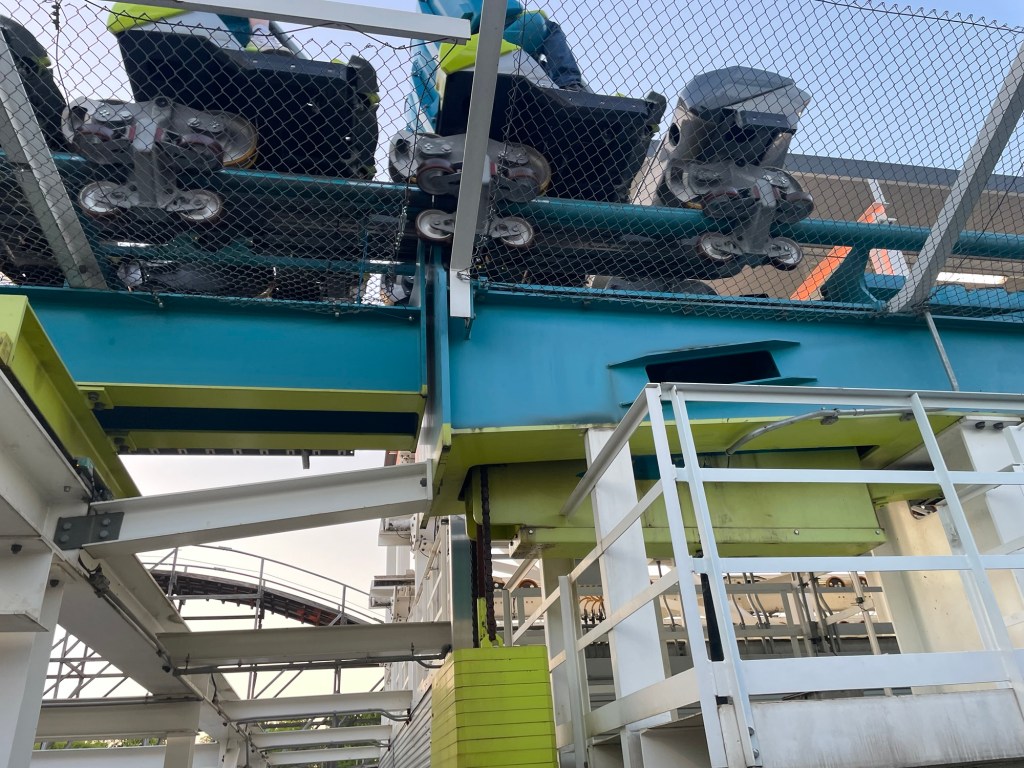
Steel has the capability to expand and contract. A steel chain is rigid and does not normally stretch elastically like a rubber band, however links can undergo slight, temporary elastic deformation under heavy load. A fully loaded Fury 325 train is estimated to weigh almost 30 tons (60,000 pounds)! Steel can also expand based upon temperature at a rate of 0.0000072 inches per inch per degree Fahrenheit. This means Fury 325’s chain can grow ~0.1 inches per degree. So if you take the difference between a 40 degree fall night and a 100 degree summer afternoon the chain could grow 6 inches! In order to accommodate the chain stretching due to temperature as well as due to the weight of the train car on the hill the ride uses a series of counter weights to pull the chain tight. As the train enters the hill you see the weights drop down and pull the chain tighter. You’d also see these weights change height with temperature. In speaking with the super knowledgeable Ryan the Ride Mechanic, the weights are pulling on the entire chain assembly since it’s driven from the bottom by a gear wheel.
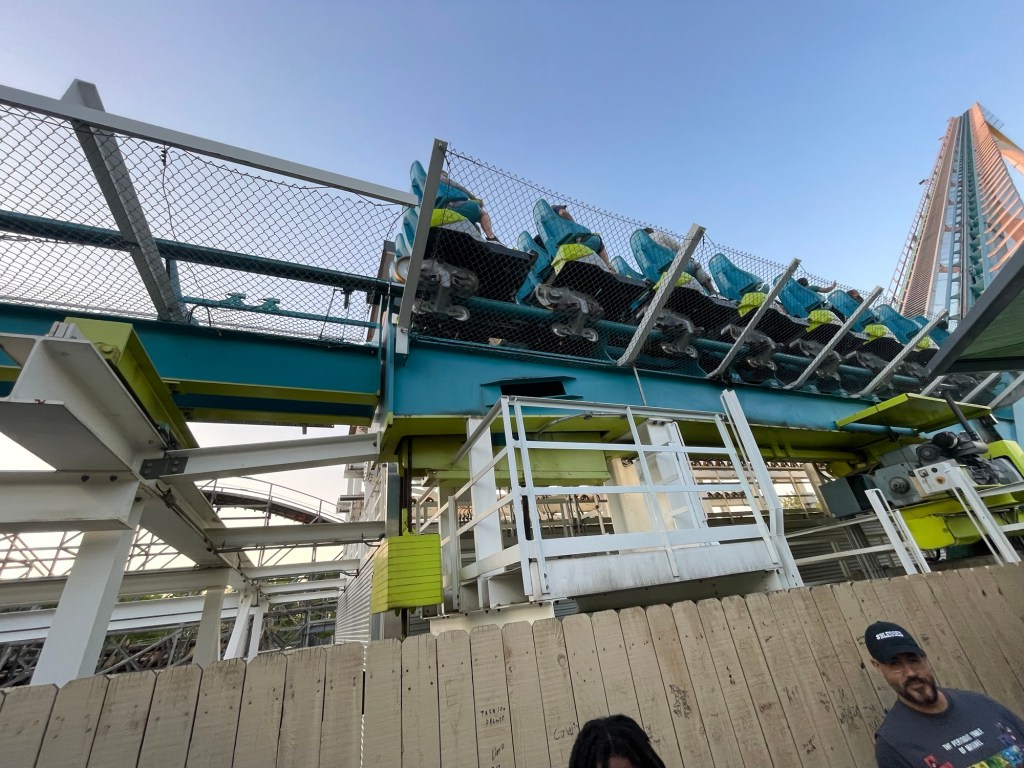
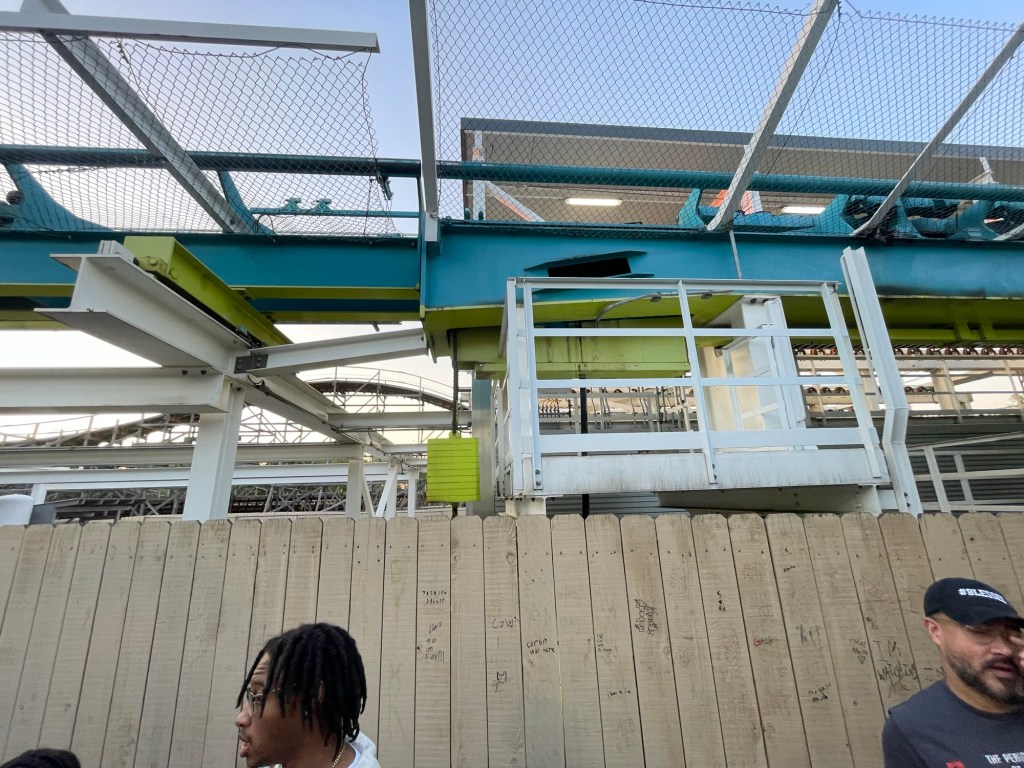
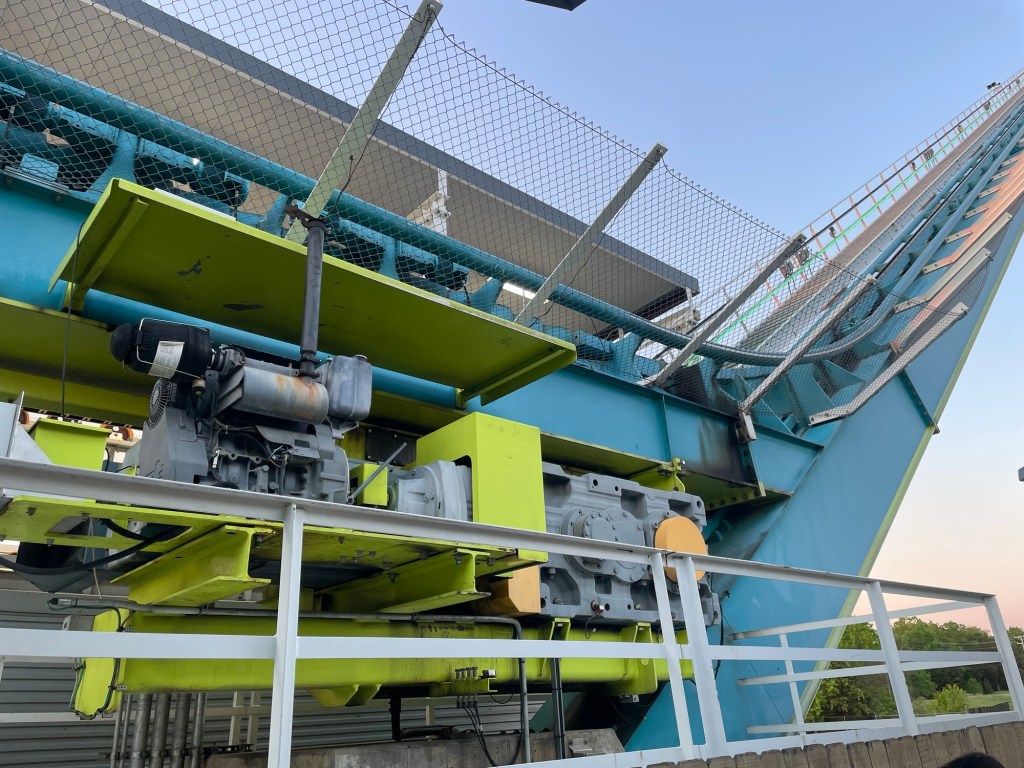
The motor to drive the train to the top of the hill is quite massive. It propels the 30 ton train up the hill at a reported 13 miles/hour. All the energy to power the coaster is put in by this motor in around 45 seconds. There were not specs visible nor reported online, but this motor is massive and loud when you’re standing in queue for Fury 325. It is also a dynamic motor meaning the speed changes, starting off slow and then accelerating.
Once you crest the 325 foot hill the only thing left to propel you forward is gravity. The lift hill has done its work and the potential energy will now be converted to kinetic energy at speeds of 95 miles/hour over more than one mile of track. You probably aren’t riding Fury 325 for the lift hill, but more than providing great views it also provides the energy required to make one of the world’s best roller coasters work.