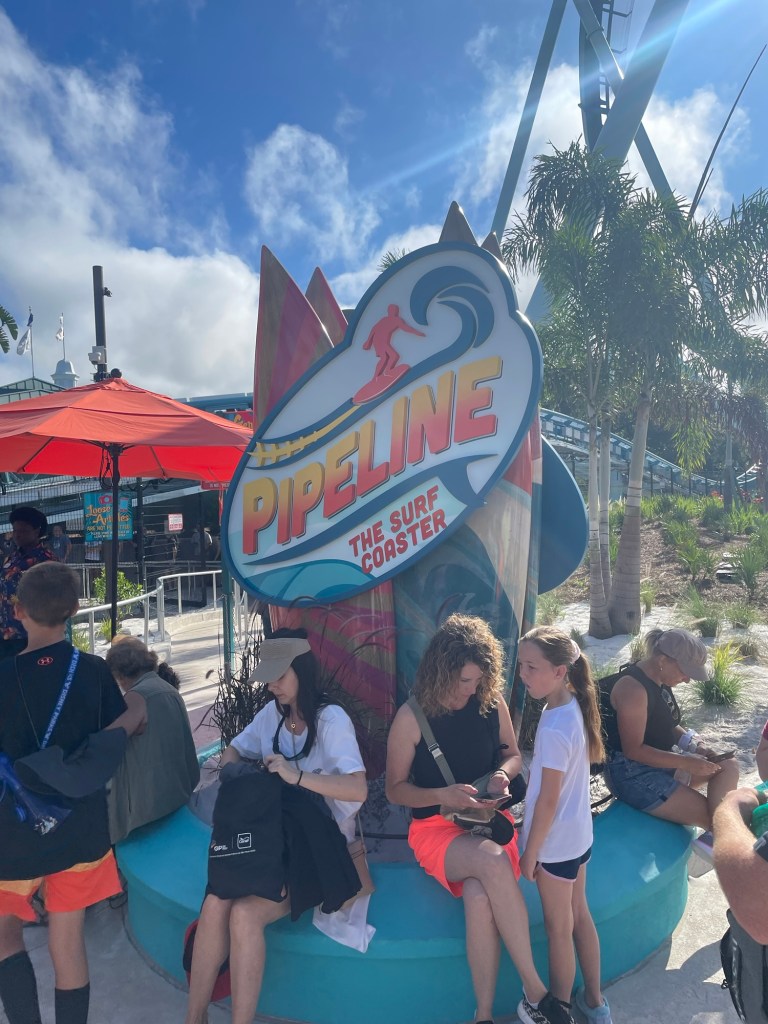
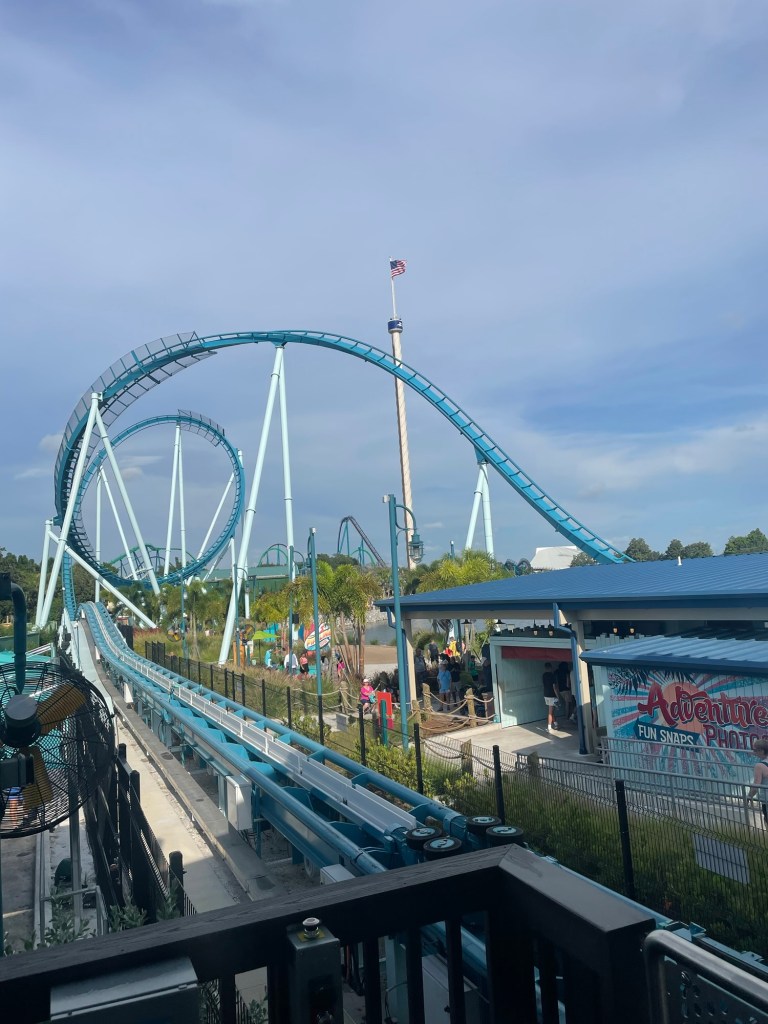
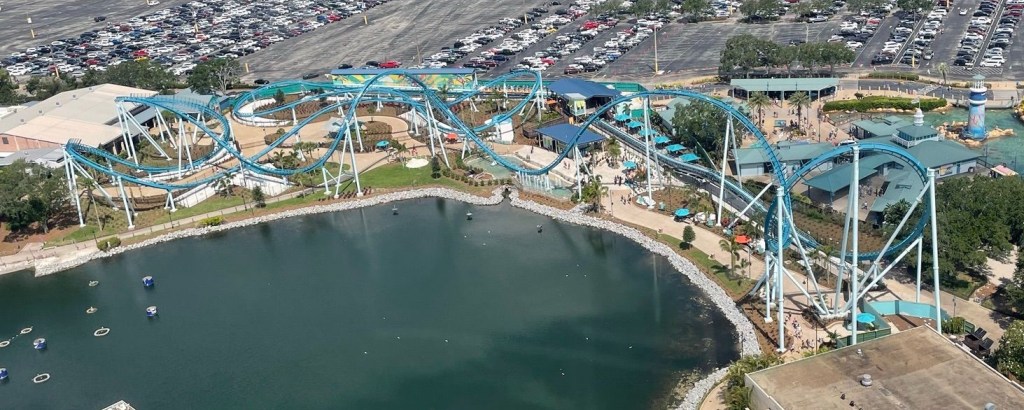
SeaWorld Orlando built Pipeline, the world’s first “surf coaster” by B&M (Bolloger & Mabillard) in 2023. It was a prototype that was meant to be an improvement on the old stand-up coasters. It could also potentially provide B&M another genre of coasters to sell along with it’s wing, hyper, Giga, dive and other models. Pipeline got rather solid reviews from the public, but another surf coaster has yet to be built. However, it turns out there was a good reason why, but that may now be about to change. In 2024 Vekoma filed suit against B&M claiming the “surf coaster” design violated their patent US7987793B2. However, several months ago according to PatSnap a judge dismissed this case with prejudice (meaning Vekoma cannot sue again) and thus B&M is now clear to sell its design to other parks without fear of subsequent patent infringement lawsuits. This could potentially open the door for more surf coasters in 2027 and beyond.
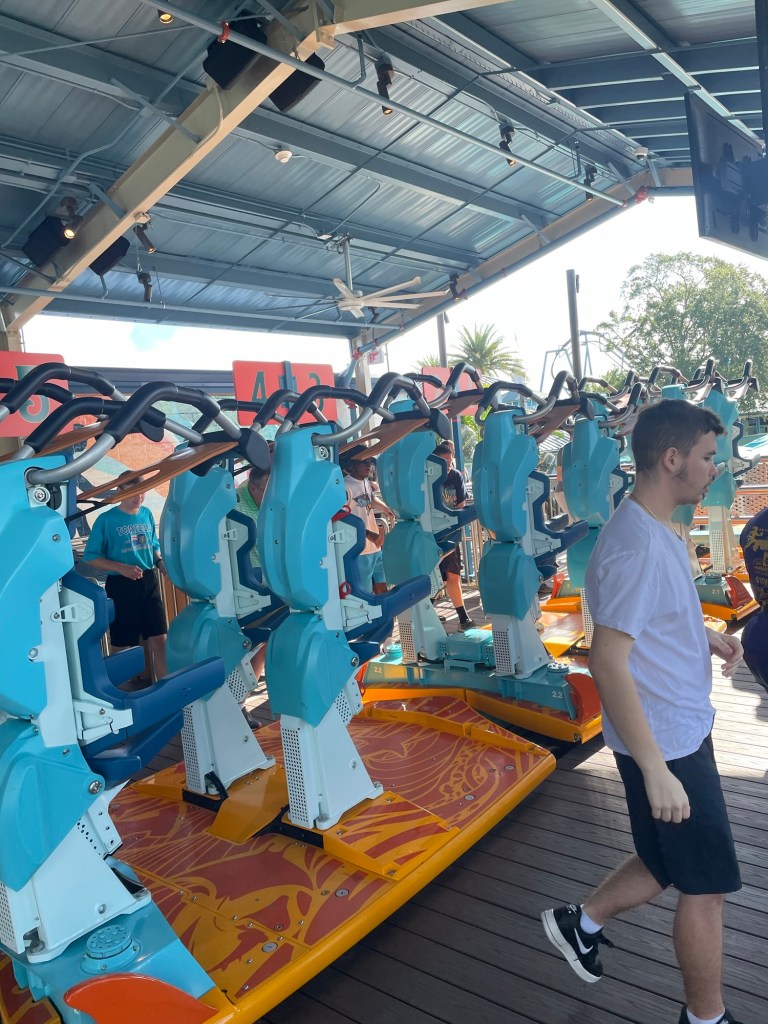
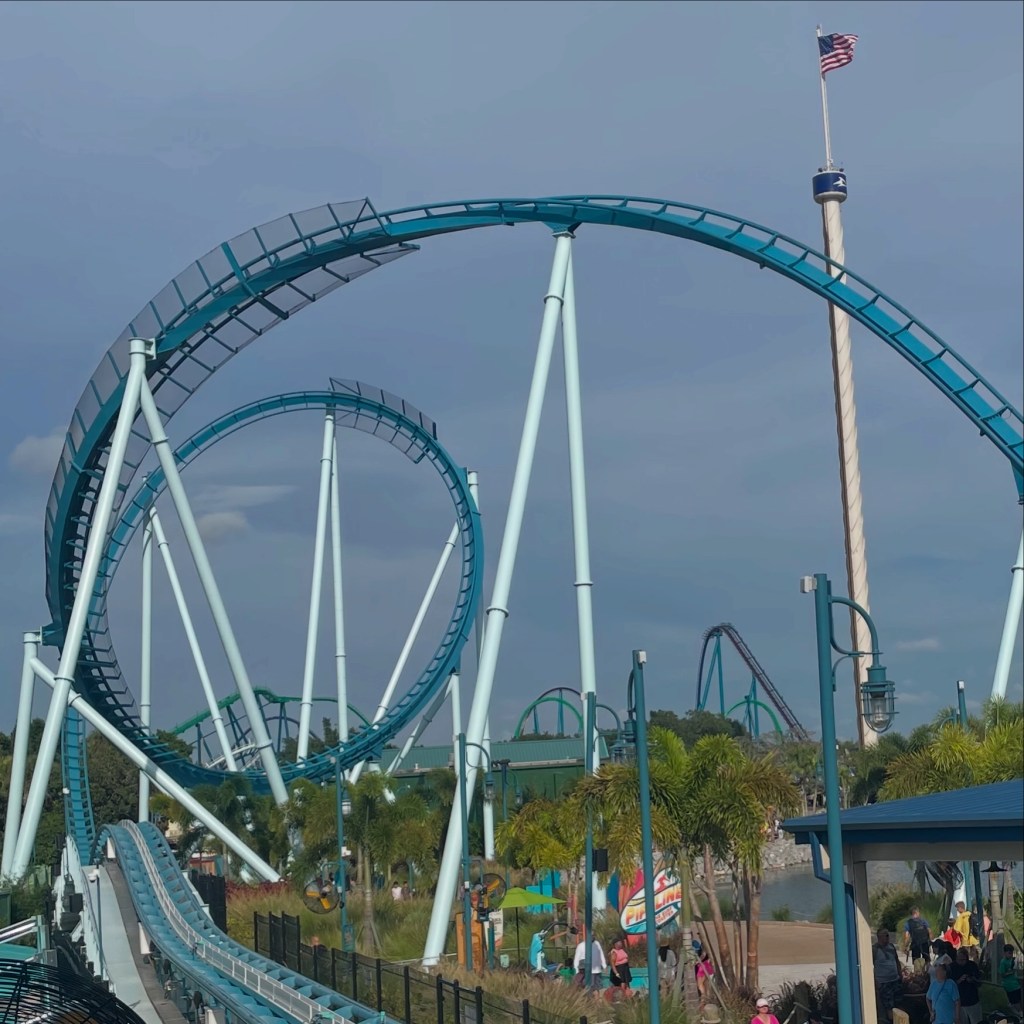
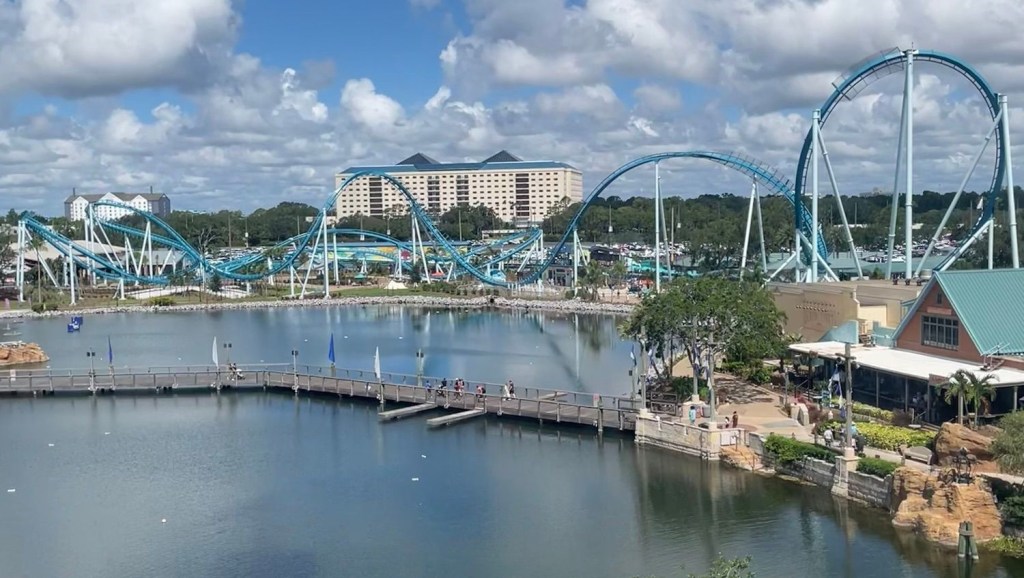
The surf coaster provides a unique type of airtime where you rise up and your feet sometimes leave the floor below you which was at the heart of the lawsuit. The Vekoma patent mentions a restraint structure that can “be vertical to allow an up and down movement of the passenger in the torso restraint with respect to the platform”. It mentions elsewhere that this can provide “a short bursting vertical movement. Surfers experience the same when they pick up their wave.” Although it sounds similar to Pipeline, as someone who works with patents I can tell you it’s not the broad concepts, but the details that matter in patents. Many things in a classification can be quite similar to each other without infringing. I can look at the pictures from the patent and see some similarities, but I also spot some key differences as well. It’s also probably not possible to patent “airtime”, but only highly unique aspects of restraints. Many coasters use similar restraint concepts, but it are the subtle differences that make enthusiasts prefer one type over another.
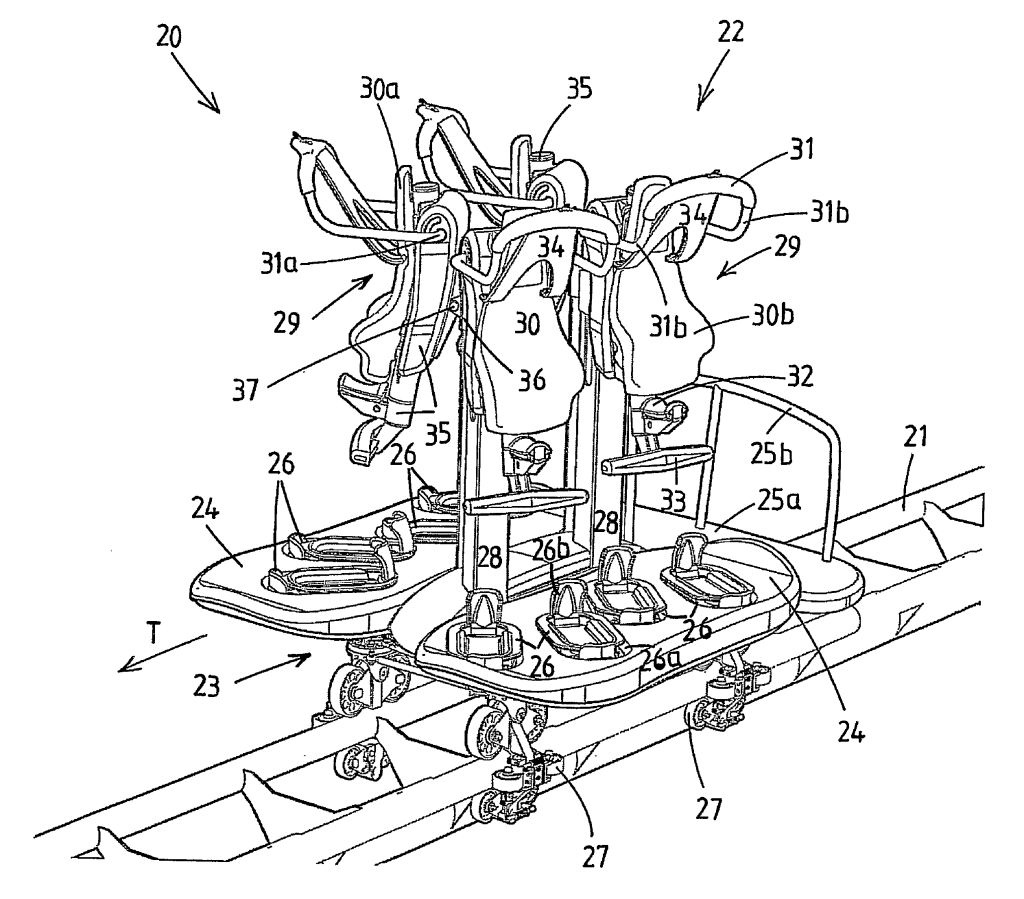
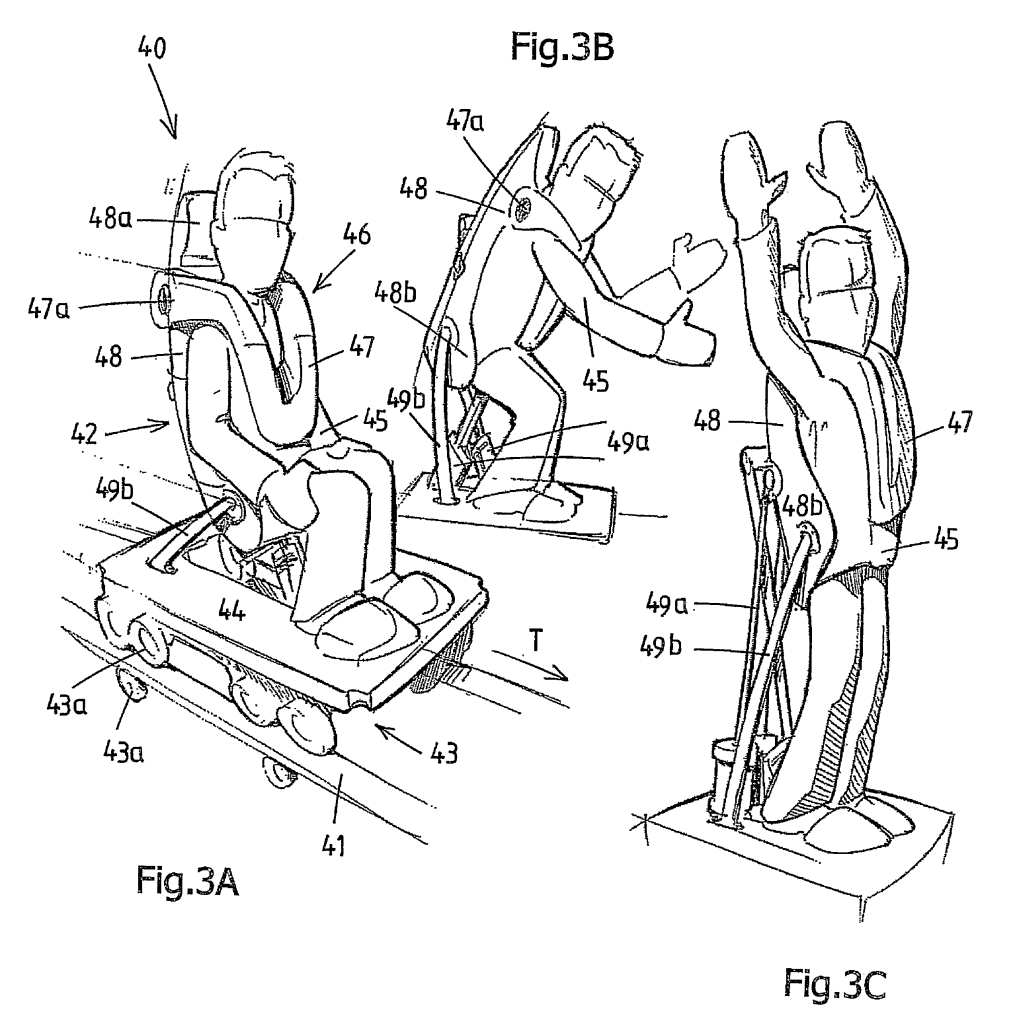
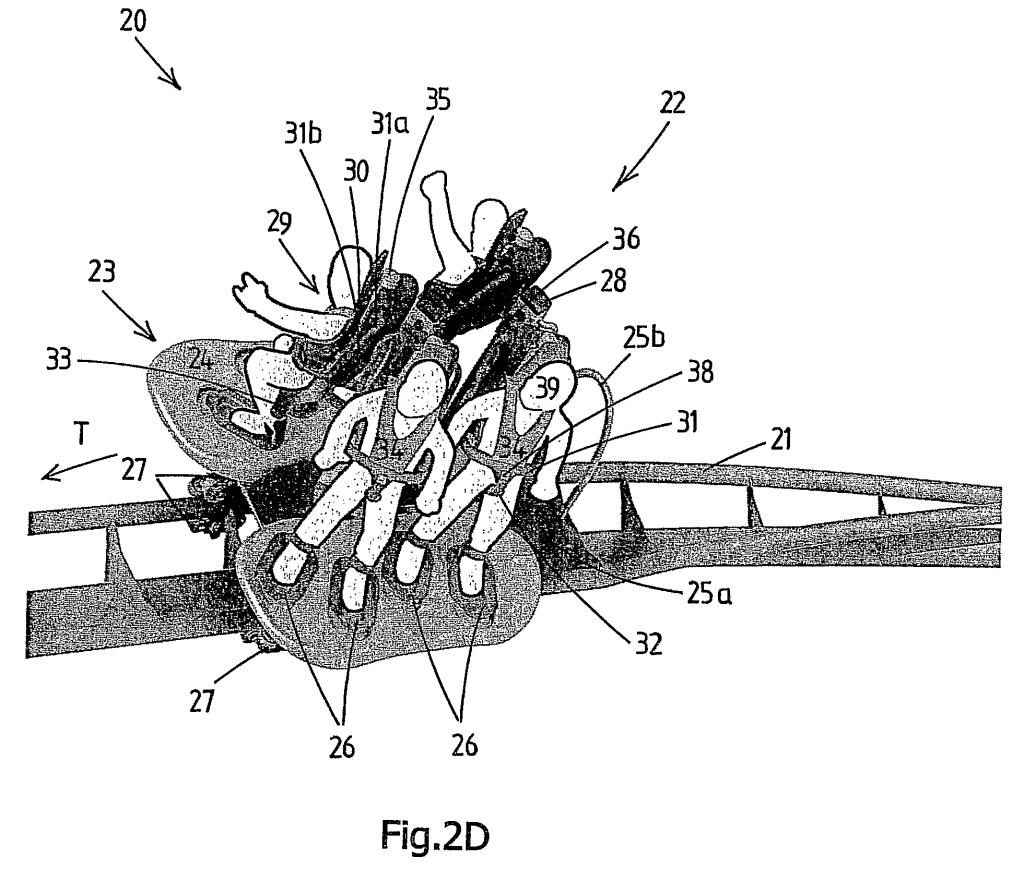
So was it merely the lawsuit preventing more surf coasters or something else? I guess time will tell, but I’m betting it was a huge part of it. In patent world there’s something called “indemnification” where where one party agrees to pay for the financial losses, damages, or legal costs of another party. I’d imagine any theme park considering a “surf coaster” was at the very least looking for B&M to indemnify them from potential infringement suits from B&M (in patent lawsuits both the manufacturer and the end user can potentially be sued). Parks probably had concerns beyond money in that a prevailing party in a patent suit can ask an infringing party to immediately cease infringement (in this case shut down the ride) in addition to requesting monetary damages. I’m guessing Vekoma would not want to sue theme parks over a ride patent, but wouldn’t and can’t are two different things in the legal world. I personally really enjoyed Pipeline and would love to see this concept move beyond the already great prototype at Sea World Orlando into even more robust layouts, theming, heights, speed and types of inversions. Surf’s up!