While wooden roller coasters generally cost less to build, they generally require more maintenance compared to steel coasters. A park generally wants to keep a wooden ride in good condition so to avoid customer complaints of the ride becoming uncomfortably rough and potentially even unsafe. A major wood coaster is going to be $5-$10 million while a major steel coaster is probably going to be between $10 – $25 million. However, with wooden roller coasters the maintenance is greater with reports of some requiring $500,000 annually and costly rebuilds of well over $1 million. So it’s the classic case of lower capital cost with higher operating cost with wooden coasters versus the inverse with steel coasters. For places like Dollywood, maintaining Lightning Rod and Thunderhead is just a part of doing business, but for places like Alabama’s Adventure, large annual maintenance costs on their wooden coaster Rampage are a tension they’re actively grappling with today.
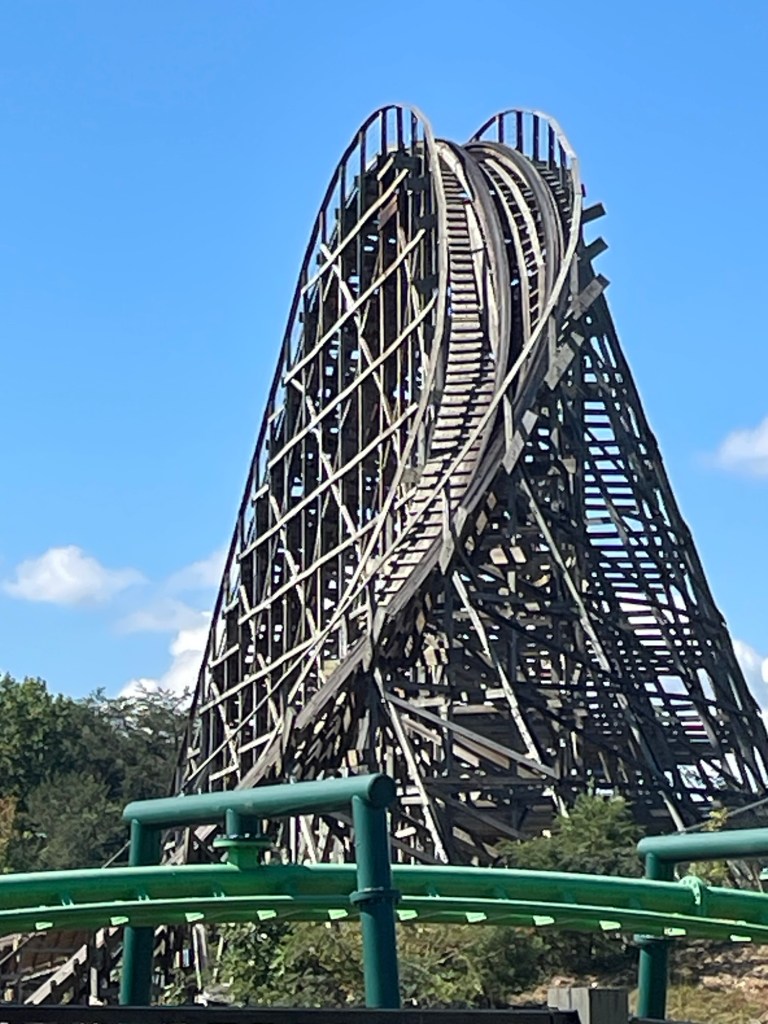
Statistics on coaster costs are sometimes difficult to find, but some have been made public. For example, ArieForce One by RMC at Fun Spot Atlanta cost $13 million for the coaster itself and $18 million for the total project. Meanwhile, the wooden roller coaster The Voyage at Holiday World (with nearly double the length of track) cost $6.5 million for the coaster itself and $9.5 million for the project. These projects were built 17 years apart, but even adjusted for inflation that $6.5 million for Voyage in 2006 adjusts to only $8.25 million in 2023 (AFO’s opening year). I use these two coasters as an example as they are both highly regarded by enthusiasts as being great iconic rides.
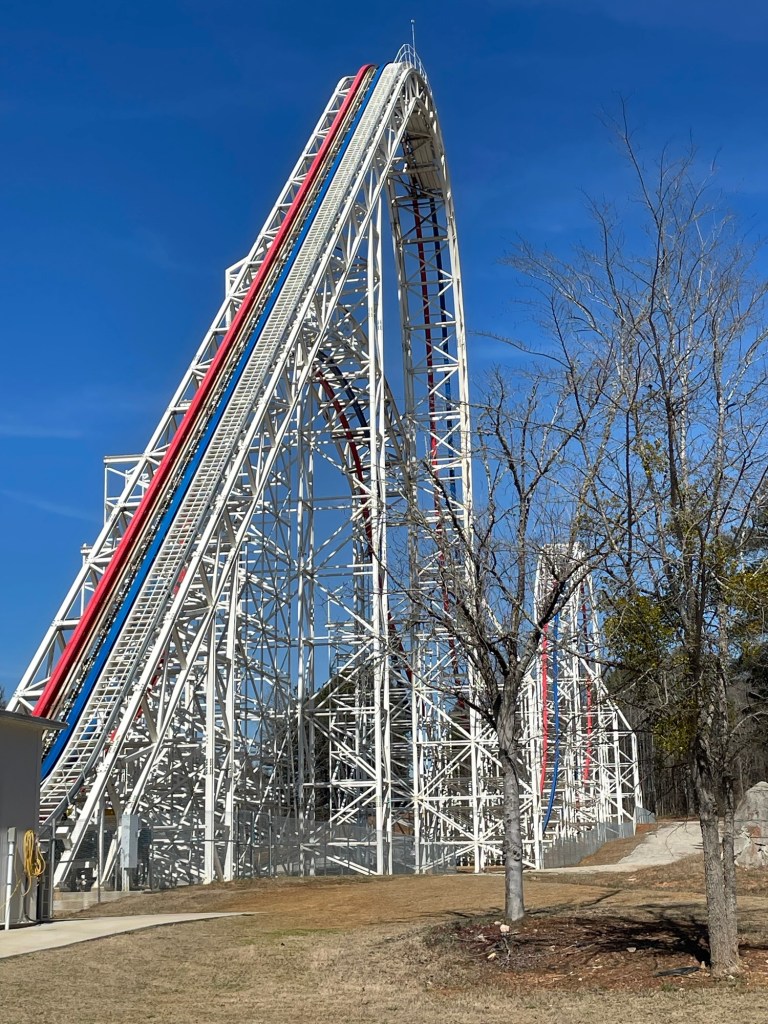
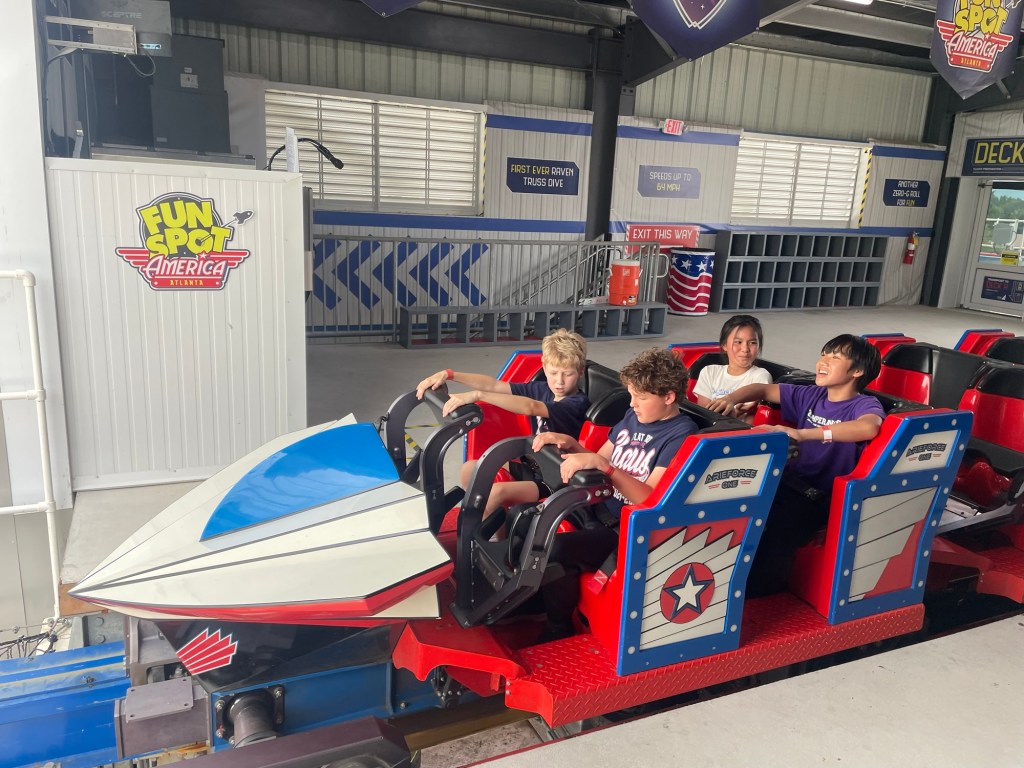
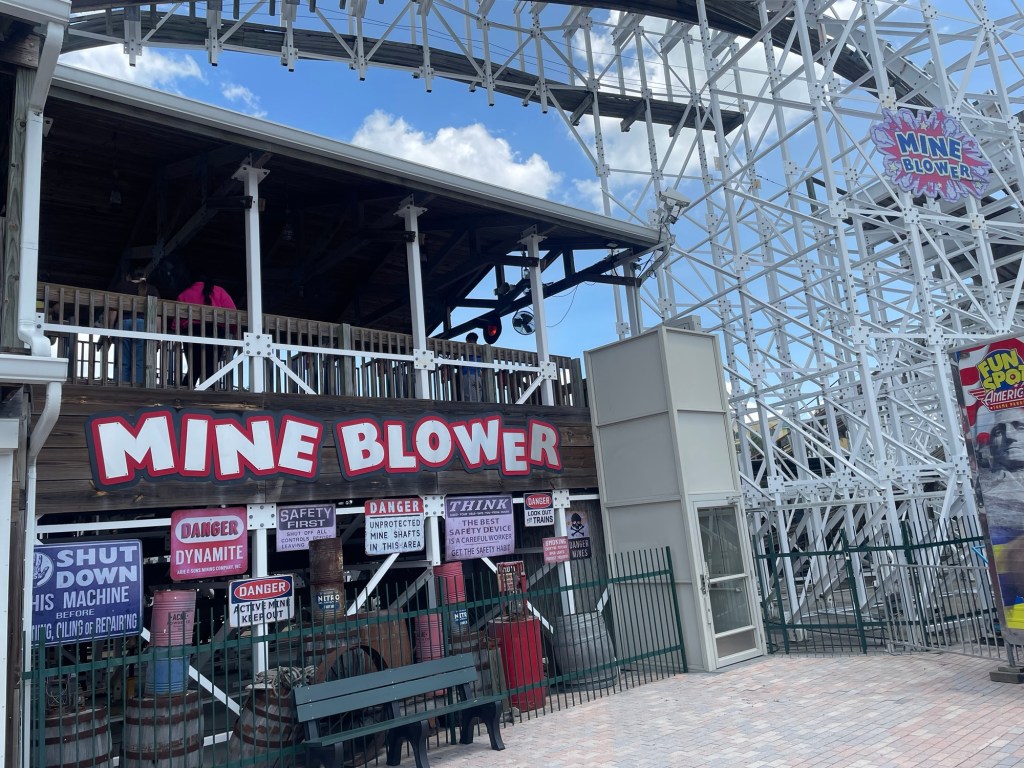
To give you a few more cost examples, a 1,500 foot Gravity Group wooden coaster costs around $5 million while a wooden hybrid coaster like Mine Blower at Fun Spot Kissimmee was $6 million. If you spend $5 million on a steel coaster the best you can do is a small family coaster like a Skyline Attractions P’Sghetti Bowl at slightly under $3 million or something like a Premier Rides Sky Rocket (like Tigris at Busch Gardens) for around $5-$6 million. You can of course get an incredibly expensive wooden coaster like the $22.5 million Lightning Rod at Dollywood or an incredibly cheap steel coaster like an SBF Visa for $500,000 to $700,000, but we’re talking about averages here.
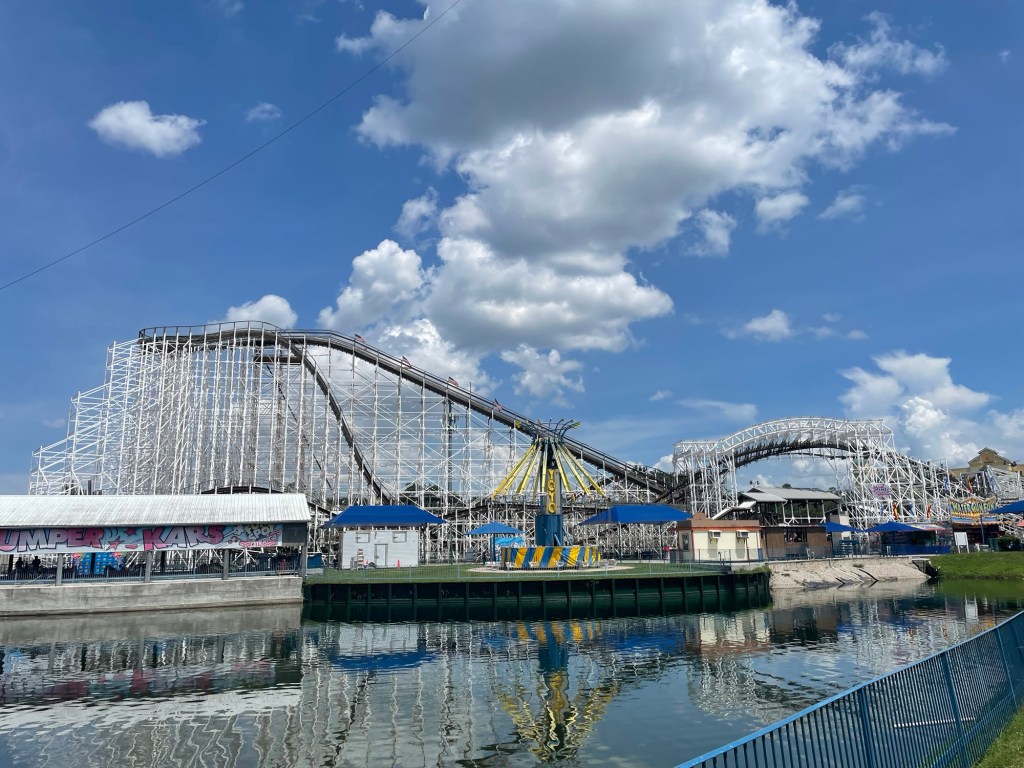
A major between a steel and a wood roller coaster is in the maintenance costs and specifically track replacement. While track replacement is extremely rare on steel coasters, it’s quite common to replace some or all of the track on wooden coasters in much shorter intervals. After 25-50 years when it’s time to potentially replace the track on a steel roller coaster it’s usually scrapped as opposed to replacing the track. Universal did replace 100% of the the track on Hulk and Disney is doing a complete retrack with Big Thunder Mountain, but these are the unicorns. Parks often struggle with what to do with iconic rides like Busch Gardens has with Kumba and more often they just scrap older steel coasters to make room for something new like what happened with Scorpion and Sand Serpent.
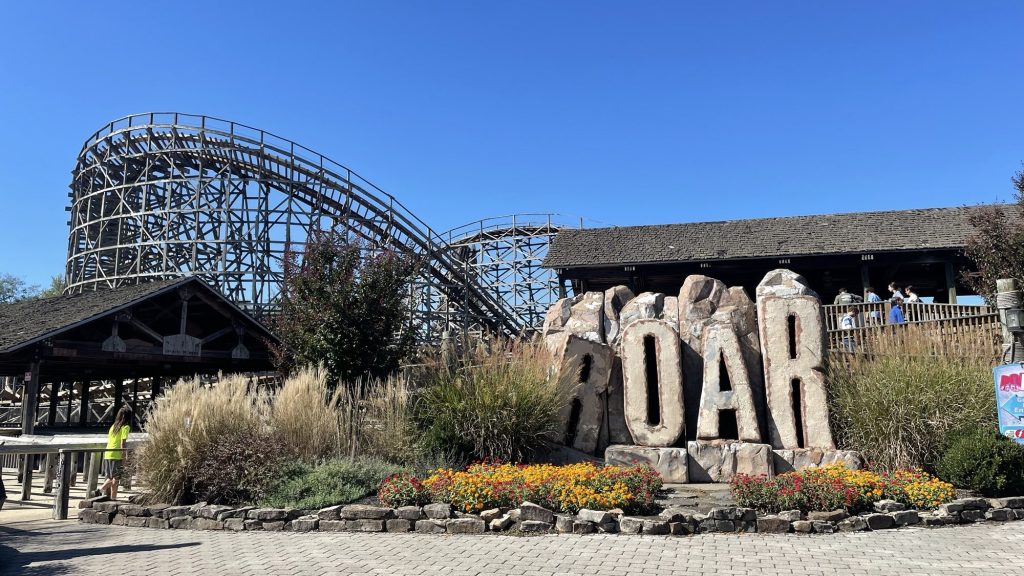
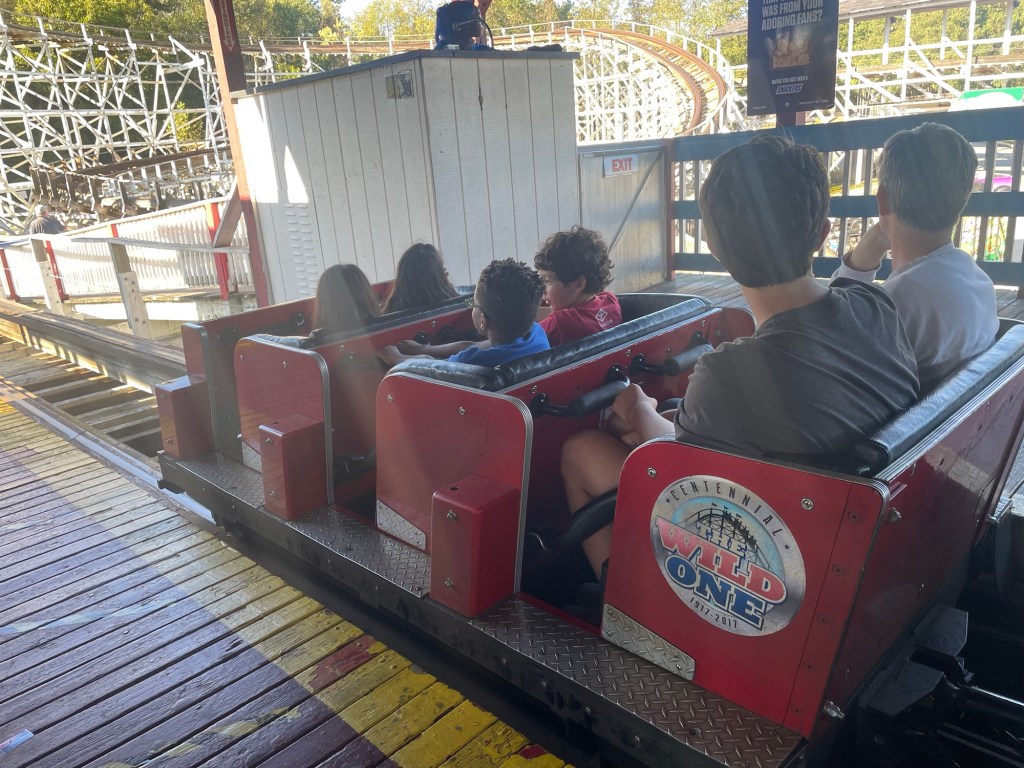
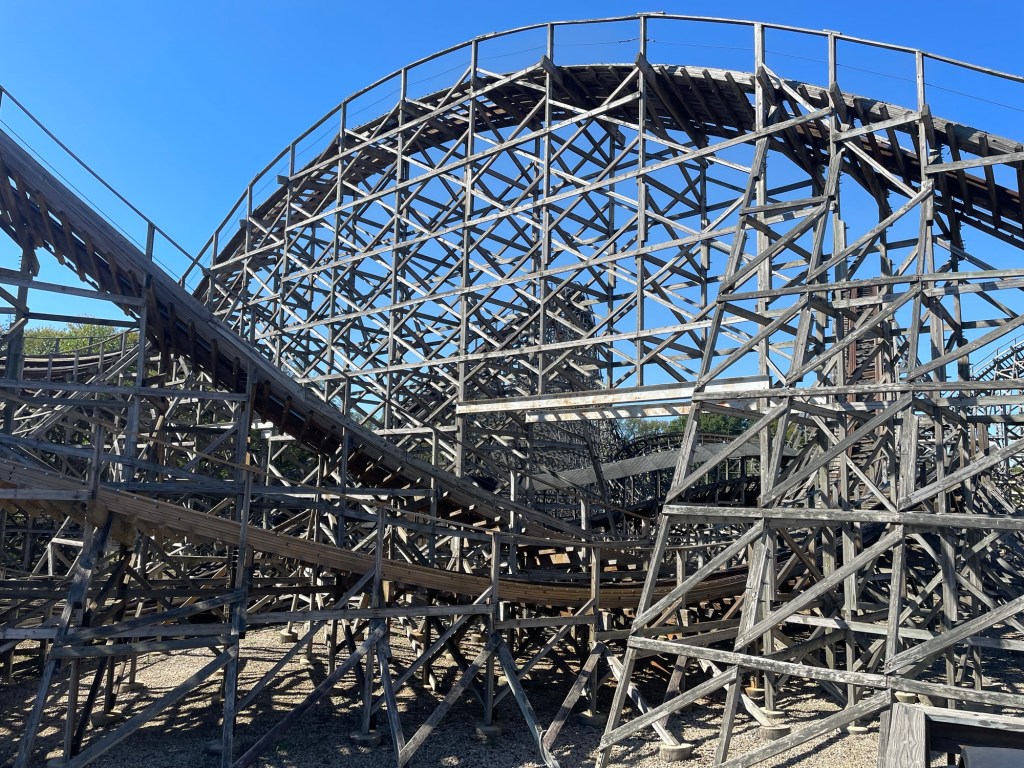
In some ways a wooden roller coaster can almost become immortal when properly maintained as old wood is constantly swapped out for new meaning you essentially have a new roller coaster after a while. There are some wooden roller coasters that are 100 years old like the Big Dipper in Santa Cruz. Even smaller parks like Lake Winnie have kept great rides like Cannon Ball going for almost 60 years. Even this week Six Flags St. Louis announced track work on Screamin’ Eagle for its 50th anniversary. Six Flags Over Georgia also did major work on the Great American Scream Machine a couple of years ago. With time, money and effort these rides can literally be around for generations.
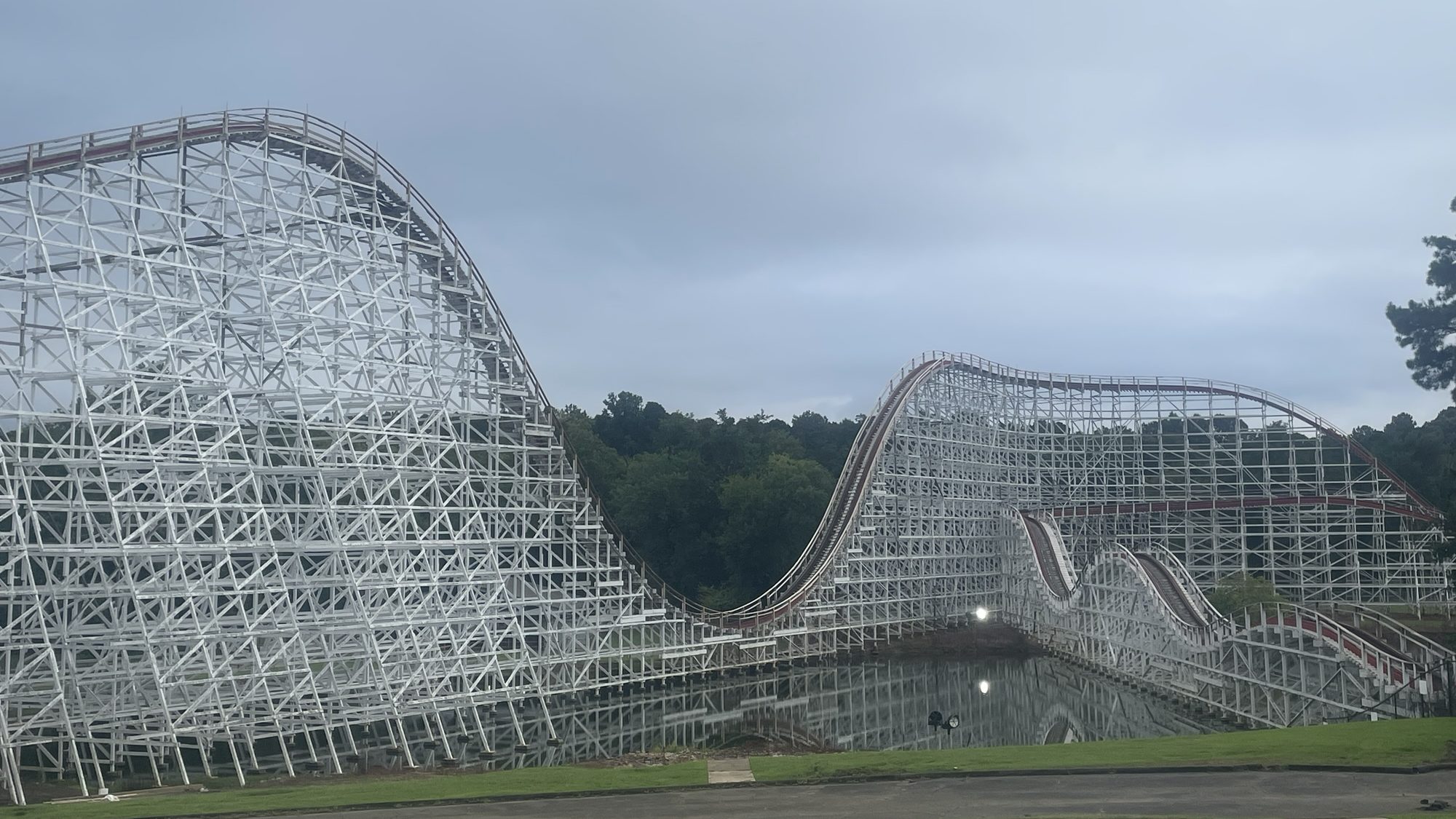
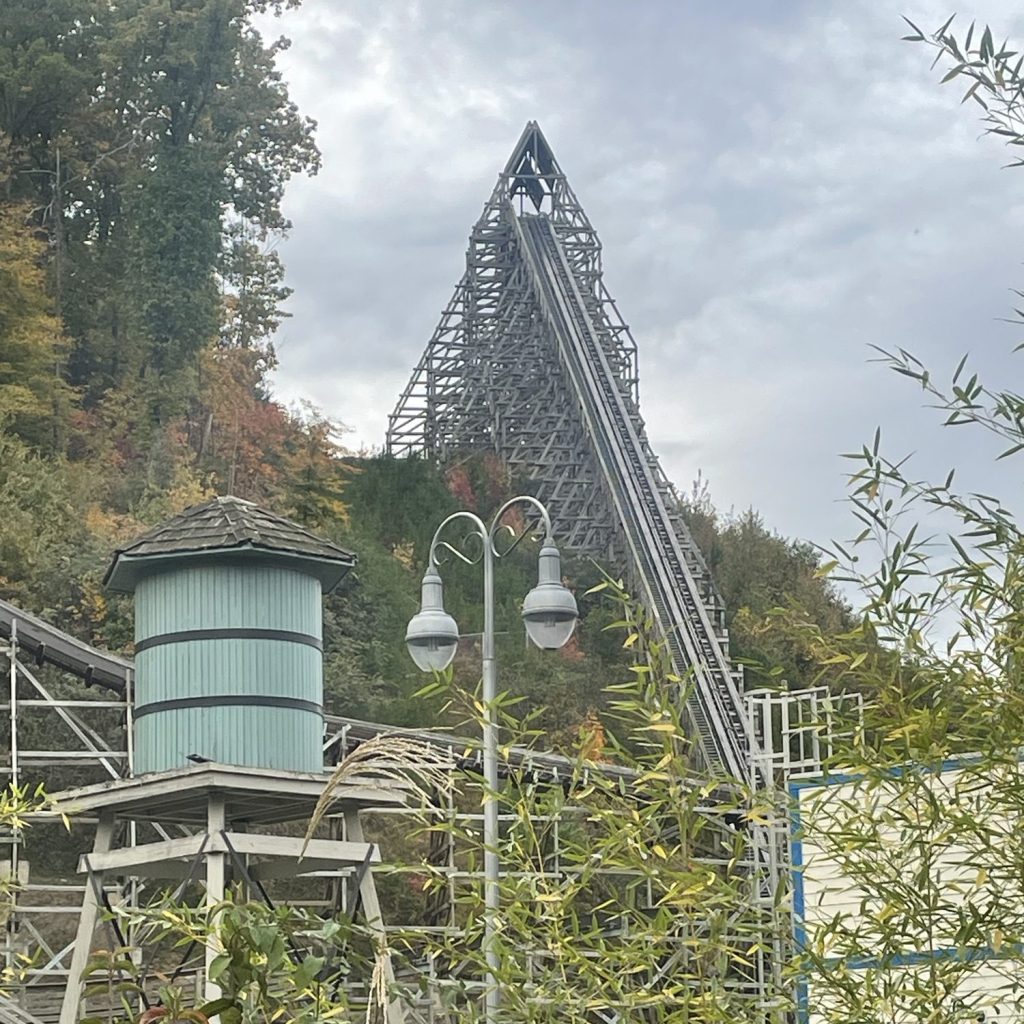
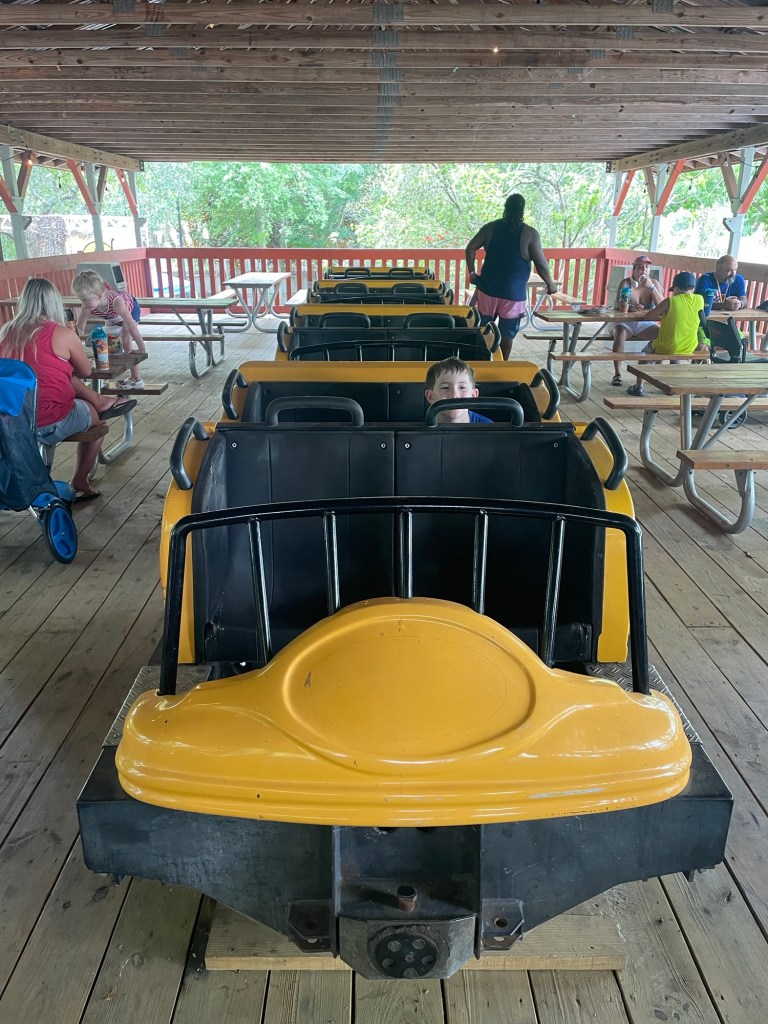
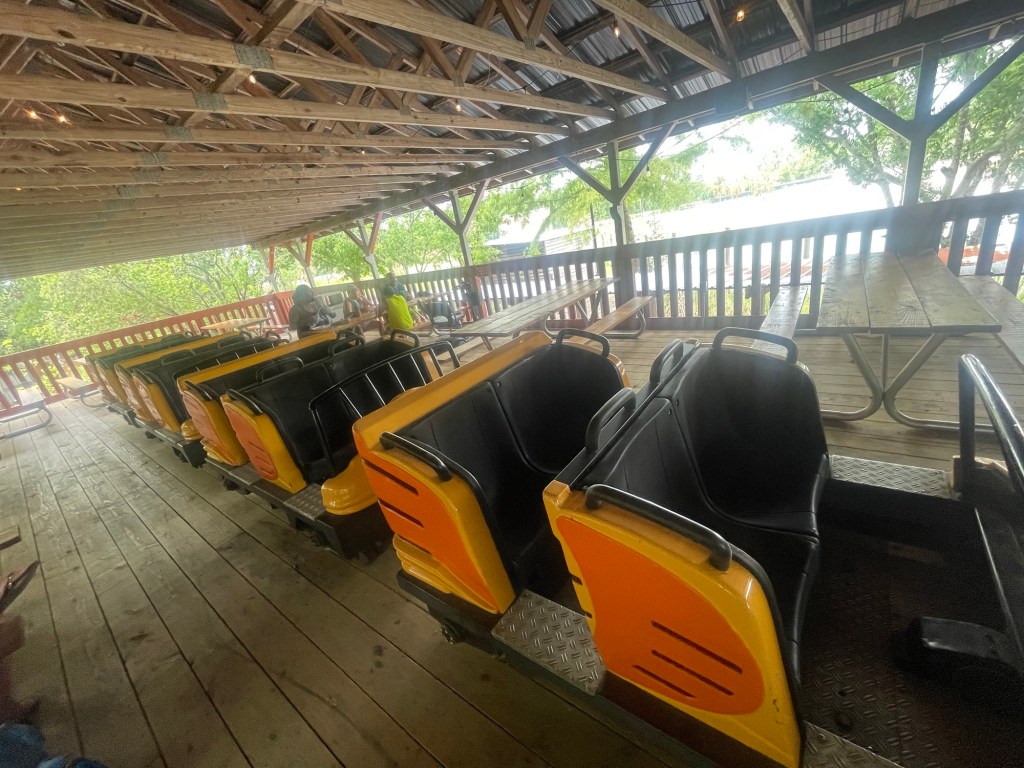
So this brings us to the sad tale of some of the wooden coasters that became too expensive for their to maintain. One of these was Cheetah at Wild Adventures in Valdosta, Georgia. By most accounts this $3.5 million 2,680 foot wooden coaster with 92 foot drop was a great ride when it opened in 2001. However, sometimes weather does them no favors either in places like south Georgia, Alabama and Florida and this coaster became rough and reportedly decreased in speed from 65 mph to just 52 mph. In 2009 Wild Adventures invested $1.3 million to replace a bunch of track. This amount was nearly 40% of the initial build cost and bought the coaster some time, but the poor ride performance returned and the ride was shuttered and later demolished in 2021. You get the sense that the economics of keeping a ride like this going just didn’t work for a smaller park. However, if you go to Wild Adventures today the station and train still exist as a picnic and special events area and it is a great tribute to this former ride.
An evolving example of maintenance costs on wooden roller coasters being just too much for a park are Rampage at Alabama Adventure. Rampage did not operate at all in 2024 or 2025. The 2024 closure was planned in order to allow much needed repairs and the ride was to reopen for the 2025 season, but this never happened. The park did a great job communicating what was going on in 2024 by releasing the video below detailing that the $500,000 in annual costs to refurbish the ride was just getting to be too much for a small family owned park. It sounded like they hoped to do something more lasting, rumored to be Titan Track (which we’ll discuss next), but no visible work appeared to be conducted on the ride in 2024 or 2025. It also appeared that the park got frustrated constantly having to answer questions about Rampage in 2025, but honestly, who wouldn’t? Come 2026 and Rampage doesn’t even appear on Alabama Adventure’s website anymore, not a good sign. Rampage was considered to be an excellent wood coaster, so it would really be sad to see it go. However, Alabama Adventure appears to be investing more in their water park, Splash Adventure, recently a massive new 542-foot-long, four-person water ride named Slidewinder for the 2024 season. Hopefully though, Rampage at least stay SBNO and hopefully they can come back around to it at some point.
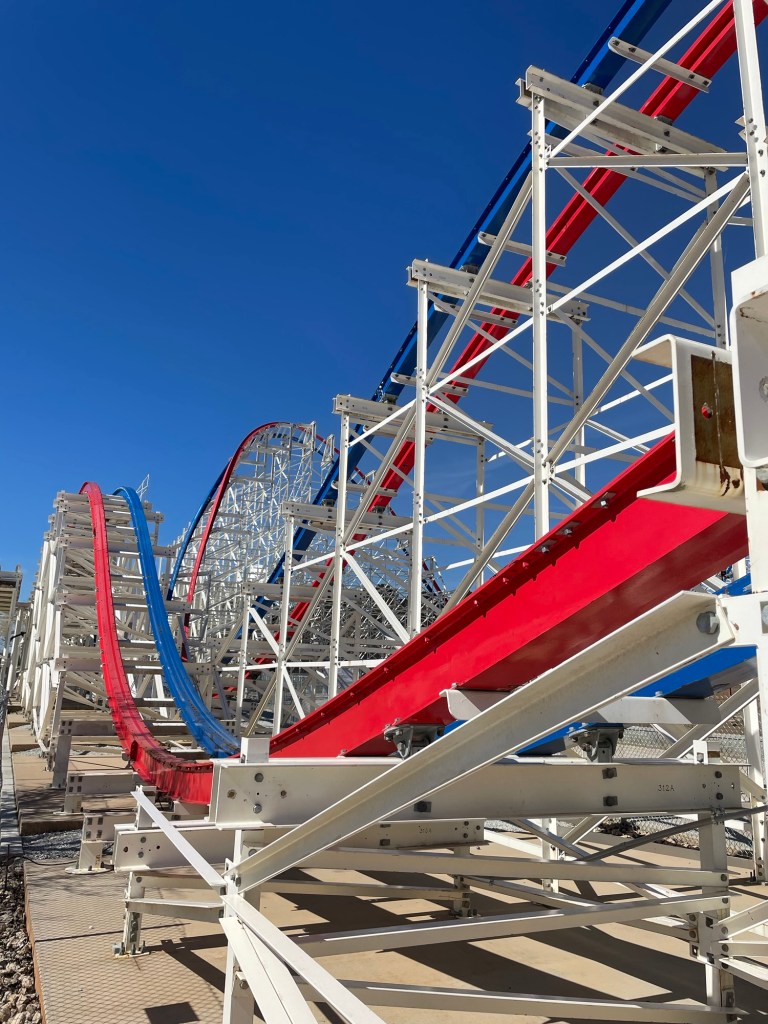
Thankfully though, there’s a new solutions emerging from coaster manufacturers not just for new coasters, but as a retrofit for classic coasters. Titan Track (by GCI) as well as I-Box and 208 ReTrak Topper Track (by RMC) are all steel, welded-free track solutions designed to make wooden roller coasters smoother and more durable. These retrofits can maintain the same profile as the original coaster or also allow for layout changes to incorporate new elements like inversions too. There’s also Pre-fabricated track which uses laser-cut wood for a smoother ride like that used on coasters like El Toro providing faster and cheaper maintenance. Some wooden roller coasters are still scheduled to open too as Great Coasters International, Inc. will open one in 2027 at Park Mirakulum in the Czech Republic.
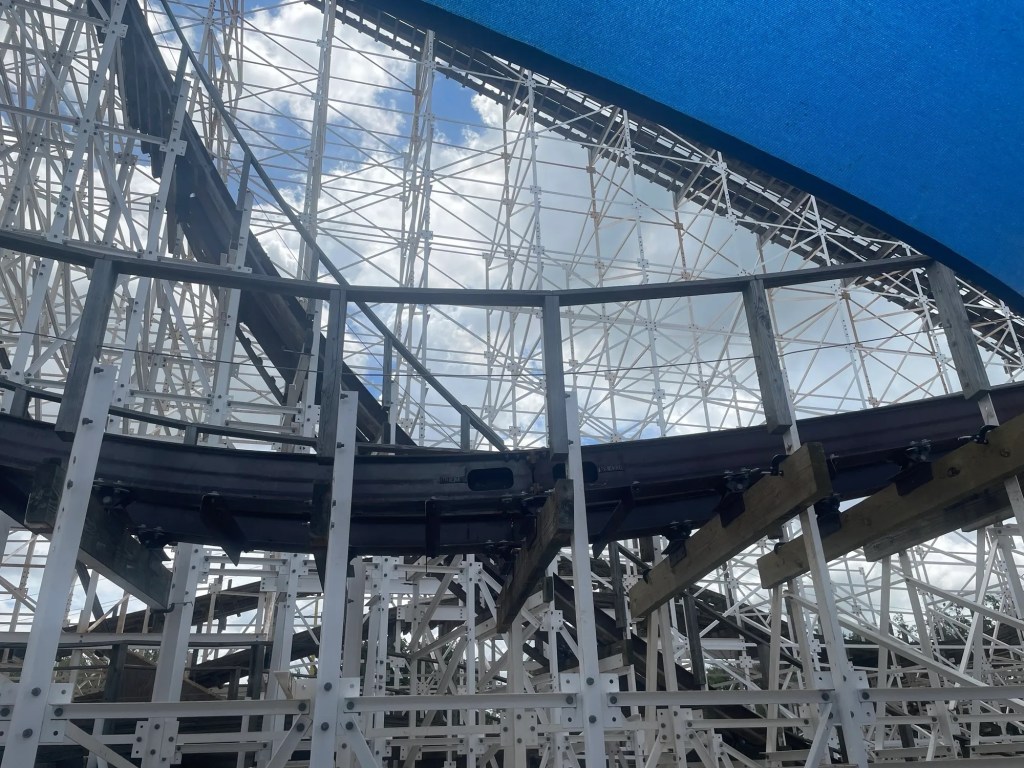
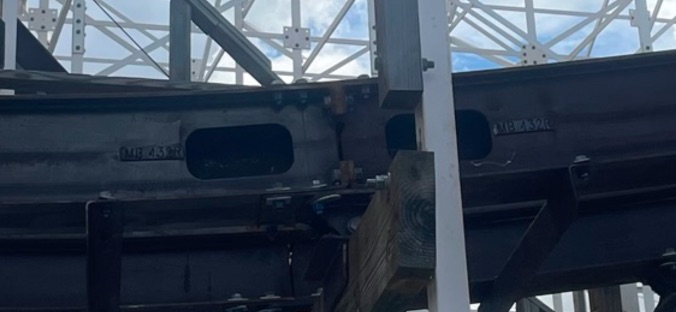
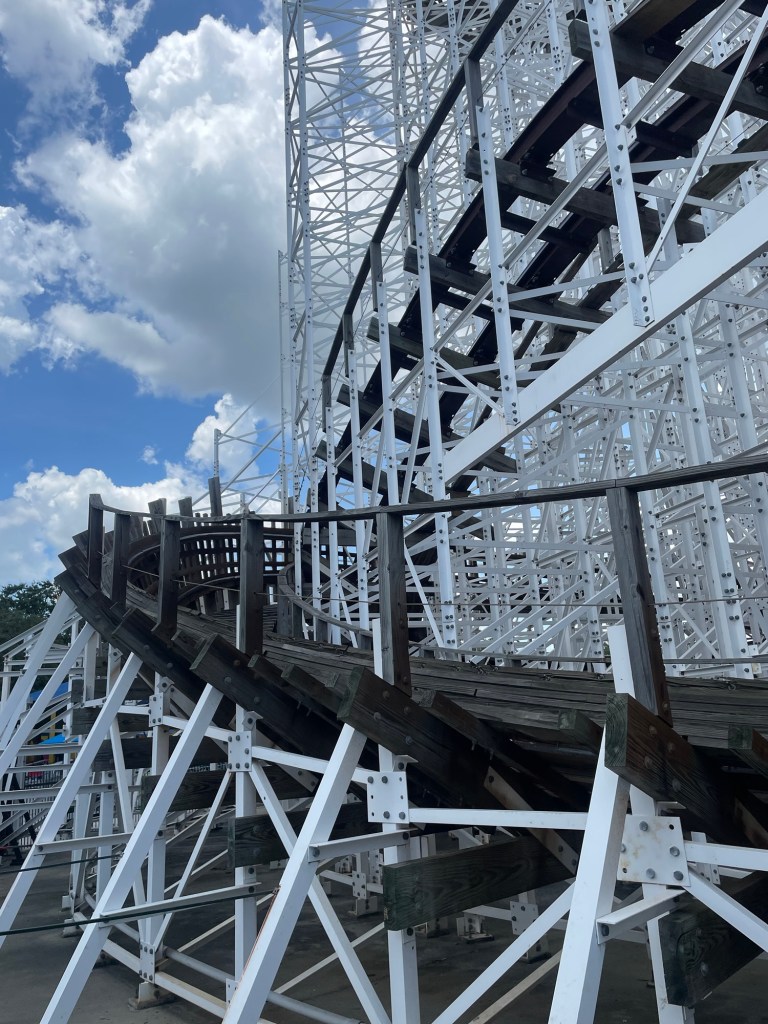
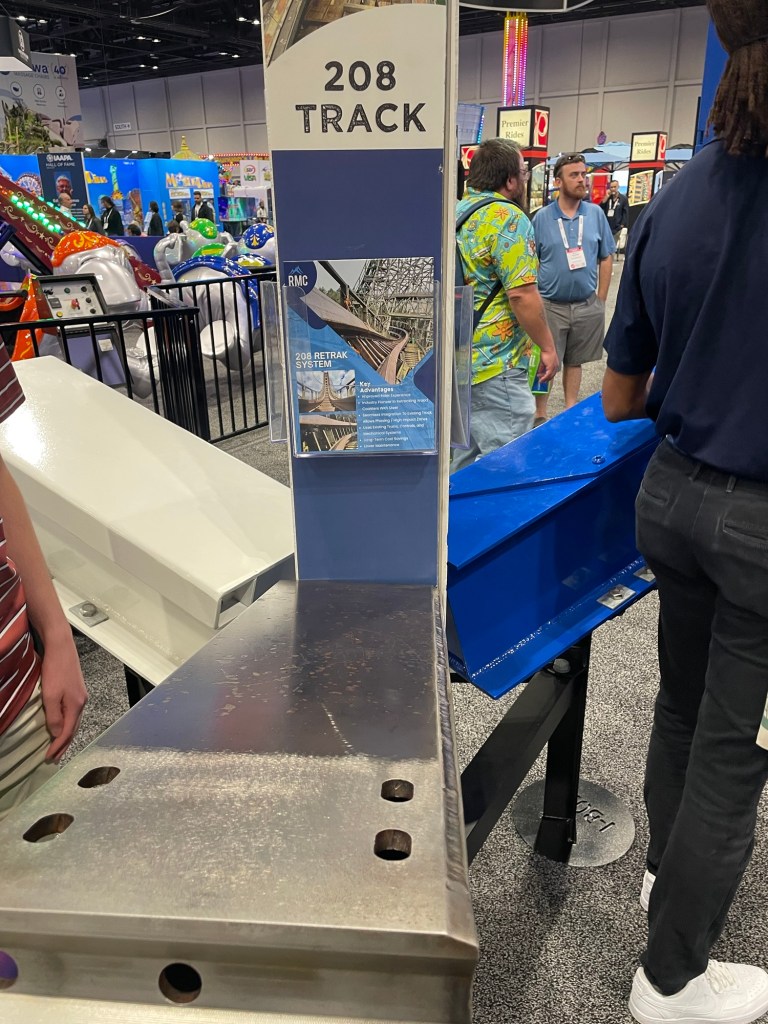
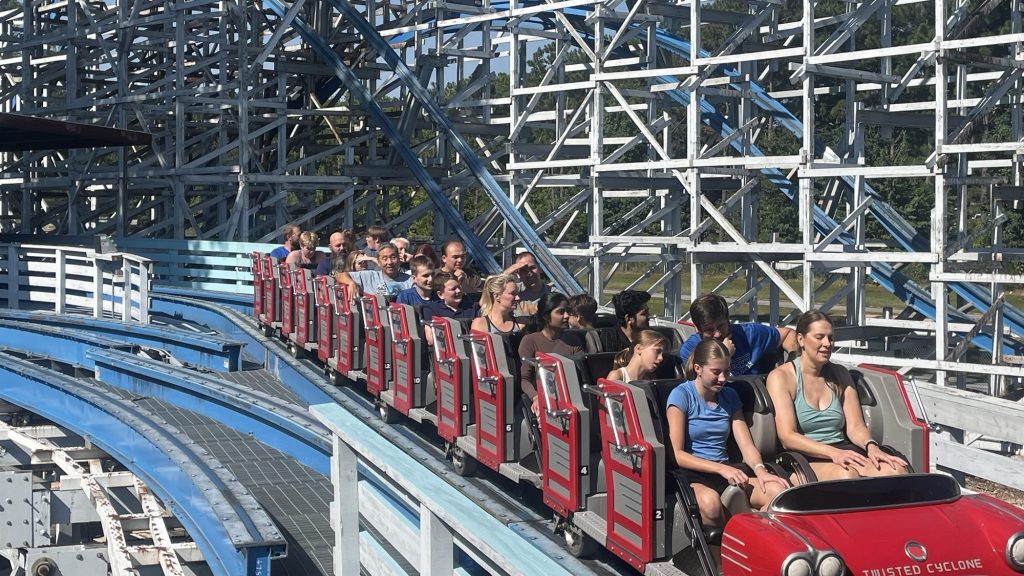
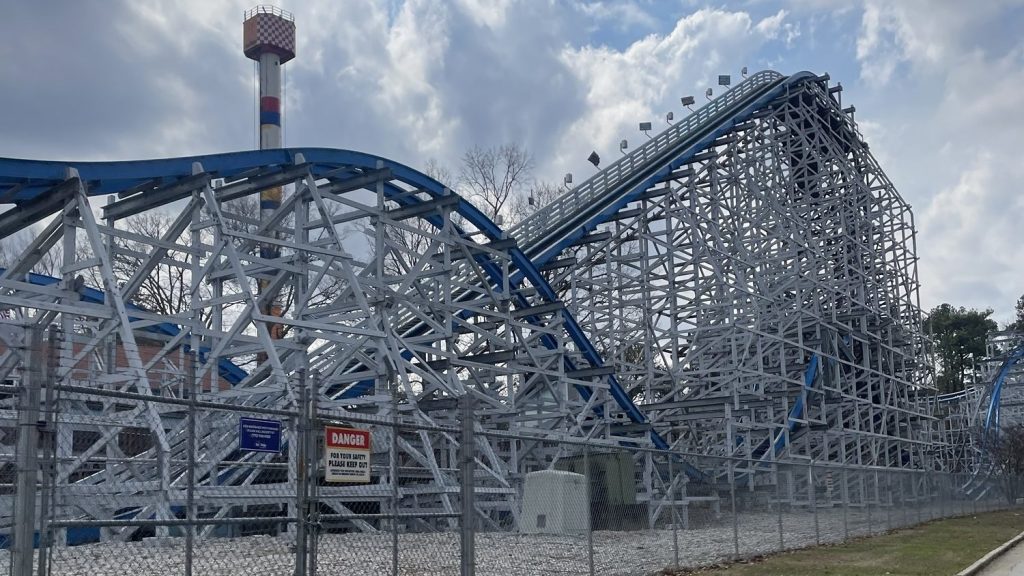
One such example of this is the Georgia Cyclone at Six Flags Over Georgia which became Twisted Cyclone. The ride started initially as a clone of the iconic 1927 Coney Island Cyclone (a 10-foot taller mirror-image), but it grew rough and was later converted by RMC into a steel hybrid I-box track coaster, keeping much of the same layout, but adding 3 inversions. Similarly Gwazi was converted to Iron Gwazi, taking essentially two wooden roller coasters and merging them into one amazing ride that has gotten near universal acclaim.
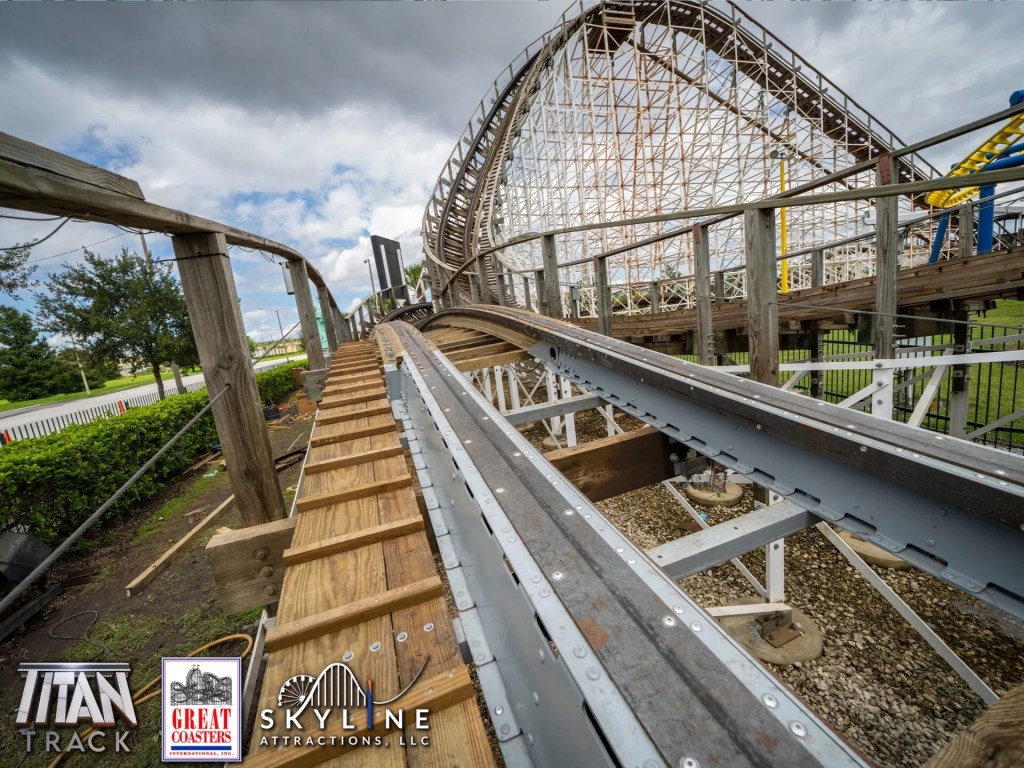
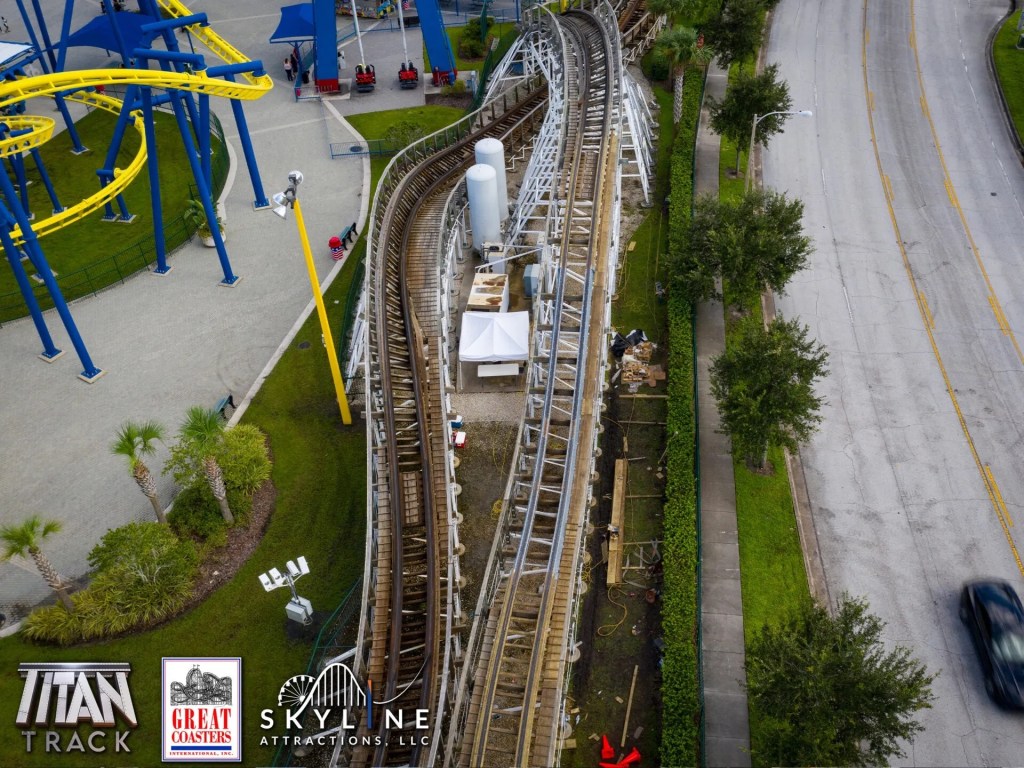
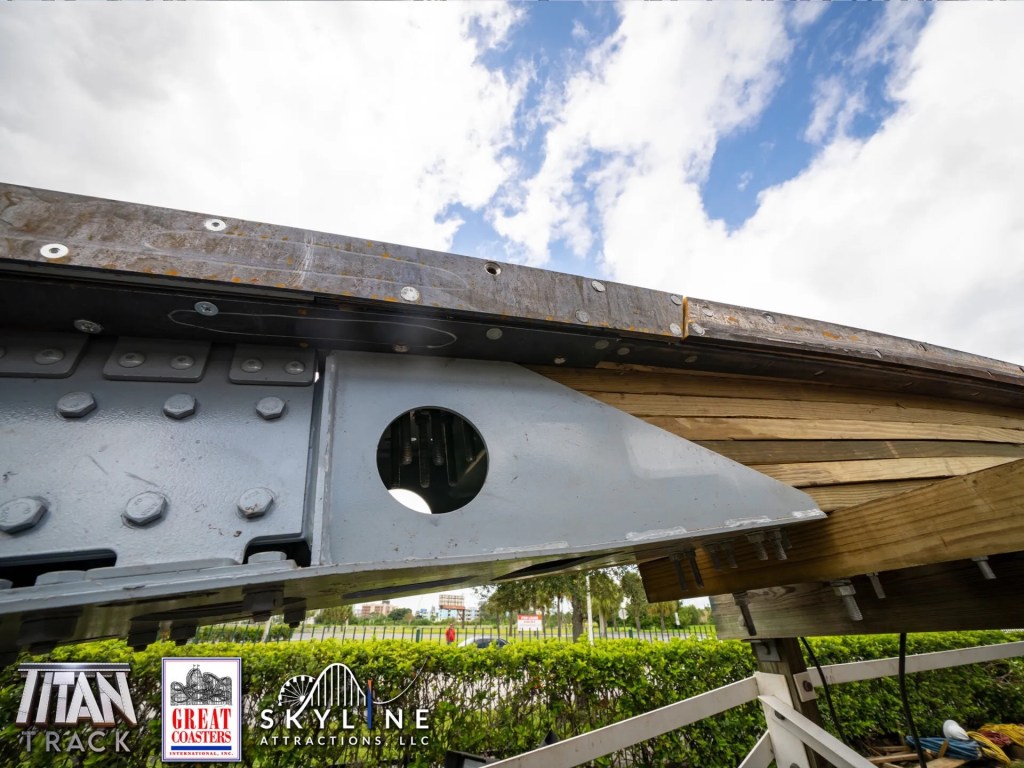
Other rides keep the same profile such as Mine Blower at Fun Spot Kissimmee having large sections of I-box track added to replace old wooden track. Similarly Titan Track being installed on White Lightning at Fun Spot Orlando. Titan track is engineered by Great Coasters International (GCI) in cooperation with Skyline Attractions GCI was gracious enough to share several images for this post. The goal of both the work on Mine Blower and White Lightning was to provide a smoother and more enjoyable ride experience as opposed rather than change the layout or any ride elements. It sounds like what happened to Mine Blower and White Lightning is more of what is envisioned for Rampage at Alabama Adventure.
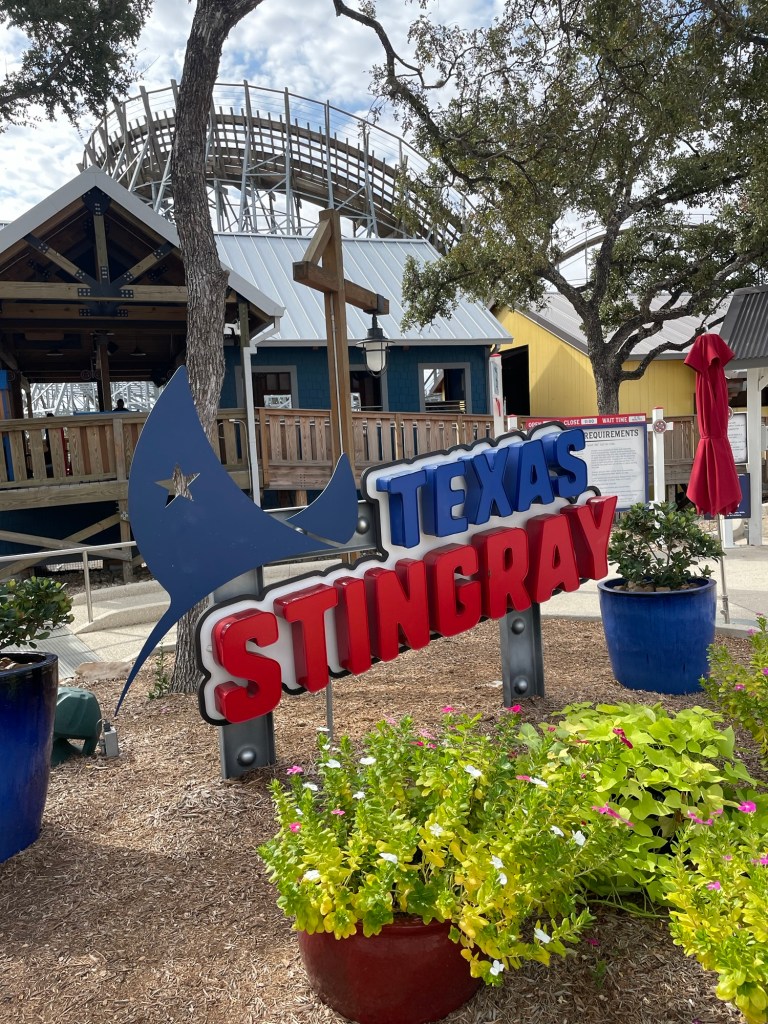
Many of the new coasters use a hybrid structure from day one, often relying on steel support structure as well as is the case with InvadR at Busch Gardens Williamsburg, Texas Stingray at SeaWorld San Antonio, Kentucky Flyer at Kentucky Kingdom or even Colossus at Sic Flags Qiddiya City. It sort of begs the question of what qualifies as a wood coaster these days anyway? These look and feel like a wooden coaster, but rely on steel structure to provide stability and a consistent smooth ride. In many ways it’s the best of all worlds, but to purists it’s a hybrid and not a true wood coaster.
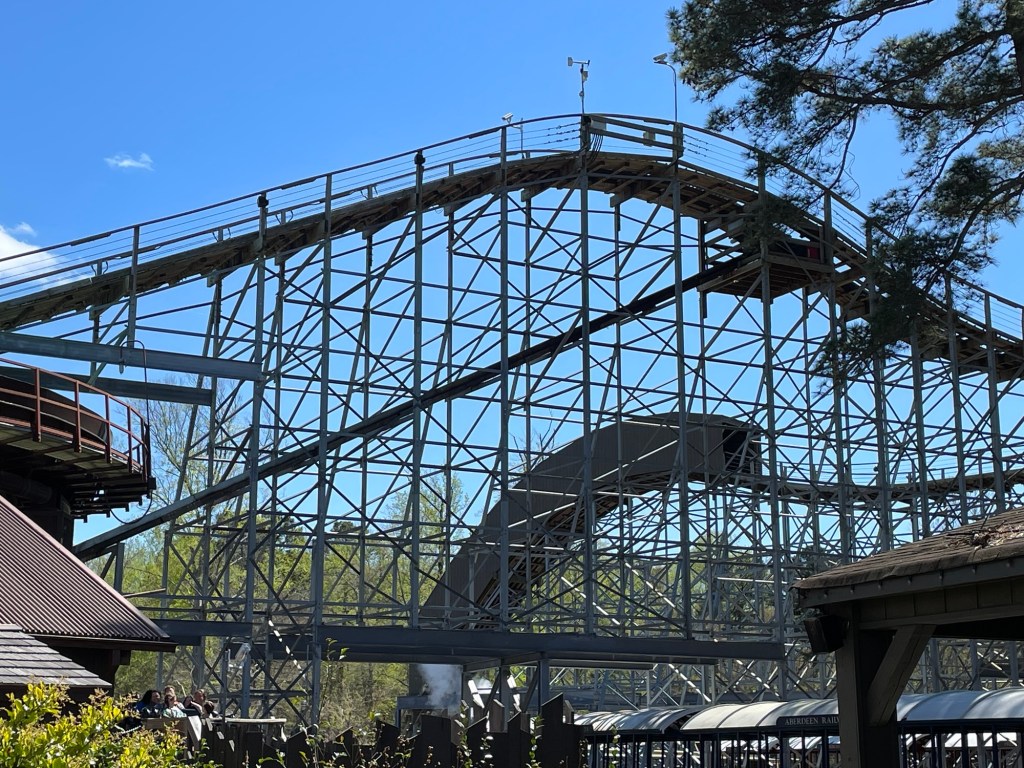
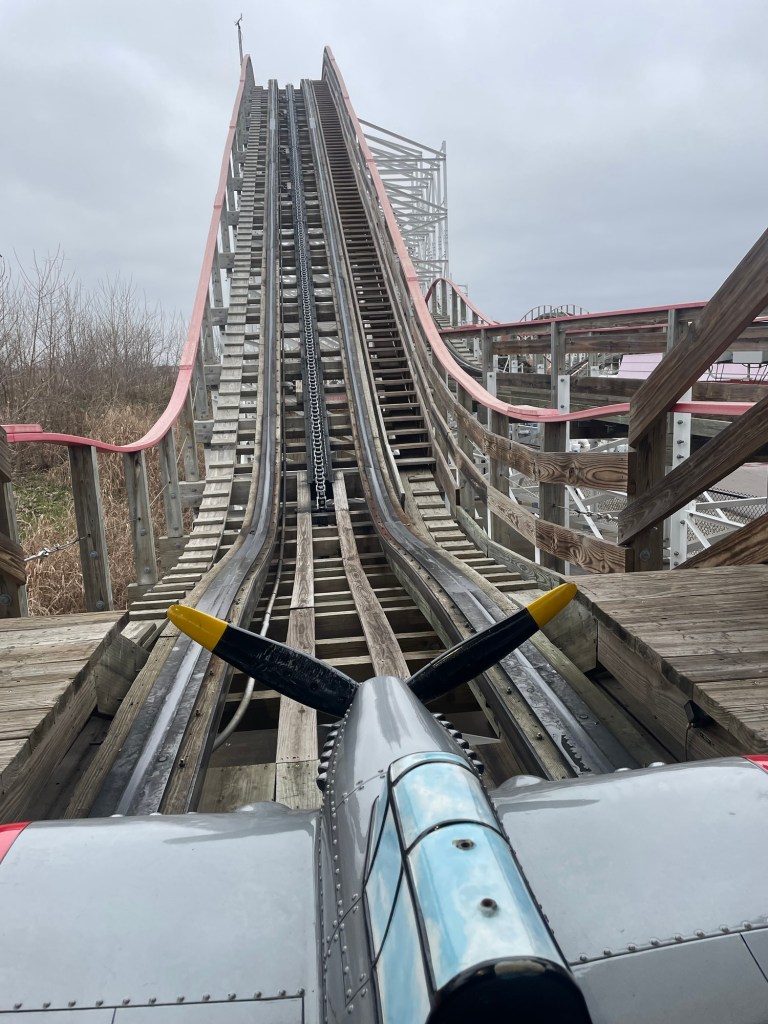
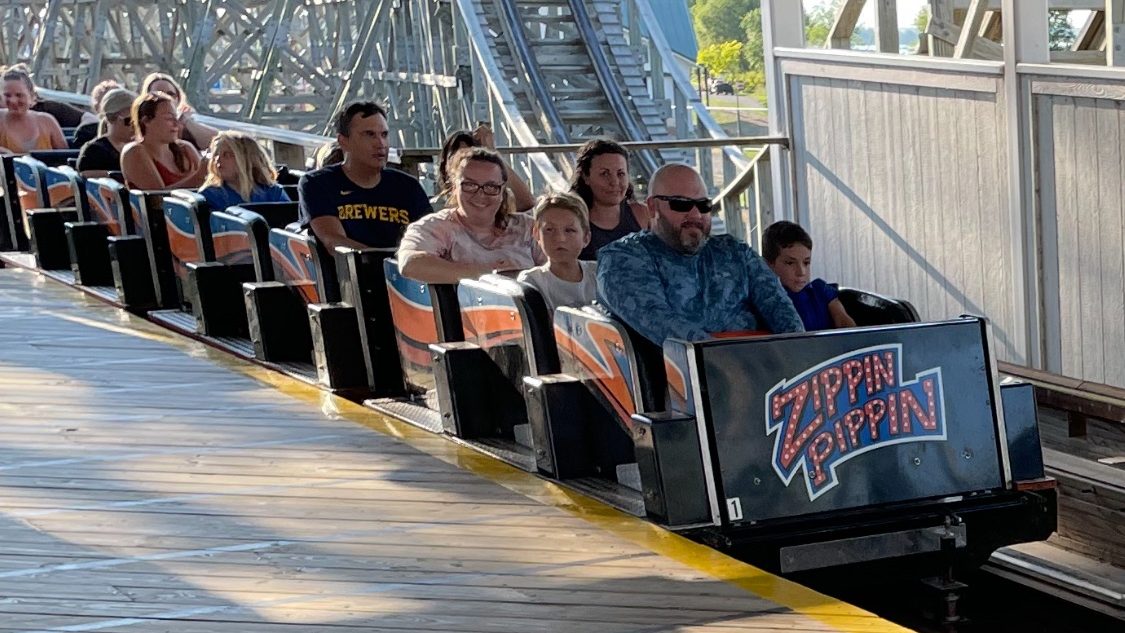
Wooden coasters provide a unique ride experience, but are becoming less common today with both fewer being built and many closing down. We are likely to lose a couple more with the closing of Six Flags America in that The Big Wild and Roar are unlikely to be relocated as cases of relocation like Zippin Pippin are incredibly rare. The last true wooden roller coaster in the United States was Bobcat at Six Flags Great Escape back in 2024. Hopefully new innovations like Titan Track, I-Box and 208 ReTrak can keep current wood coasters going for generations to come so that today’s favorites may see their 50th or 100th birthday as well. Sure, there is some loss of purity in technically being a hybrid coaster and no longer a true wood coaster, but better that than not having them at all. It is also important to communicate how much we love these rides to our local heme parks so they know the extra maintenance cost is worth it.


Pingback: The Lumber for Your Favorite Wooden Roller Coaster May Have Come From S.I. Storey in Armuchee, Georgia | BGT Safari