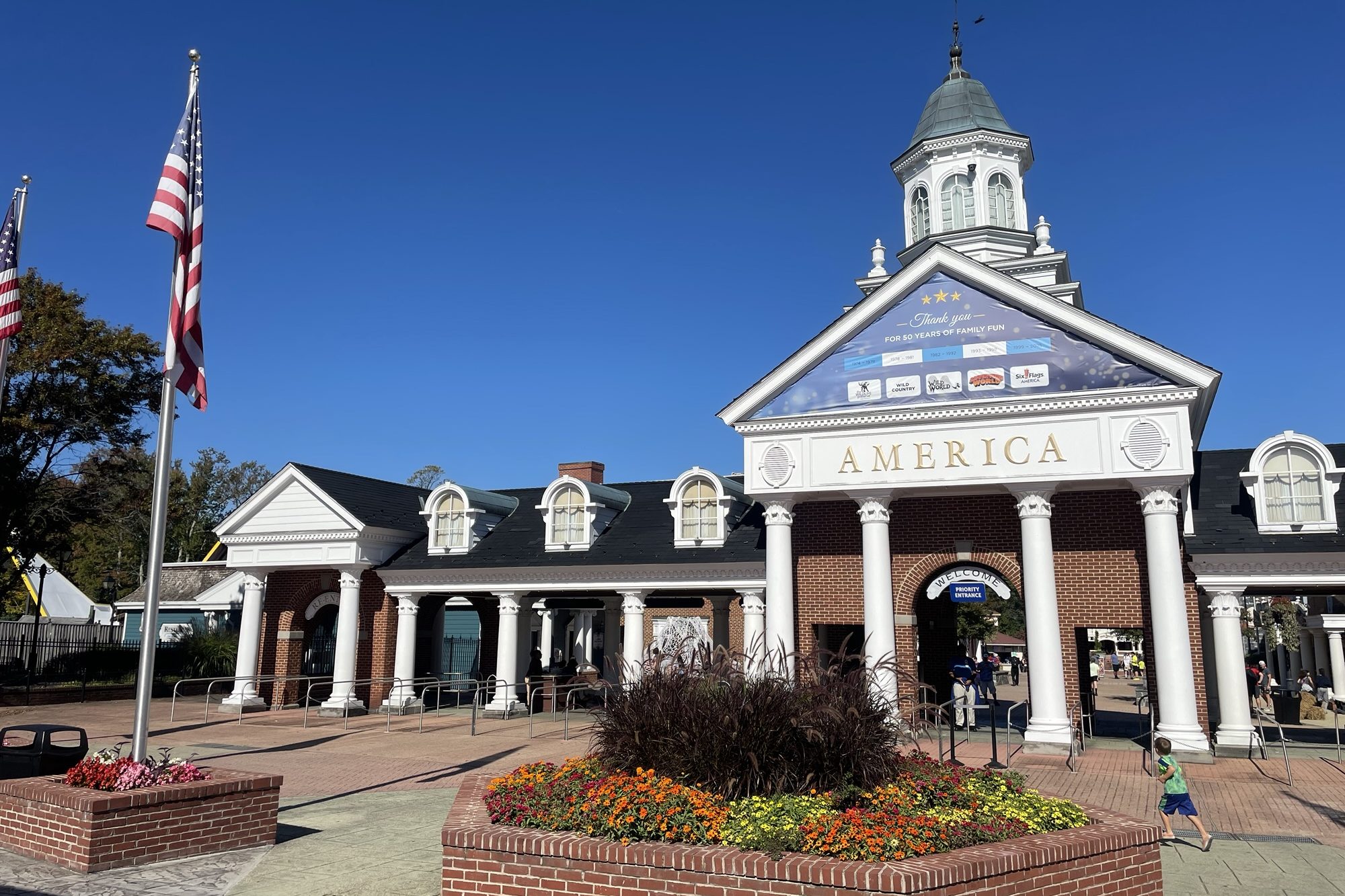
Six Flags America is closed, likely forever, unless the land is bought by a group who intends to reopen it, which seems unlikely. There have already been reports of trains from Professor Screamore’s SkyWinder being moved to Canada’s Wonderland for their Vekoma SLC Flight Deck, so it appears the dismantling is underway. Six Flags also announced on an earnings call its intention to divest other “non-core” parks, but it is yet to be seen if these sales will be to another operator or result in closure with the land seeing other uses. A closure is often in the best interest of a seller in order to drive business to their other parks nearby. National news gave lots of coverage to the Six Flags America closure, laying part of the blame on a “sluggish economy that’s hit Six Flags’ core middle-class customers particularly hard”. So what does this mean for the industry going forward?
Six Flags America isn’t the first major theme park to close and it certainly won’t be the last. A theme park is a business and sometimes a business isn’t well run or has events outside its control lead to poor performance. Six Flags New Orleans was closed due to damage from Hurricane Katrina while Six Flags AstroWorld closed due to declining attendance coupled what was seen as the increasing value of its urban land in Houston which Six Flags sold for $77 million. Ironically though, this land nearly 20 years later, still sits largely vacant and is largely used as overflow parking. However, Six Flags got its money.
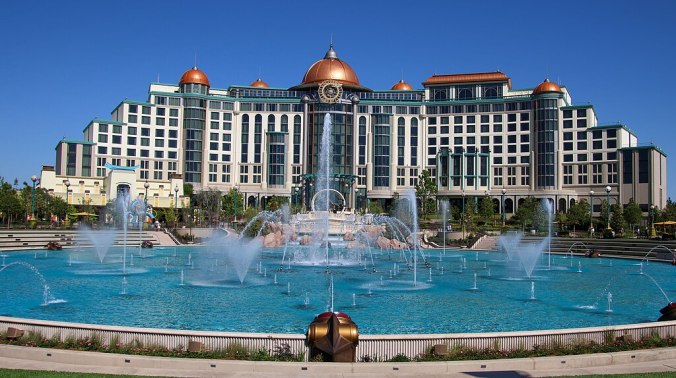
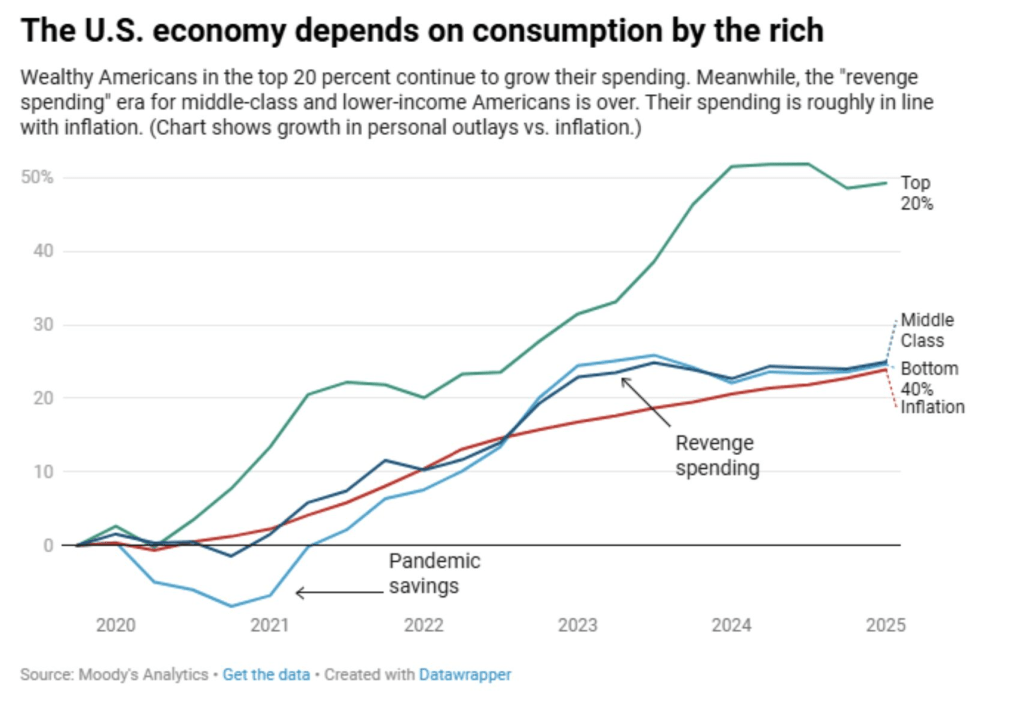
In economics there’s something called a “k-shaped” economy where one part of the population sees increasing wealth and prosperity while it decreases for others. You can argue that this experience of the rich prospering while the poor struggle is as old as time, but perhaps it’s slightly different now. Rather than a handful of people at the top there appears to be a difference between the top 10-20% versus the rest. This could mean more expensive resort parks like Disney or Universal could do OK while cheaper local parks could struggle. Local parks also face pressure on the lower end from family entertainment centers who offer cheap entertainment with increasingly larger and more complex rides. A similar trend is often seen in dining during a recession where the high end and bargain options tend to do well, but the middle gets crushed. In many ways themed entertainment has more options than ever, potentially to the detriment of moderately sized parks.
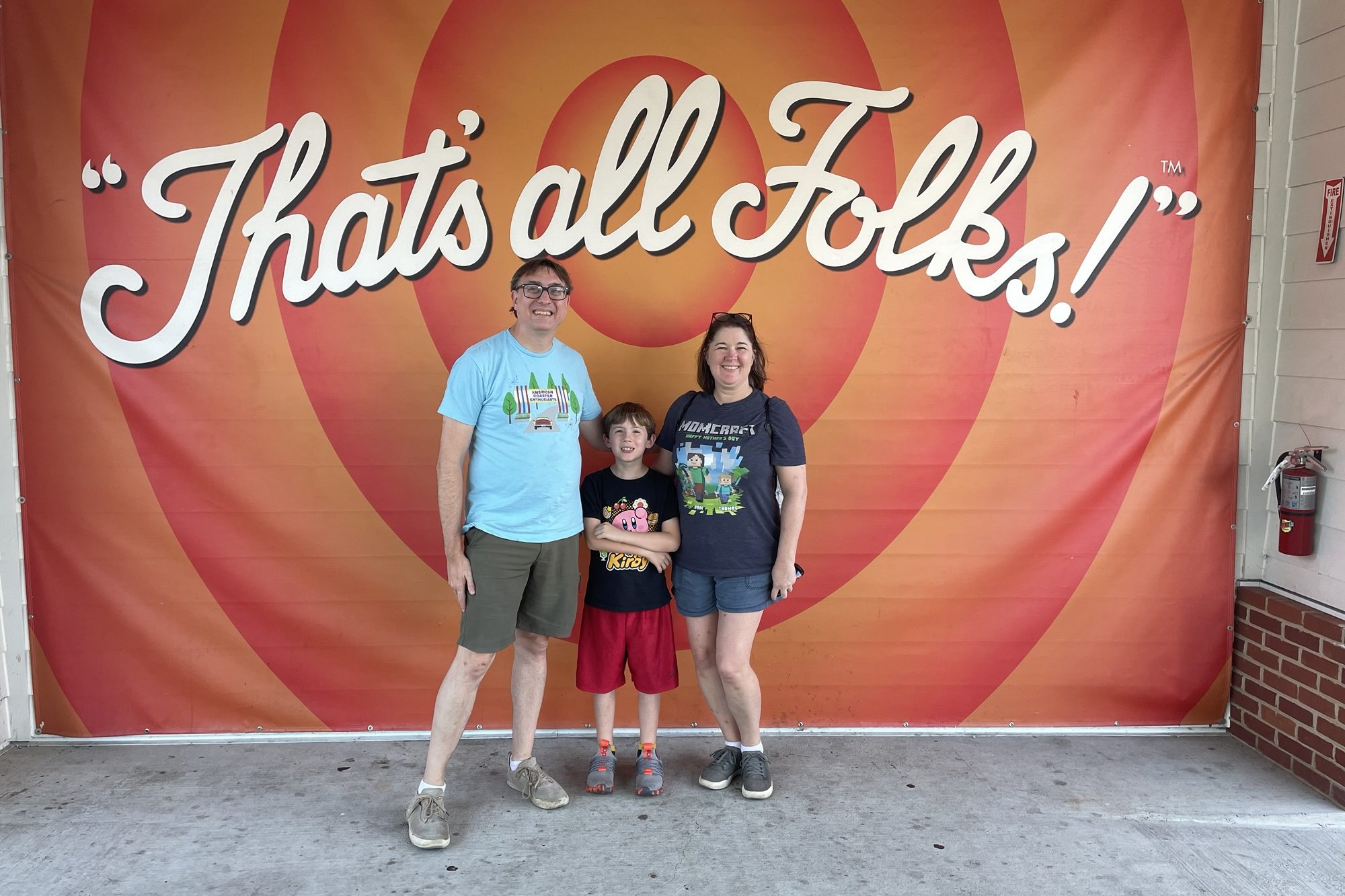
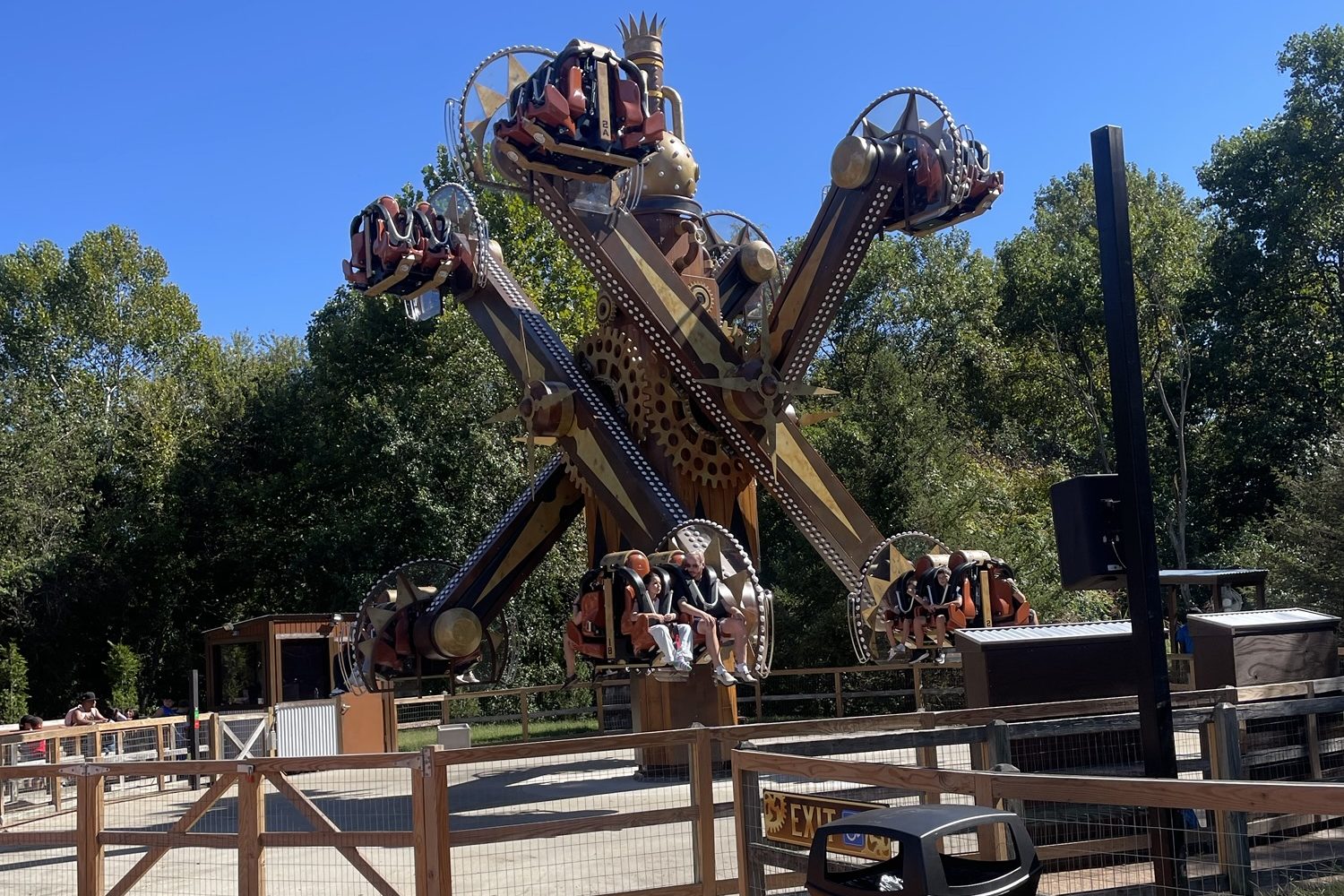
I had a chance to visit Six Flags America in October 2025 prior to its closure and it was a delightful park. We sent on a Saturday and everything was essentially a “walk-on” which was great for us, but probably also part of the reason for the closure. Although I wouldn’t say anything at the park was incredibly unique, it had excellent balance with a great mix of coasters, flat rides, food and shows. It really had one of everything you need with nothing being spectacular, but everything more than serviceable. Six Flags America would be a fine park to get your ride fix a few times a year for locals, but probably wouldn’t draw many enthusiasts.
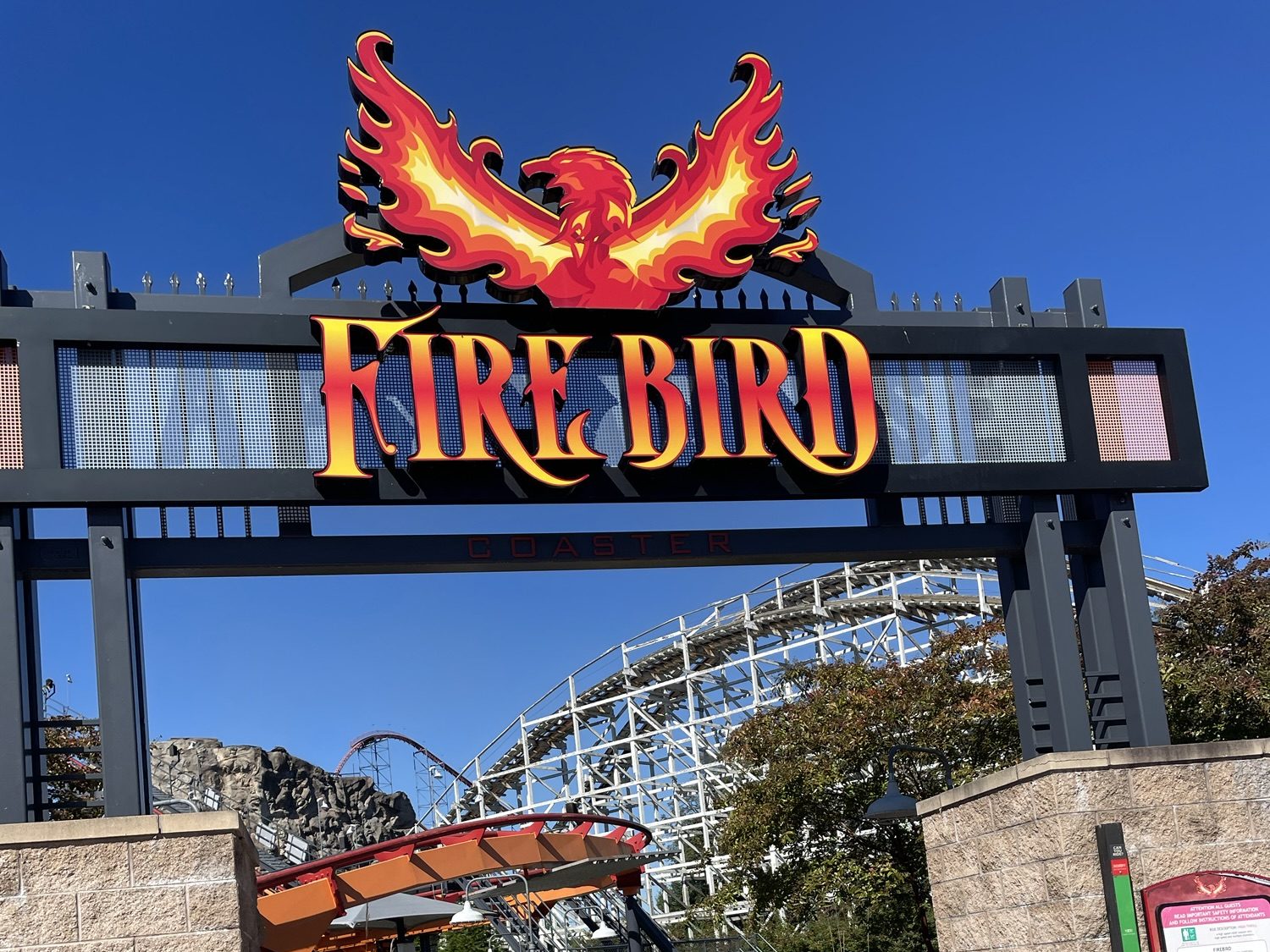
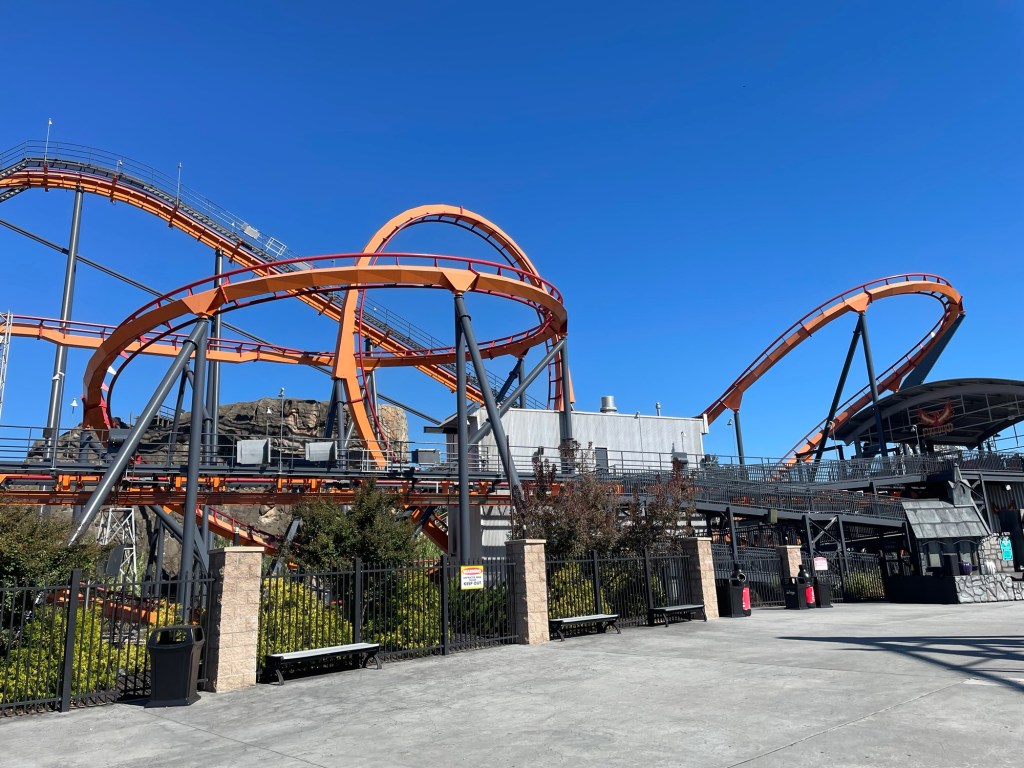
The ride selection showed its age with the only new options being a NebulaZ and a SkyScreamer. The newest roller coaster was Ragin’ Cajun which opened in 2014, but originally opened in 2004 at Six Flags Great America. The second newest coaster is Firebird which opened in 2012, but is actually quite historic. This ride originally opened as the stand-up coaster Iron Wolf at Six Flags Great America and was the first ever roller coaster B&M ever made in 1990. Firebird has since been converted to a floorless coaster, but riding it again with my son was a moment full of nostalgia for me having ridden it 30 years ago as Iron Wolf. It is unlikely, but hopefully B&M along with Six Flags can find a way to preserve this piece of roller coaster history.
AstroWorld may be a great parallel for what’s happening with Six Flags America. Six Flags will no doubt sell the property, but it’s no guarantee that the owners will put anything worthwhile in its place. Six Flags New Orleans only now, 20 years later, is getting work done to prepare the site for new use. There are also grand hopes that some of the rides at Six Flags America can be relocated and no doubt some will. However, if it’s like AstroWorld, many of the rides will move to other sites, but most of them never opened again. Many rides that will not be relocated will still donate trains and spare parts to similar older attractions at other parks, so it is often not a total waste.
It is sad to see another metro area lose a theme park and for local people to lose their “home” park. Parks come and go all the time, in fact there is a Wikipedia page dedicated to defunct amusement parks in the United States with approximately 1,000 listings! It is far too early to say if this closure of a major park (like AstroWorld was) is a one off or the start of a trend. Hopefully the parks can be sold and not closed so that new and innovative owners can attempt to inject new life into them. The hope is that when a park closes it is only because of unique business conditions and not because of broader economic issues where people like the park, but simply cannot afford to pay reasonable ticket prices.
 BGT Safari
I don’t think so well I hope not anyway.
LikeLike