
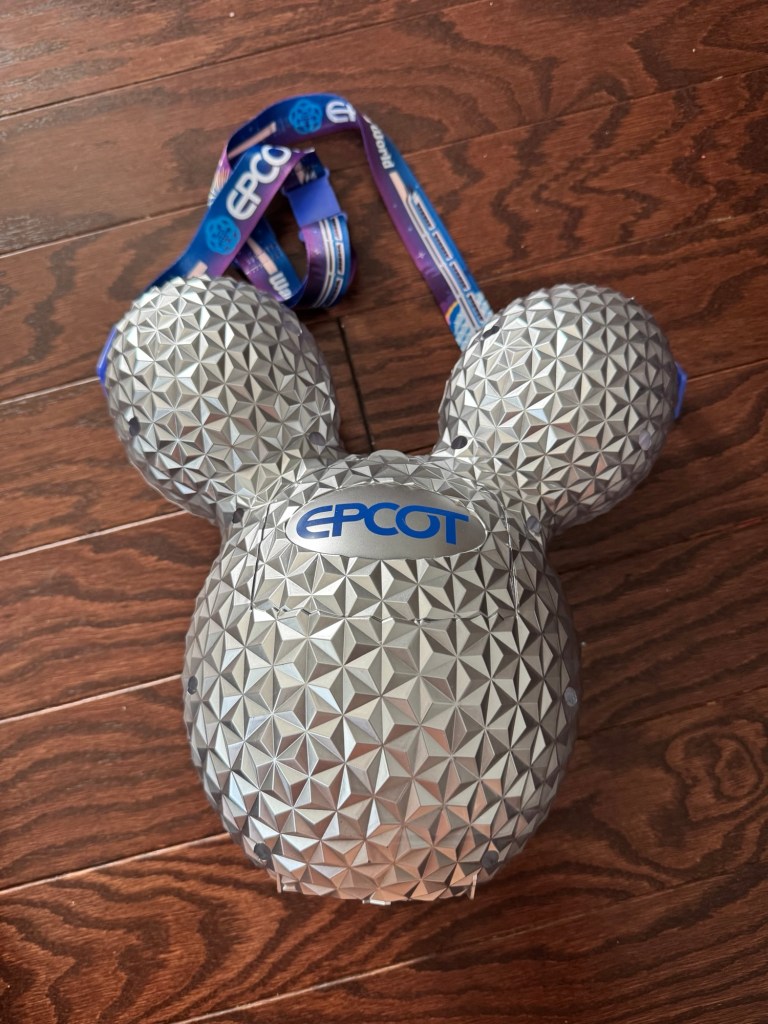
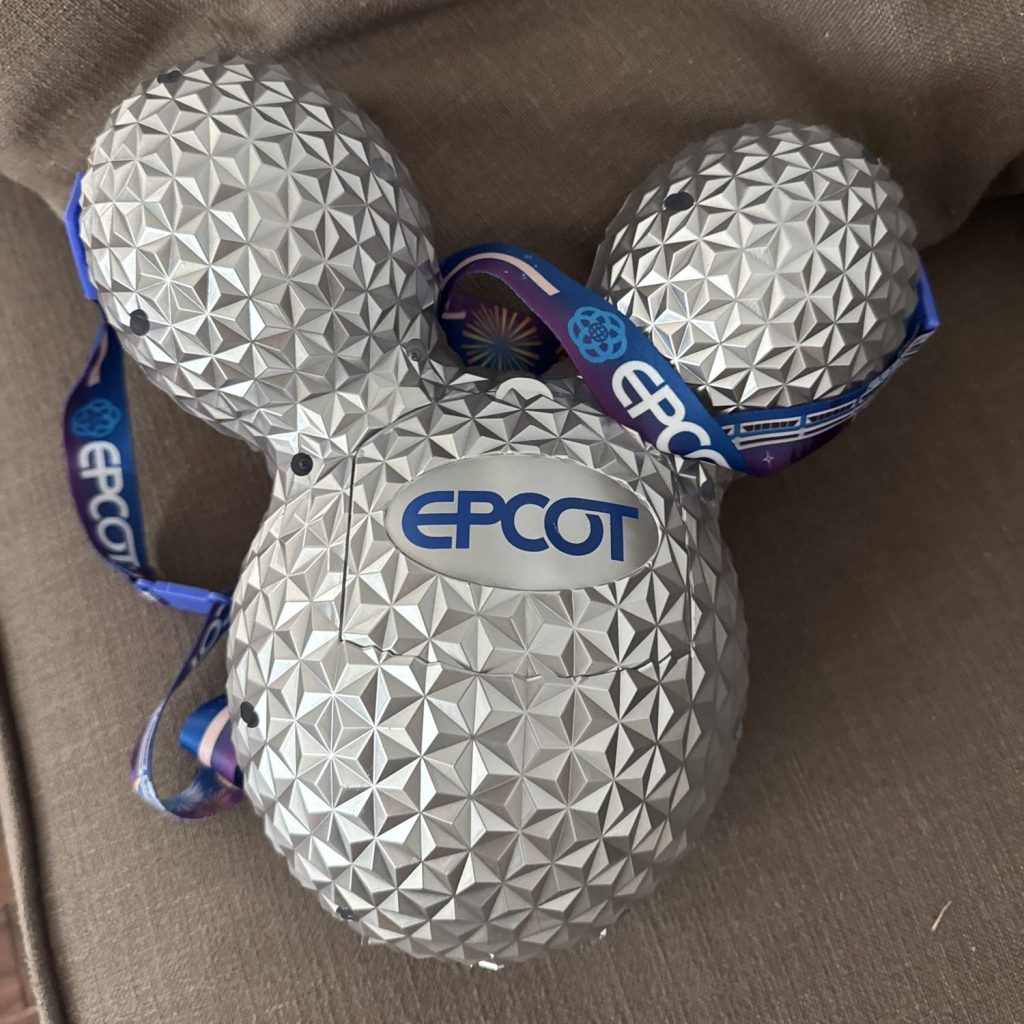
Popcorn buckets at Disney are a big deal and a good deal. The themed buckets look great and are highly collectible, but are also useful as a refillable popcorn container in the parks at a reduced price. Some of the standard refillable buckets are simple cylinders with printed graphics, but the premium refillable buckets border on works of art with some containing electronics and lights. There have been some amazing ones recently, with the popcorn bucket featuring the Imagination Pavilion and Figment from the 2024 EPCOT International Festival of the Arts getting a ton of buzz. However, the one that caught my eye was Spaceship Earth Mickey Balloon popcorn bucket. It of course looks great, but I got to thinking, what if the actual Spaceship Earth was a popcorn bucket?
It would take 7,056,000,000 kernels of popped popcorn to fill Spaceship Earth, nearly a kernel of popped popcorn for nearly every man, woman and child on the planet! Keep reading for the fun math!

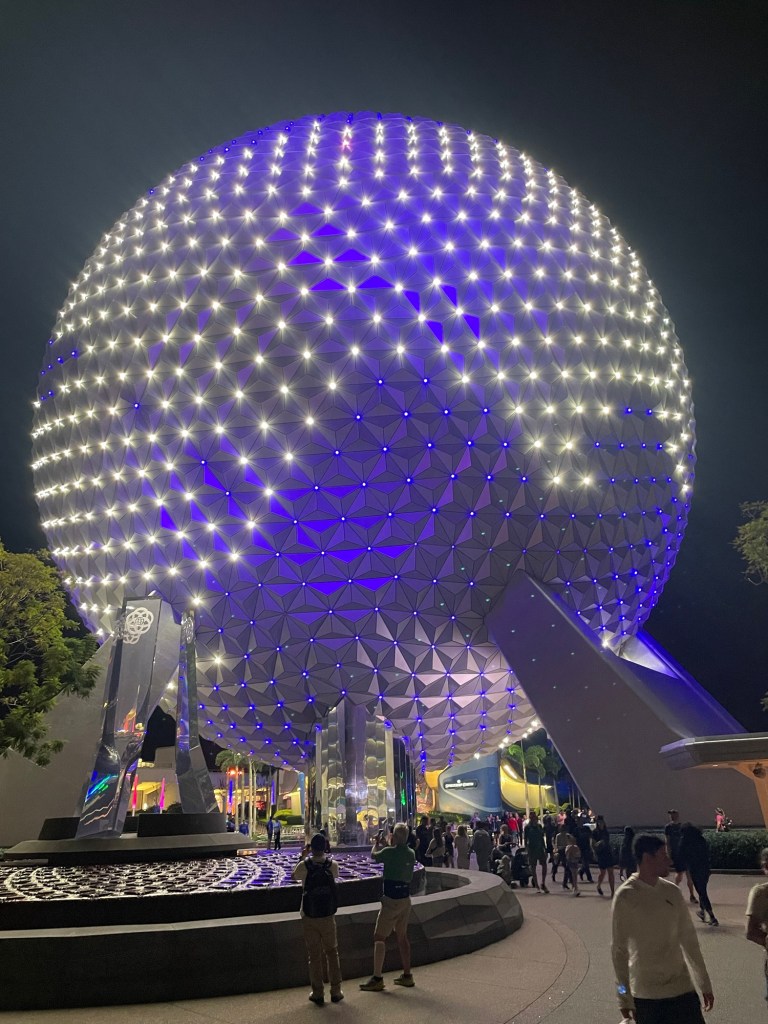
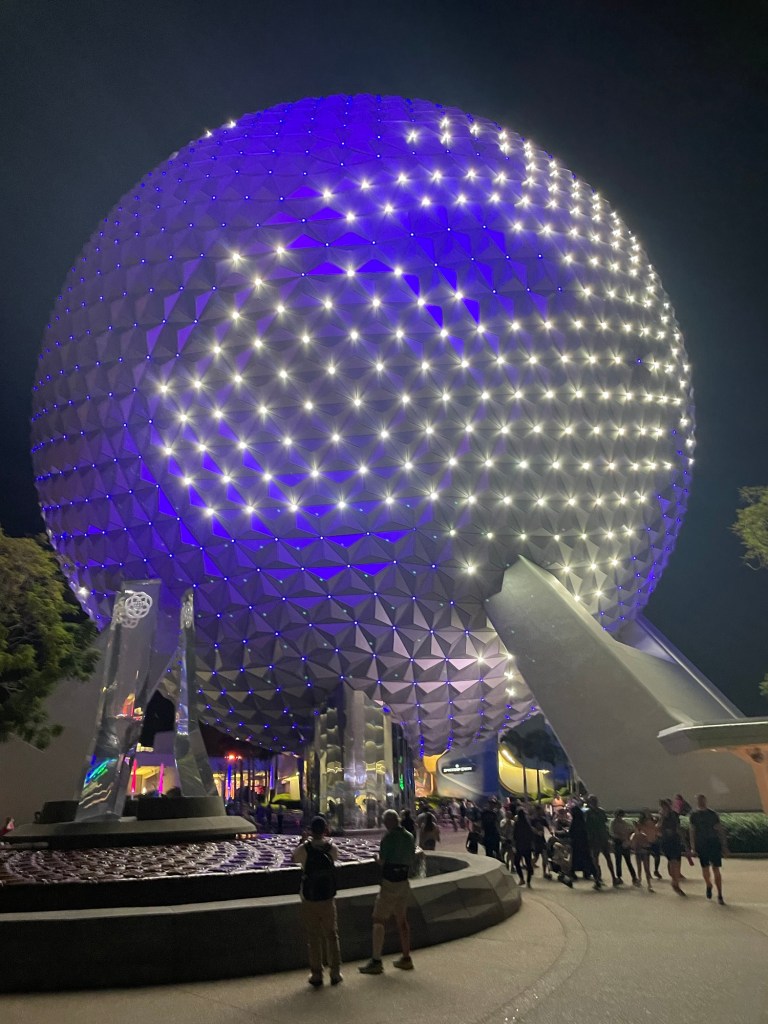
So here comes the math that will give us some fun trivia facts. The real Spaceship Earth is a geodesic structure with a diameter of 165 feet. It is not a perfect sphere, but we will assume for simplicity that it is. We’ll also just include the “ball” and not the legs or other attached structures. The formula for the volume of a sphere is:
V = 4/3 π r³ (volume of a sphere)
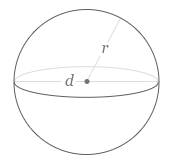
If we divide the diameter in two to get the radius of 82.5 feet then the volume of Spaceship Earth is 2,352,071 feet3 meaning the structure encloses a volume of roughly 2,352,000 cubic feet. Spaceship Earth is the largest structure like this in the United States, but if you like trivia, the Biosphere in Montreal, Canada is actually a larger geodesic enclosure with a 250 foot diameter and a volume of over 8,000,000 cubic feet!
2,352,000 cubic feet (Volume of Spaceship Earth)
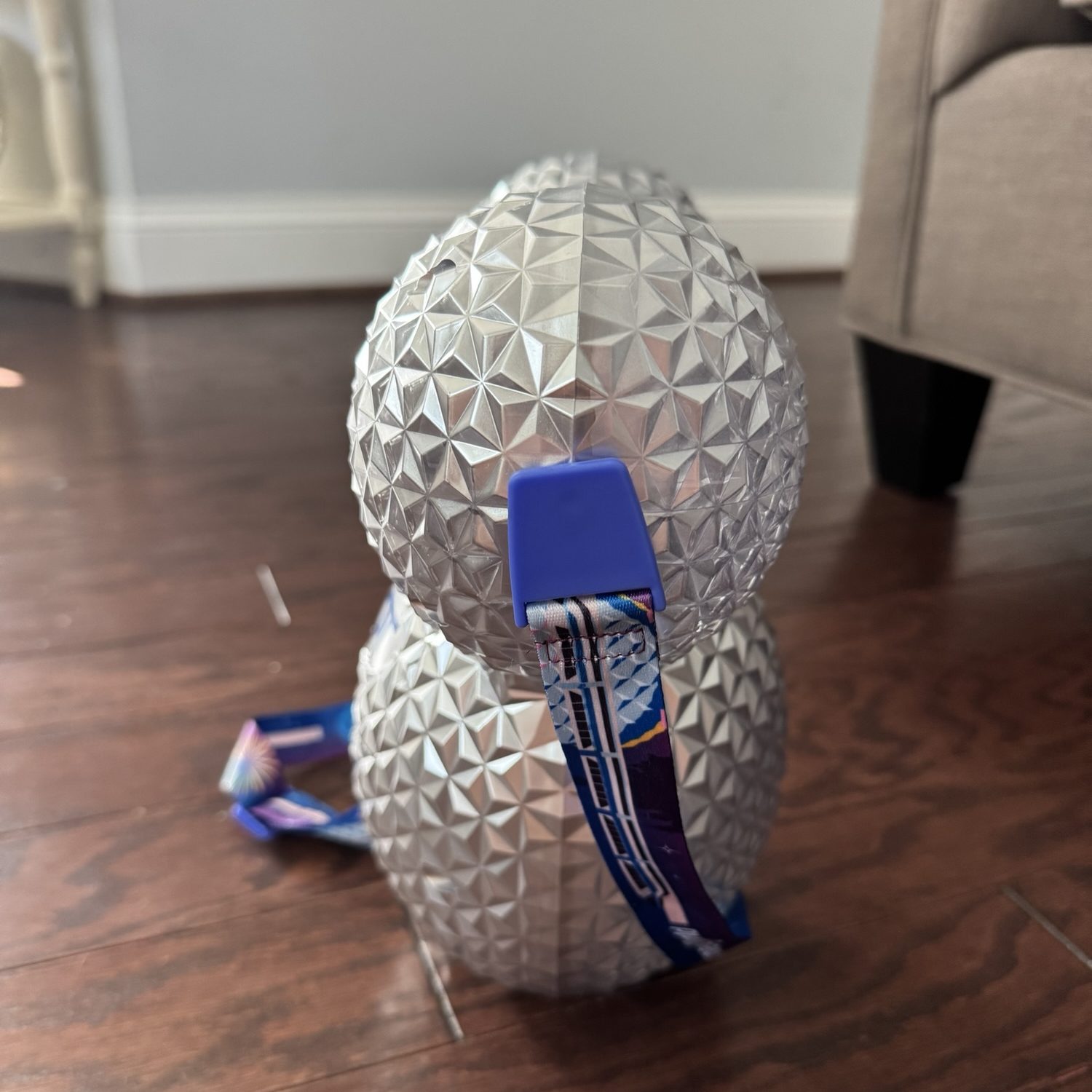
The popcorn bucket is “balloon” shaped and not a perfect sphere (it’s more of a flattened ball). The bucket also has “ear” volume in addition to the head. The exact volume could be determined using the same experimental method Archimedes first used to determine the volume of sphere by submerging it in water and seeing the volume of water it displaced. However, I’m not going to potentially ruin someone’s beautiful bucket to do that (thanks to Karol Brinkley for the popcorn bucket pictures in this article). So instead we’ll look to use math. If you look at the bucket it is most similar to an ellipsoid. The formula for the volume of an ellipsoid is:
V = 4/3 π a b c (volume of an ellipsoid)
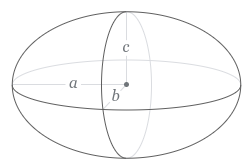
The overall bucket is approximately 10″ x 10″ x 12″, but we’ll focus just on the “ball” and neglect the ears as there’s some unusable space and electronics. The measurements for this formula in feet (dividing the lengths by 2 to get the radius and again by 12 to convert from inches to feet) are a=0.375, b=0.25 and c=0.25. Therefore we calculate the usable volume of the popcorn bucket is 0.098 feet3 or roughly 0.1 cubic feet per bucket. There’s a bunch of approximation here, but this is fun, not a calculation for a real spaceship!
0.1 cubic feet (Volume of Spaceship Earth Mickey Balloon popcorn bucket)
Now that we have these basic calculations done, the fun can begin! The first obvious calculation is how many popcorn Spaceship Earth buckets full of popcorn would it take to fill the real Spaceship Earth? This is as simple as dividing the real Spaceship Earth volume by the popcorn bucket volume. If you do this you get
23,520,000 (Number of Spaceship Earth Mickey Balloon popcorn buckets to fill Spaceship Earth)
As a side fun calculation lets figure what it would cost you at Disney popcorn prices to fill Spaceship Earth? We’ll do this under the MOST optimistic and economic circumstances with one of their large cylindrical refill buckets. The volume of a cylinder is:
V = π r² h (volume of a cylinder)
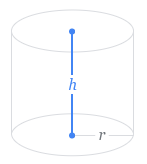
These buckets vary a quarter inch or so, but a good average is 6 inches in diameter and 7.5 inches wide. Therefor the volume is about 0.123 cubic feet. If we divide Spaceship Earth’s volume by the popcorn bucket volume again we get 19,121,951 refill buckets required. Currently a refill of these buckets will cost you $2.25, so if we multiply these together we get a cost of $43,024,390, actually cheaper than I expected!
$43,024,390 (Cost to fill Spaceship Earth with popcorn at Disney popcorn refill prices)
The next fun calculation is how many kernels of corn would be in each bucket? This was the least straightforward calculation of the bunch as popping popcorn is filled with fascinating science. If you go to popcorn.org which is the website of The Popcorn Board, an industry group made up of popcorn companies, you’ll find tons of fun facts. A Popcorn kernel contains ideally 13.5% water surrounded by soft starch and a hard external shell. As the water is heated and expands the pressure builds until the temperature reaches about 347 degrees and the pressure in the kernel reaches about 135 pounds per square inch (remember water can reach temperatures above boiling at pressures above atmospheric pressure). At this point the kernel explodes and the steam inside the kernel is released. This inflates the soft starch inside the popcorn and spills out of the shell, but cools and solidifies almost immediately into the shape we know as “popped” popcorn. Popcorn “pops” on average 40-50x it’s original volume.

However, there are many factors that go into the final popped volume of popcorn. It turns out there are academic papers about popcorn popping volume! In fact the final volume of popped kernels is based upon kernel size, genotype and popping method. There are also variations in the number of unpopped kernels (UPK) you can expect under each of these circumstances. Below is one sample graph from a 1991 study on popping volume.
For the purposes of our calculations here we will use the average data from popcorn.org for our calculations rather than discerning Disney’s popping method, kernel size and genotype of popcorn. In this case 1 oz of popcorn (1/8 cup or 2 tablespoons) pops into roughly 1 quart of “popped” popcorn.
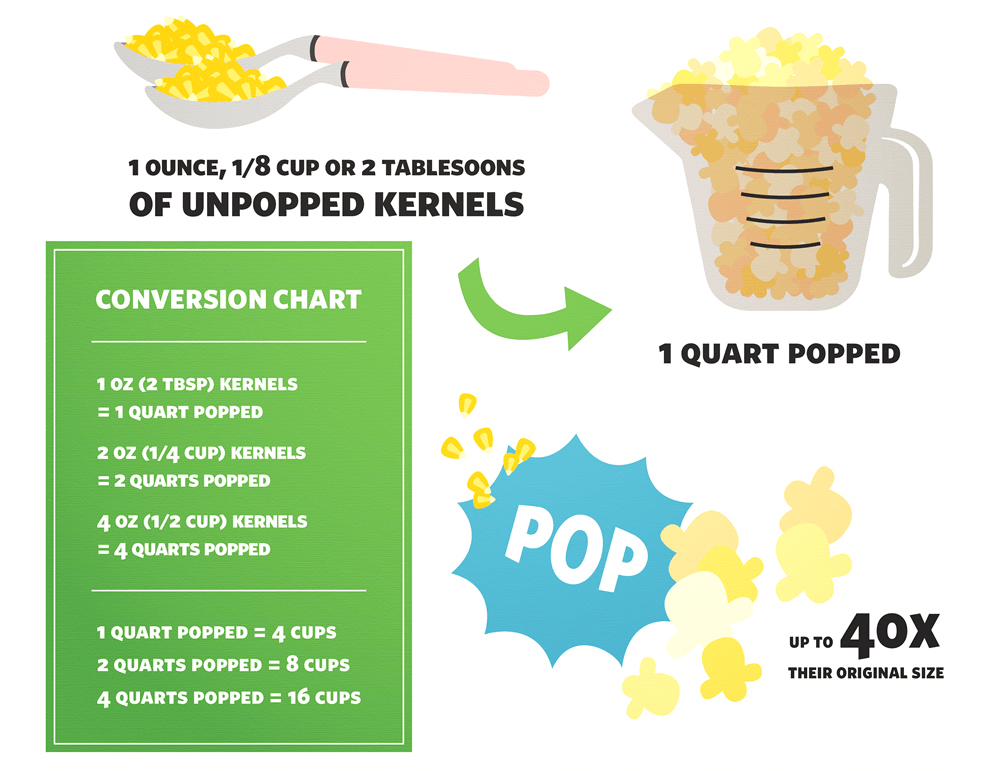
A quart is roughly 0.033 cubic feet so this means there are approximately 30 quarts in cubic foot. The number of unpopped kernels in 2 tablespoons is roughly 100 (same as a popped quart) so therefore there are approximately 3,000 kernels in a cubic foot. Therefore by using a little multiplication with the volume of each container we can get the number of kernels in the popcorn bucket and the real Spaceship Earth!
300 Popped kernels of corn in Spaceship Earth Mickey Balloon popcorn bucket
7,056,000,000 Popped kernels of corn in Spaceship Earth
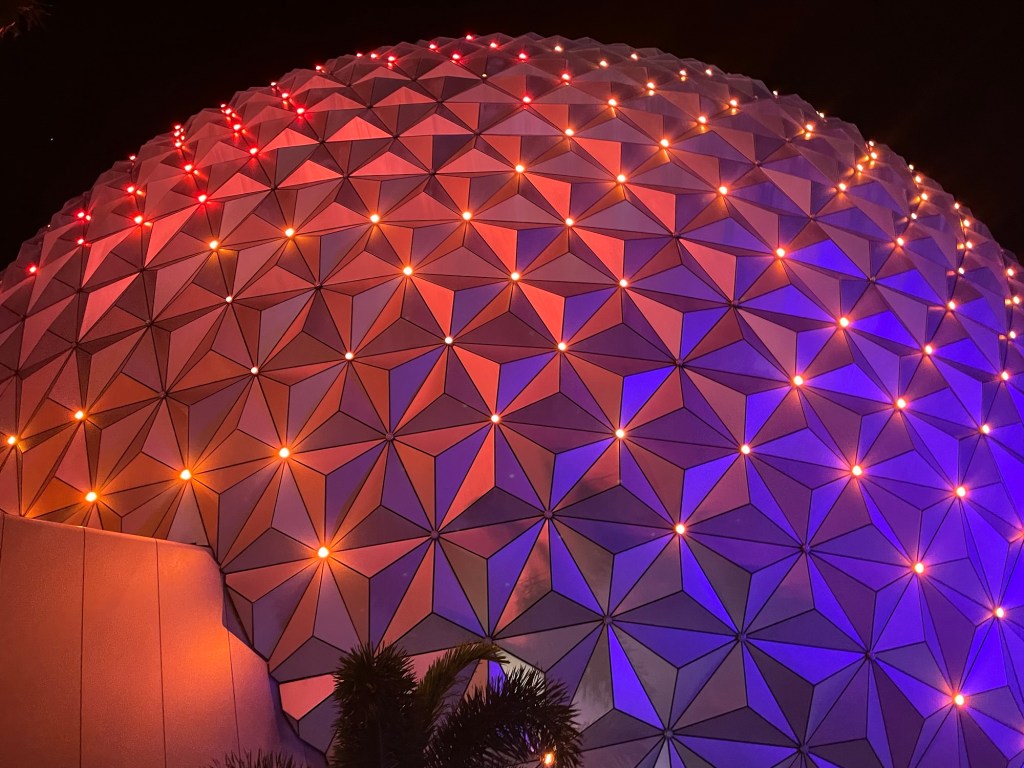
Popcorn is delicious and Disney popcorn buckets are fun. It’s great that Disney comes up with these highly creative buckets that are both collectible, fun and functional. Popcorn and theme parks go together as it’s one of the iconic foods associated with the experience. Hopefully this little thought exercise taught you a little about math and a few fun facts about popcorn! EPCOT is home to the World Showcase and with the World population hovering near 8 billion it is amazing to think that Spaceship could hold a kernel of popped popcorn for nearly every man, woman and child on the planet! Right now Spaceship Earth is closed for refurbishment, but should reopen in late 2025, no word on if they’re filling it with popcorn.
 BGT Safari
Pingback: The Fascinating World of Disney Balloons | BGT Safari