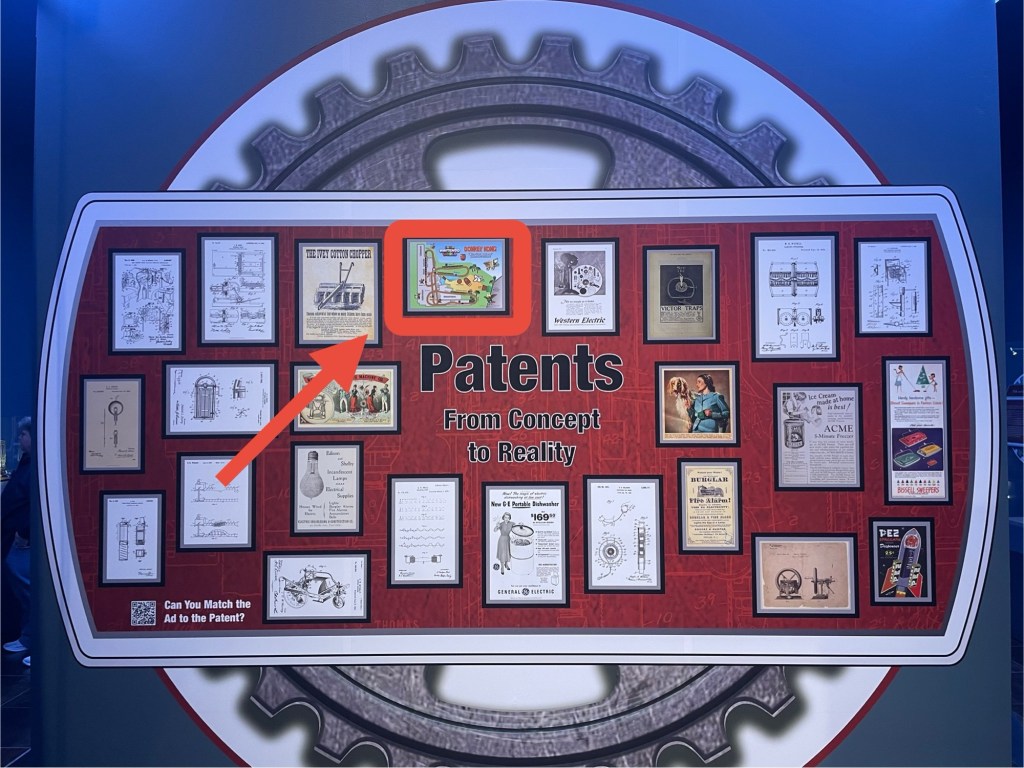
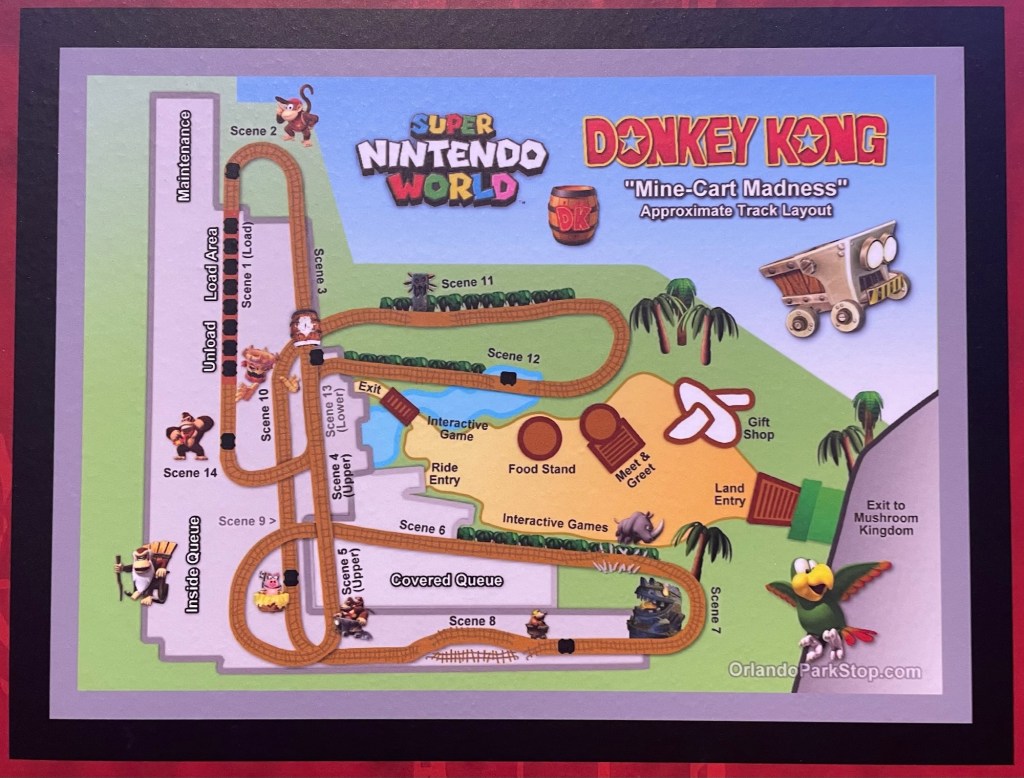
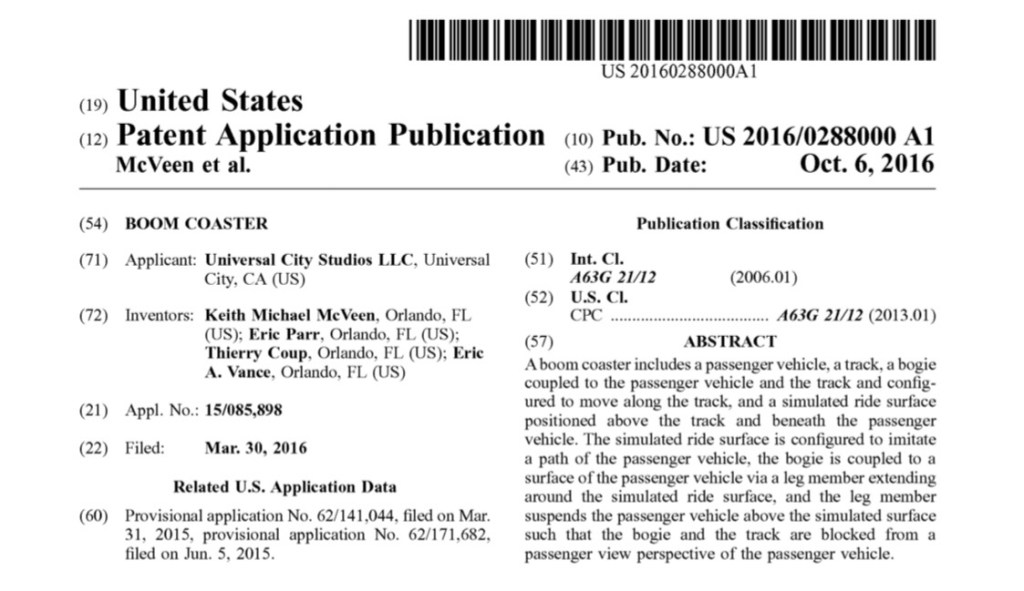
I was walking through Tellus Science Museum in Cartersville, Georgia and they had a great display about patents that actually highlighted the patent on the Donkey Kong Mine-Cart Madness ride. This roller coaster has a unique design with hidden lower vertical track and a “boom” arm to create the illusion of jumps, movement over rough terrain and fast track switches. However, Universal is far from the only company to protect their work with parents as with a quick search you will find patents from companies like RMC, Disney and many more.
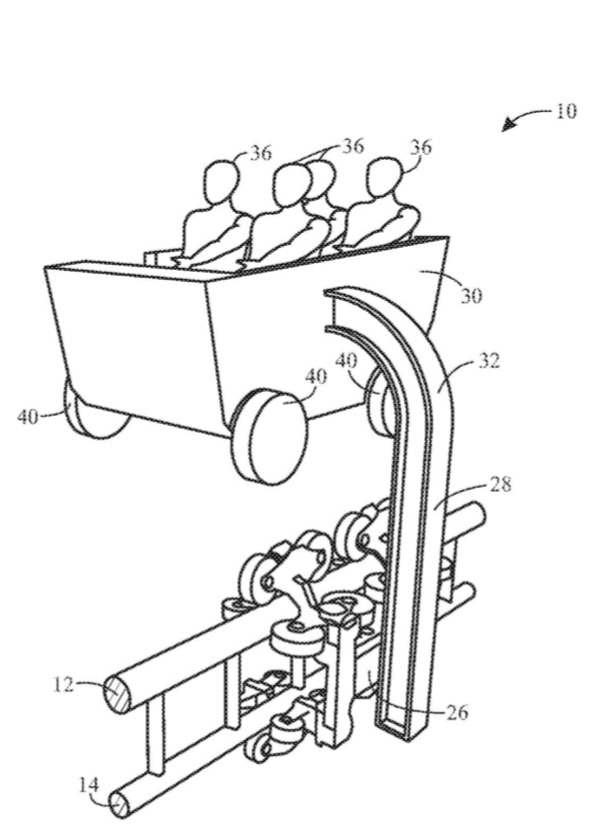
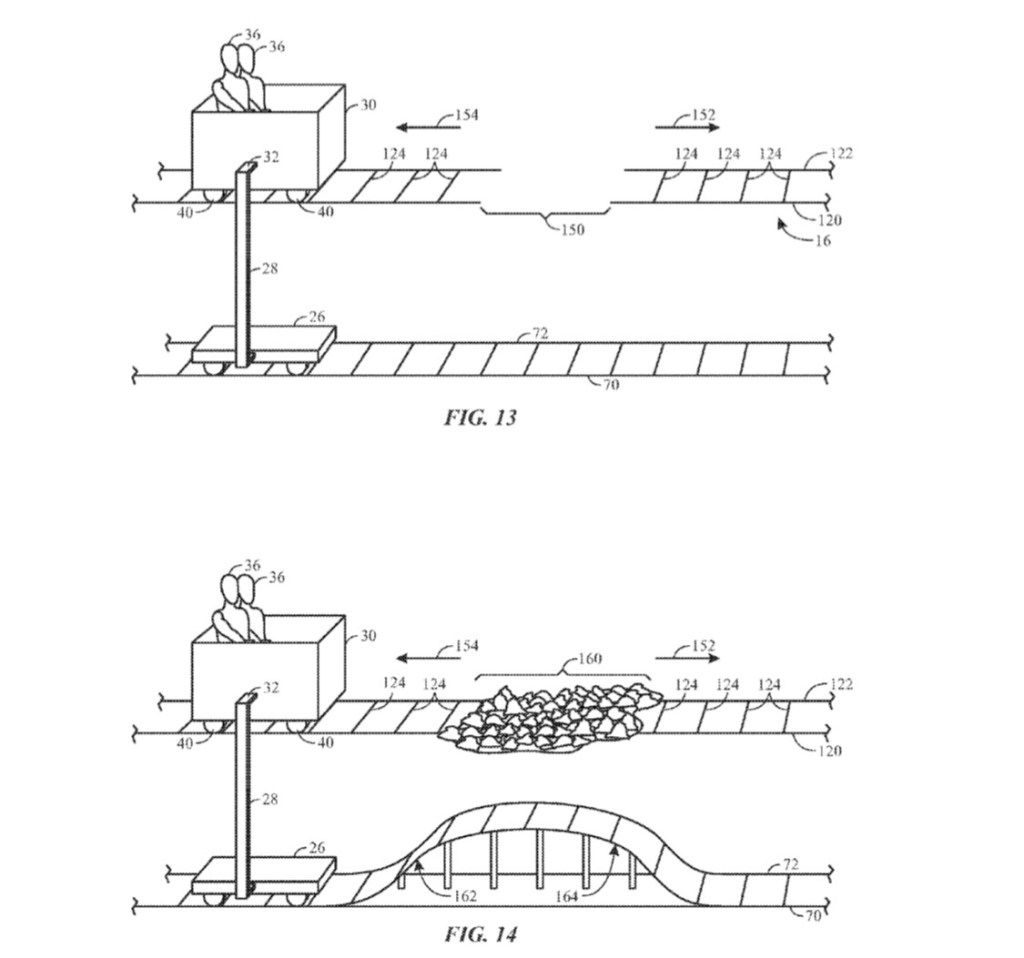
Why do companies patent? The main reason would be to protect their investment in R&D. In a competitive landscape a company might have limited incentive to develop new concepts if a competitor could immediately copy it. With a patent a company gains 15 -20 years of protection for a new design. There are still foreign knock-offs, and similar, but not quite infringing designs, however with a patent you at least have options should these arise. Patent disputes are not super common in coaster world, but there is a lawsuit right now between Vekoma and B&M over the Pipeline “surf coaster” at SeaWorld Orlando.
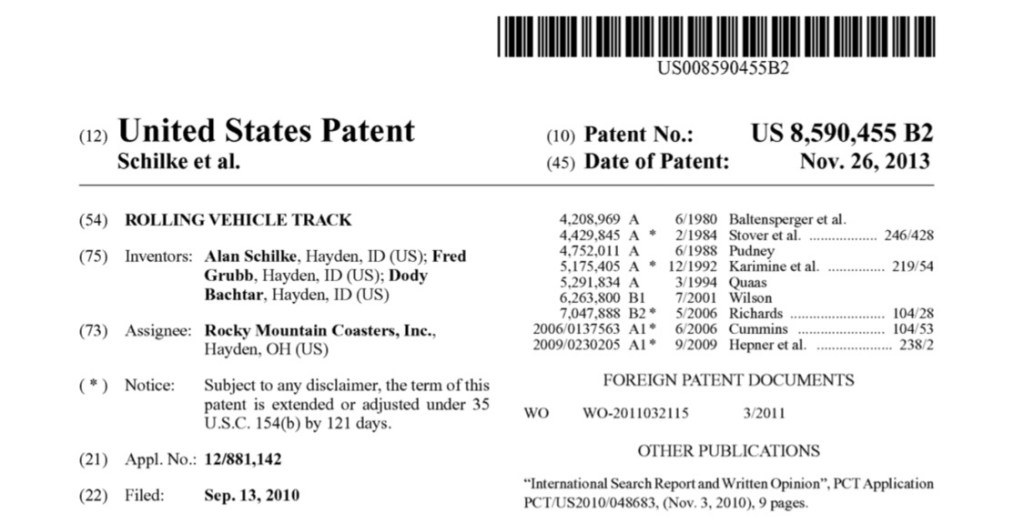
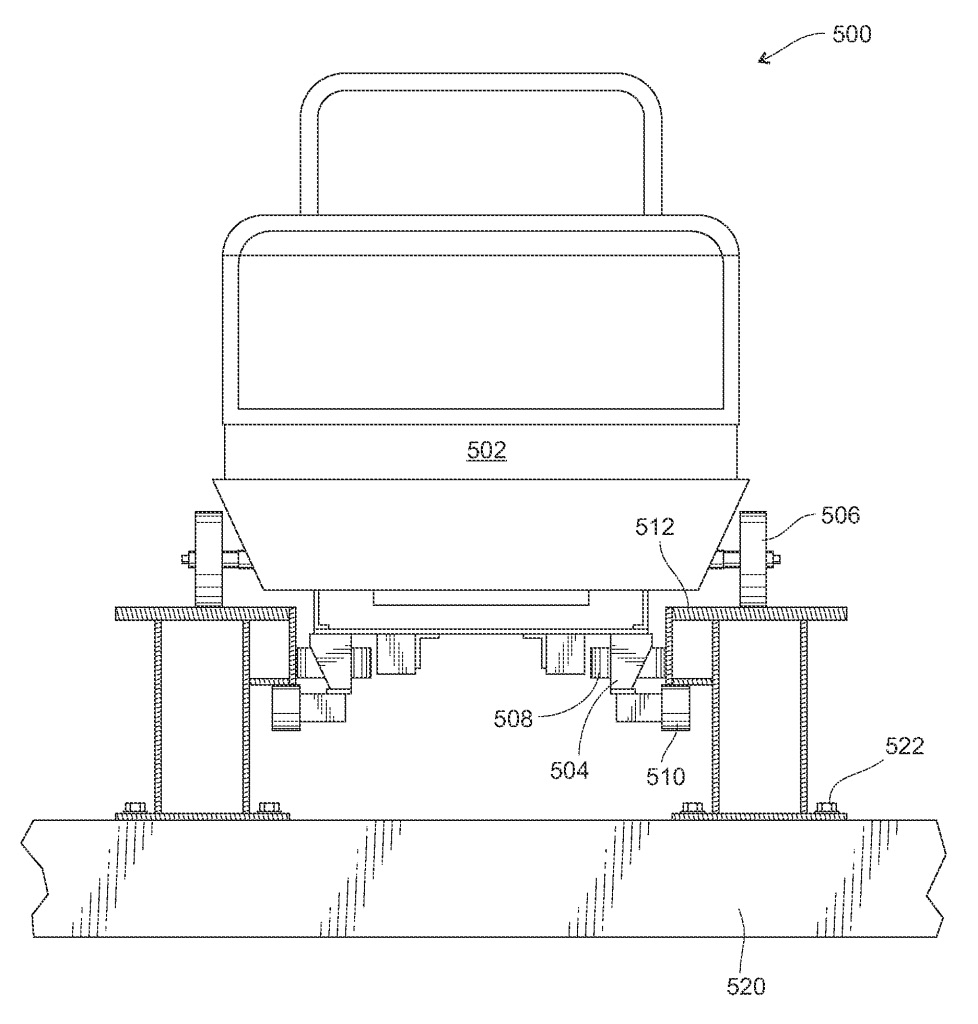
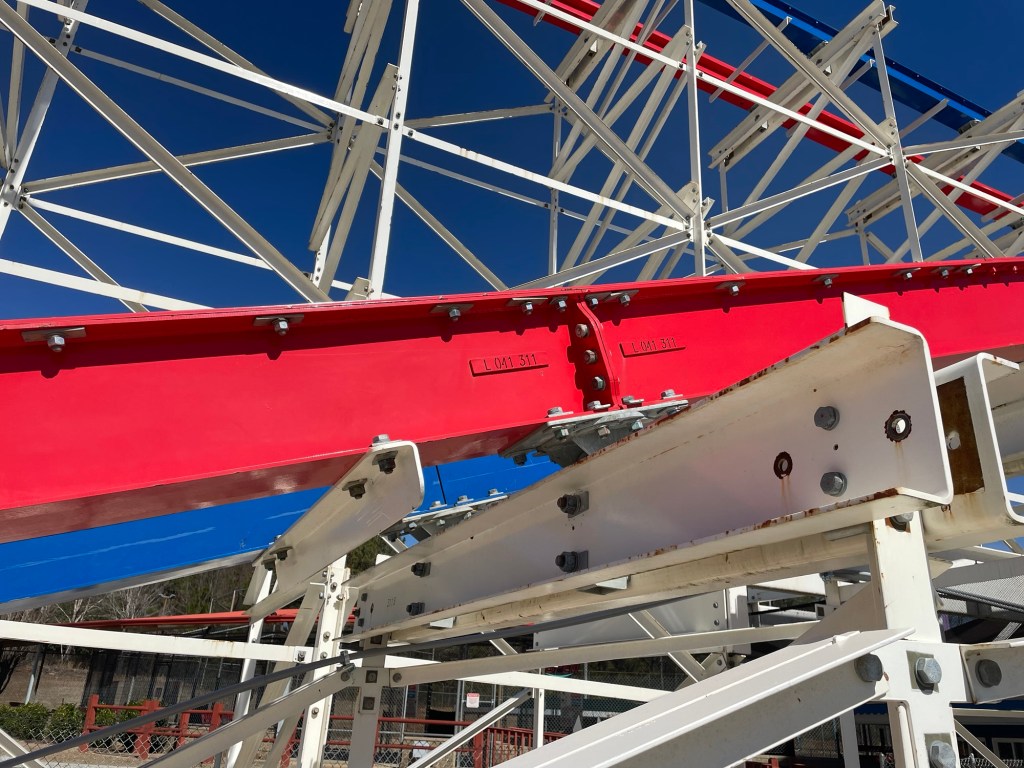
RMC is another company who has a good number of roller coaster patents. Coaster buffs will notice names of famous designers like Alan Schilke on many of the patents. One of the neat patents from RMC is the one for their revolutionary “I-Box” track. This track allowed wooden coasters to do turns and inversions not normally part of these rides in a similar way to tubular steel roller coaster track.
A method of fabricating an amusement park ride track utilizing stock, planar materials, namely comprising of creating elongated, curved structures from planar materials. A roller coaster track capable of being fabricated from multiple planar pieces without heating or bending.
Patents are an important part of theme park technology development today to give companies confidence in spending millions in research and development. They are a great place to learn about coaster technology and can also give a sneak peak into upcoming rides and technology (for example the “boom” coaster patent is from back in 2016). For example much of the early information on Epic Universe was gained from Universal patents from great sites like Orlando ParkStop years ago. If you’re curious about theme park technology or want to keep tabs on the theme park technology of tomorrow head to a patent search site and see what you can find!
 BGT Safari