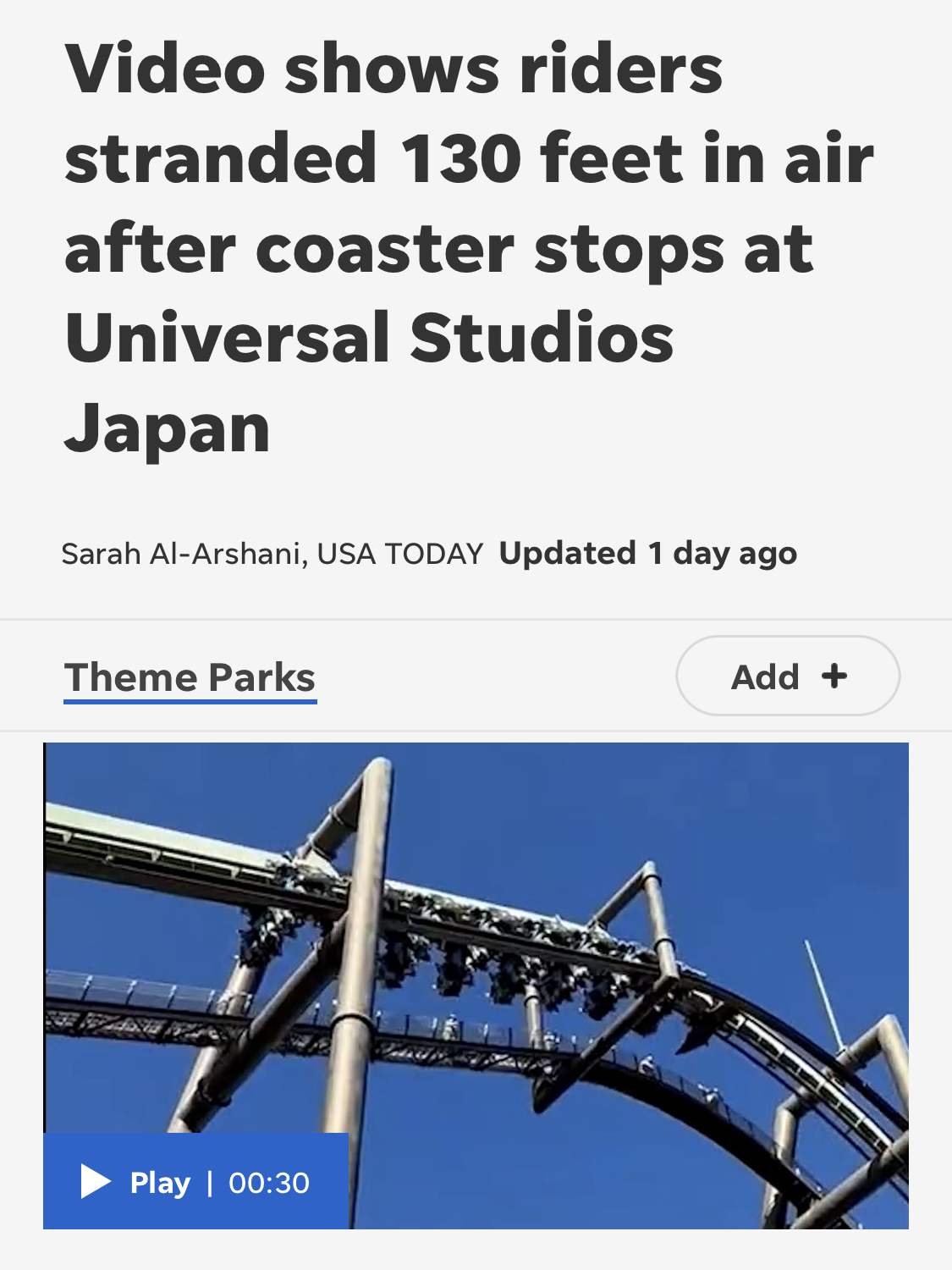
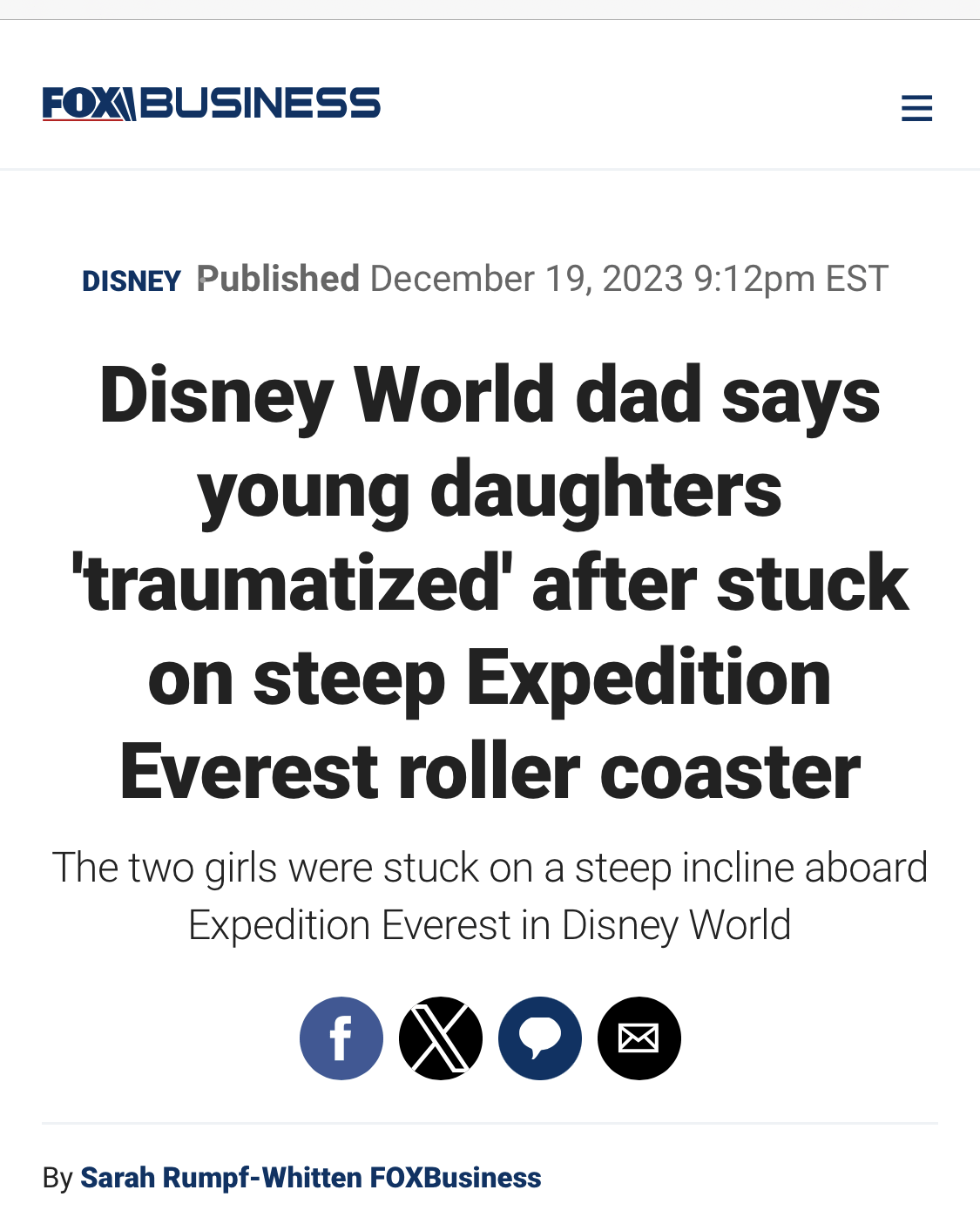
Unfortunately theme park accidents do happen, however rare, and people are injured or even killed. However, there seems to be a trend now with the news media of showing roller coasters stopped on lift hills and acting like it’s some huge lapse in safety. I’d argue it’s actually just the reverse, it’s safety measures working just as they were intended. Getting stuck 200 feet up on a lift hill for 30 minutes may be disconcerting for some, but in most cases the riders are in no danger and there’s no mechanical issue. Instead, it’s often something like a tripped sensor (the equivalent of the check engine light in your car) that must be checked and cleared before the ride can proceed.
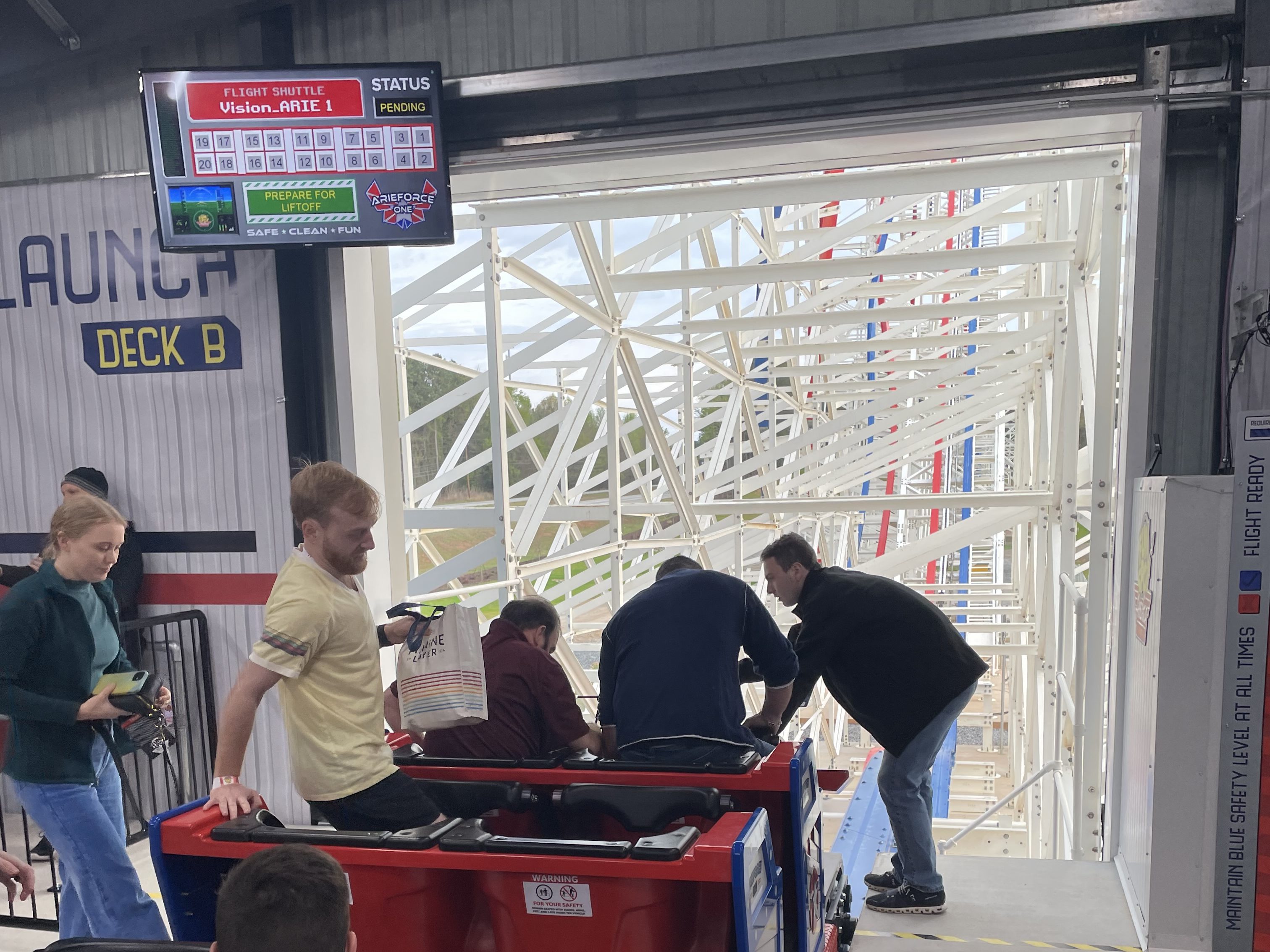
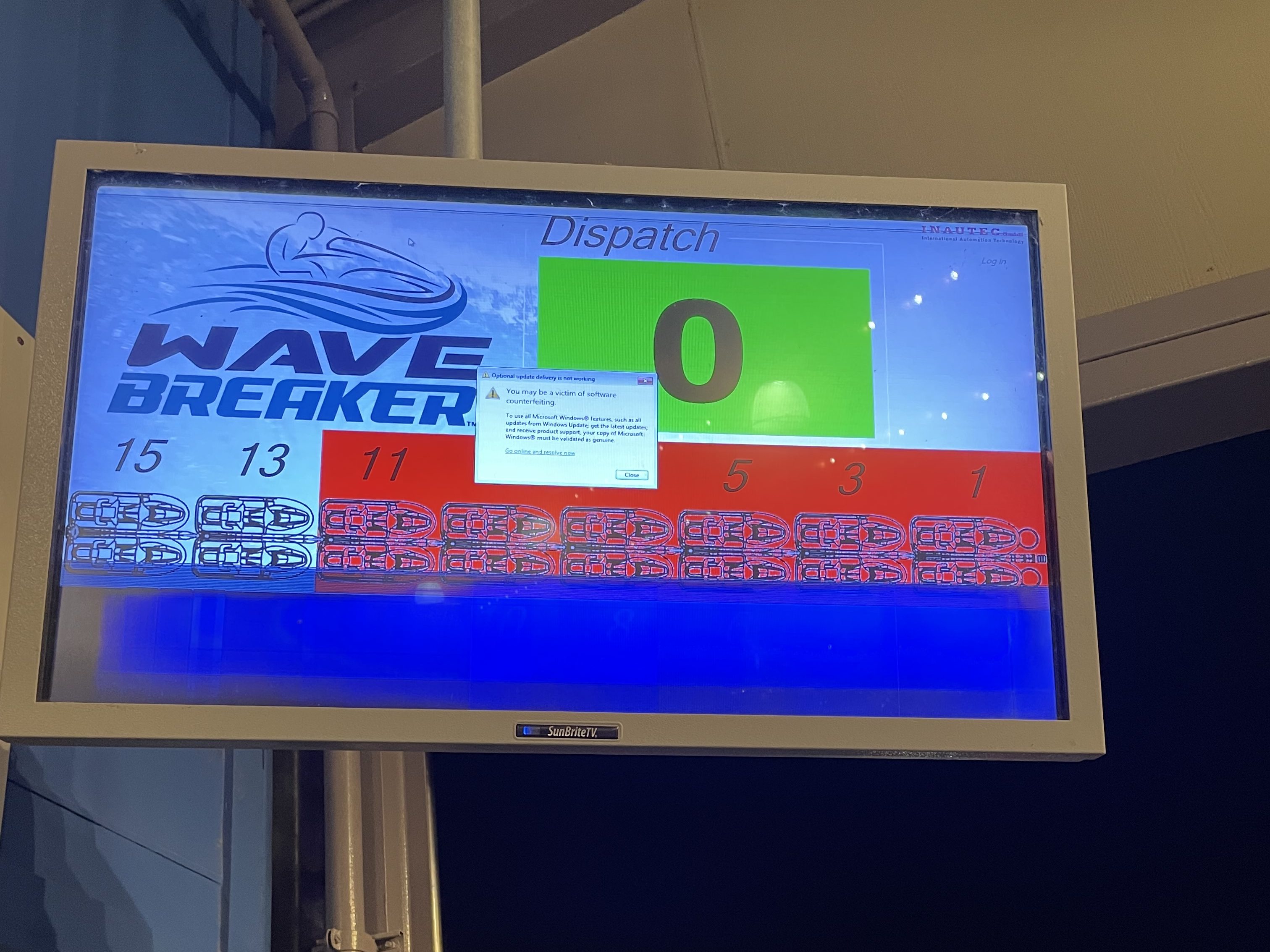
A modern roller coaster is run by a PLC which stands for Programmable Logic Controller. These computerized systems take in information from the hundreds of sensors across a ride while also giving commands to the various mechanical components on the ride. A PLC, for example, is what may prevent a ride from starting or dispatching if a sensor detects that an exit gate isn’t completely closed or locked. These are complex systems with people who dedicate careers to designing and programming them and modern rides are filled with more sensors than ever. There can be sensors for air gates, exit gates, seat belts, restraints, wind, temperature, switch track position, train position and so many more. You may have seen screens like the ones below top left that show operators of RMC coasters when a restraint is properly engaged so that the ride can dispatch. Sometimes there can be errors though like the one on the screen for SeaWorld San Antonio’s Wave Breaker. With all the sensors on a modern ride a “false alarm” is bound to happen once and a while.
I’ve heard crazy stories of a ride performing a safety stop due to a track position sensor being triggered by a bird landing in front of it and the PLC thinking it was a train. I’ve also been in line for Iron Gwazi and seen the whole ride shut down because someone leaned too hard against an air gate and triggered a sensor. In this case the maintenance had to be called and the whole system had to be rebooted, which took about 20 minutes before the train could be loaded and leave the station. Now here’s where it gets interesting, what if the coaster is running multiple trains? With a train “stuck” in the station for 20 minutes this means another train or two is “stuck” somewhere else and this could be on a brake run or the lift hill for 20 minutes. Nothing is technically wrong or broken, just someone not listening to the numerous announcements not to lean on the air gates. There’s nothing the park can really safely do in this case other than wait for the fault to be cleared and then let the trains proceed. However, you could see how some pictures/video on social media could turn this into “people stuck 100 feet high on roller coaster” or some other catchy clickbait headline.
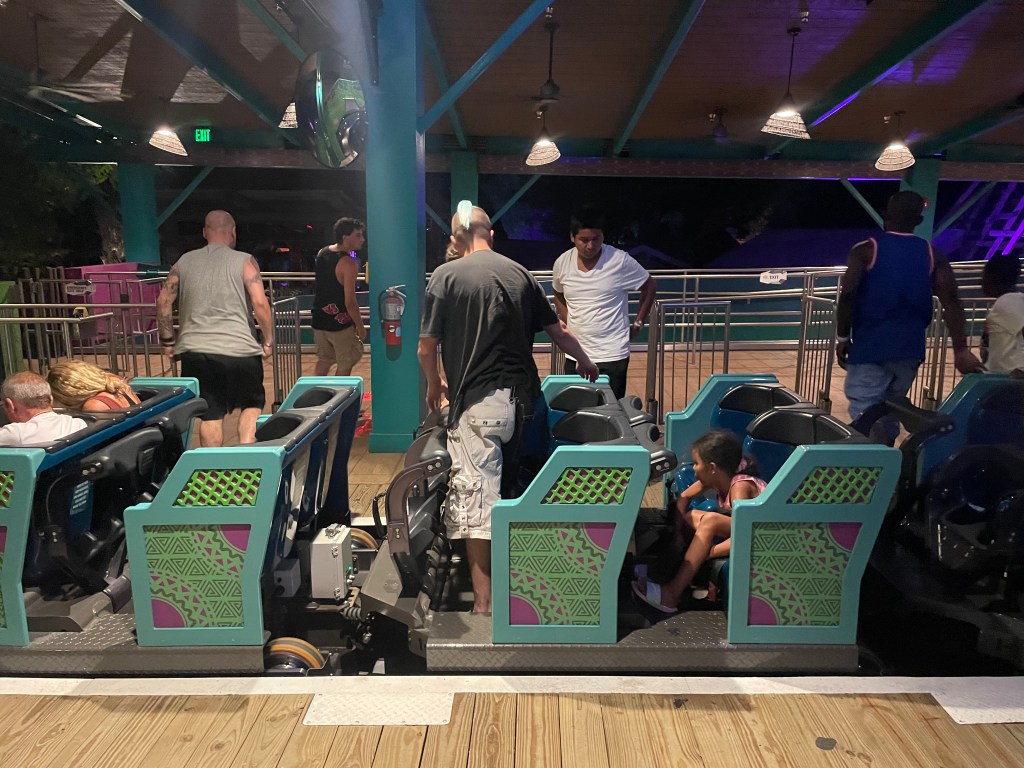
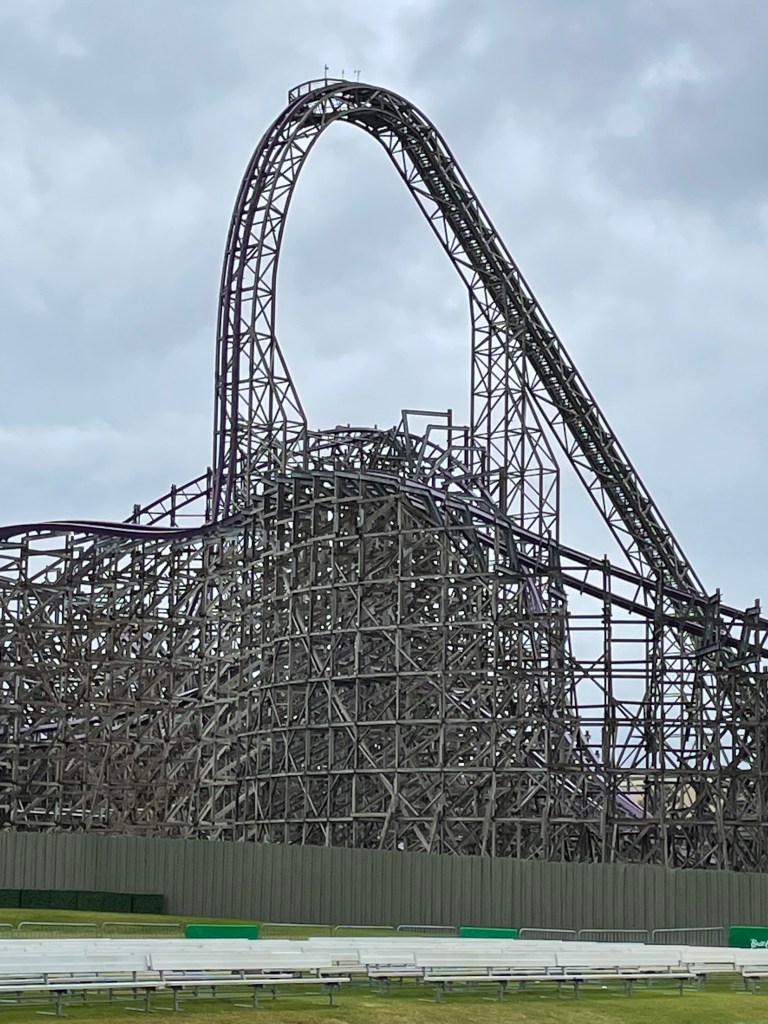
In many newer rides these sensors and PLC systems are critical. Rides like Pantheon at Busch Gardens Williamsburg or FireChaser Express at Dollywood that use switch track depend on these sensors to know the track is in the proper position before allowing the train to proceed. Rides with launches also depend on them for positioning, speed and weight information so that the correct forces are applied at the proper time. A PLC can also e-stop a ride faster than a human which could be important should a gate be opened on a swing launch coaster or something like a Boomerang which goes through its station at a high rate of speed. They’re also what make things like a “tilt” coaster even a possibility where the circuit is literally broken until the track movement is complete. Without these systems we’d likely be left with more simplistic layouts with single train service.
I’m thankful for the sensors and PLC systems in today’s modern coasters. They allow us safer rides that can be bigger, faster and run more trains (higher capacity) than would be possible without them. They may experience some downtime or have a safety stop along the course once and while due to an erroneous reading from a sensor, but it sure beats the alternative.
 BGT Safari
Pingback: Don’t Take Your Phone on Roller Coasters. You too Mark Rober! | BGT Safari